REVIEW · GRANADA
4 neighborhoods 4 cultures. Half day private tour in Granada
Book on Viator →Operated by Andalucía 360 · Bookable on Viator
Granada’s layers get sorted fast. In just four hours, this private tour strings together the neighborhoods that shaped the city’s look, faiths, and daily life, with a few major viewpoints that do most of the heavy lifting for your photos. You’ll hop between 4 cultures and see how the streets change as the centuries do.
I especially like two things. First, the pacing is flexible for a private group, so you’re not stuck marching like you’re on a bus schedule. Second, the tour builds a clear mental map: Andalusian Granada, Christian monuments you view from outside, and the older Jewish and flamenco-era neighborhoods that most visitors miss unless someone points the way.
One consideration: this is a walking tour on cobbled streets, and the route isn’t adapted for reduced mobility or for hearing/visual impairment. If you’re traveling with small kids, it’s also not recommended for children under 7.
In This Review
- Key points before you go
- How this half-day private tour actually helps you see Granada
- Starting at Plaza de Bib-Rambla, ending by the Alhambra footpath
- Granada’s core and the idea of 4 cultures
- Albaicín: al-Andalus in alleyways, squares, and viewpoints
- Mirador de San Nicolás: the quick stop that pays off big
- Museo Casa de Los Tiros: a Renaissance courtyard you can actually visualize
- Realejo-San Matías and La Madraza: layers most people miss
- Casa Museo Max Moreau and Granada’s Carmen-style homes
- Cathedral and Royal Chapel exteriors: what you will and won’t go inside
- Sacromonte: flamenco roots, white caves, and big viewpoint energy
- Tea and sweets with Alhambra views: the best kind of break
- Price and value: what $179.44 gets you in real terms
- Who should book this Granada private tour (and who might prefer another option)
- Tips to make the 4-hour walk easier on your body
- Should you book this tour?
- FAQ
- How long is the Granada half-day private tour?
- What time does the tour start, and where do we meet?
- Is this tour private?
- Are we visiting the inside of the Cathedral and Royal Chapel?
- What’s included in the tour?
- What happens if weather is bad?
Key points before you go
- Private, English-guided, 4 hours so the pace can fit your group instead of fixed crowds.
- Alhambra-area finish at Paseo de los Tristes, making it easy to keep the sightseeing going.
- Albaicín + Mirador de San Nicolás for classic viewpoints and alleyway atmosphere.
- Sacromonte with white caves tied to flamenco’s roots and the neighborhood’s story.
- Carmen-style home visits (Casa Museo Max Moreau) that show everyday Granada, not just monuments.
- Tea and sweets with Alhambra views, a nice reset during the walk.
How this half-day private tour actually helps you see Granada
Granada can feel like a pile of famous stops—then you step onto the wrong street and suddenly you’re lost in the maze. This tour is useful because it connects the dots between neighborhoods, not just because it hits a list of sights.
In four hours, you get a guided “view” of the city: Andalusian-era influence in places like Albaicín, Christian Spain visible through major exteriors (Cathedral and Royal Chapel from outside), and the older communities that shaped the city’s identity. It’s a strong way to get your bearings quickly, especially if it’s your first day.
The tour also leans practical. You’ll walk enough to feel like you left your hotel, but not so long that the day disappears. And it ends where many people want to be anyway: at the foot of the Alhambra area on Paseo de los Tristes.
You can also read our reviews of more private tours in Granada


Starting at Plaza de Bib-Rambla, ending by the Alhambra footpath
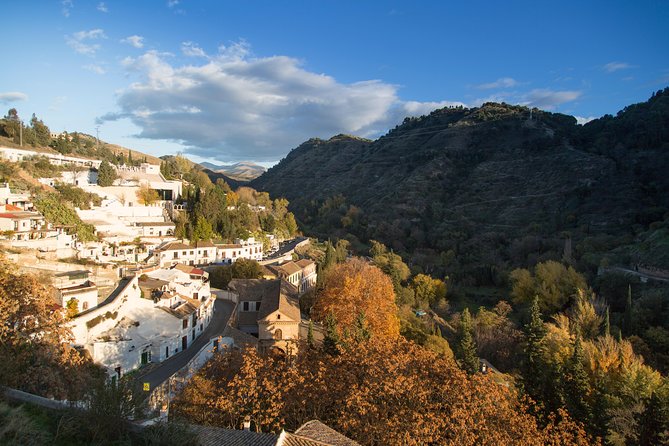
Your morning starts at Fuente de los Gigantones in Pl. de Bib-Rambla (near central Granada). That’s a good place to meet because it keeps you close to transit and the city core, so you’re not spending the first hour figuring out how to reach a far-off pickup point.
The finish is thoughtful: you end at Paseo de los Tristes in the Albaicín area, right at the foot of the Alhambra. That’s convenient if you’re planning to return for Alhambra time later, because you can transition directly into an evening stroll and keep the light in your favor.
Because it’s private, your guide can adjust small timing issues like slow foot traffic in viewpoints or bathroom breaks. That matters on cobblestones, where a “quick stop” can turn into a slow negotiation with your own feet.
Granada’s core and the idea of 4 cultures
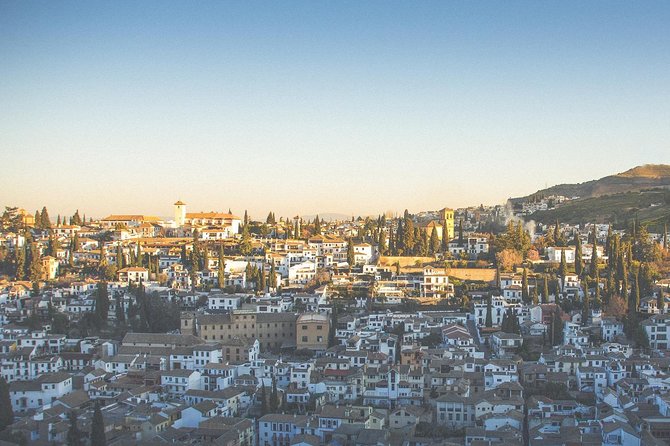
The first stop is Granada itself, framed as more than just the Alhambra. You’ll look at what the city became through Andalusian rule, then follow how Christian monuments and later layers changed the city’s character.
I like how this kind of orientation changes your next steps. Once you understand what the city looked like and what each community valued, you stop treating landmarks as random photo backdrops and start seeing them as part of the same story.
Also, the stops build toward viewpoints, so the walk doesn’t feel like a constant uphill grind. You’re moving for a reason, and when you finally pause, it feels earned.
Albaicín: al-Andalus in alleyways, squares, and viewpoints
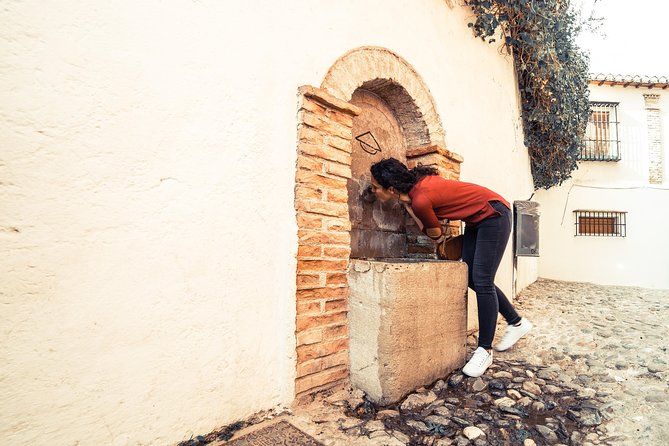
Albaicín is where Granada’s older identity feels closest. This is the neighborhood where the essence of al-Andalus comes through: alleyways that curve like they were designed to slow you down, small squares that act like social pauses, and lookout points that make the city feel theatrical.
A full hour here is just right. Long enough to wander without feeling rushed, but short enough that you don’t lose the thread of the day. You’ll also get a sense of how the neighborhood is built—how the streets and elevations shape where people gather and where you naturally stop.
One practical tip: if you know you get tired early, plan to take your time at crossings and narrow lanes. The tour isn’t trying to sprint; you’ll get value from calm pace and good footing.
Mirador de San Nicolás: the quick stop that pays off big
You’ll visit Mirador de San Nicolás, a famous viewpoint for a reason. Even with a short duration, a good guide makes this moment count by explaining what you’re looking at and why the viewpoint became a must.
This is also a photo-and-breathe stop. You’ll likely spot other lookout angles nearby during the broader walk, but San Nicolás is the anchor point that helps you frame Granada’s layout.
If you’re sensitive to crowds or don’t like shoulder-to-shoulder viewing, just know this is one of the well-known places. The tour timing and your guide’s way of moving can still make it feel manageable.




Museo Casa de Los Tiros: a Renaissance courtyard you can actually visualize
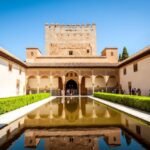
At Museo Casa de Los Tiros, you’ll see a typical Renaissance palace courtyard. This is a smart break in tone from the open viewpoints and street wandering. Instead of another hilltop pause, you get a more still, architectural moment.
Courtyards like this matter because they show domestic space—how people lived, not just what they conquered. Even if you’re mainly in Granada for grand monuments, a palace interior courtyard helps you understand the city’s everyday scale.
Time here is brief, so don’t expect a long museum session. Think of it as a snapshot that sets context for the rest of the walk.
Realejo-San Matías and La Madraza: layers most people miss
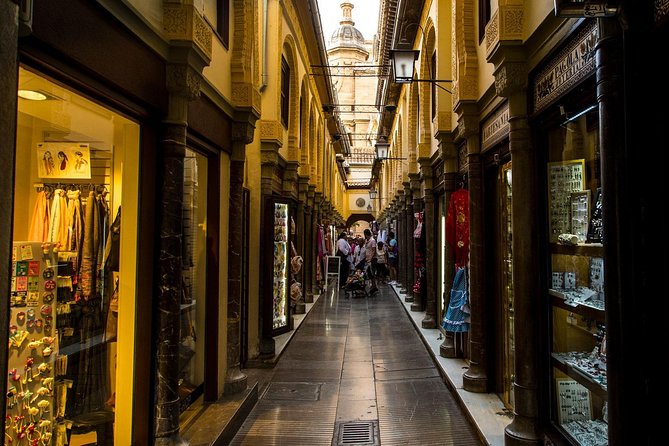
Two stops that help Granada click are Realejo-San Matías and La Madraza.
Realejo-San Matías represents the old low-medieval Jewish quarter. You’ll learn how written sources left traces of the community’s presence. Even though little remains visibly, the explanation turns empty space into meaning.
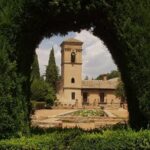
Then La Madraza brings you to an Andalusian teaching center, including access to the interior. This is where the city’s past feels educational rather than purely decorative. You’re reminded that Granada wasn’t only about rulers and buildings; it was also about learning systems and how knowledge moved.
If you like your travel with a thread you can follow, these two stops are the glue.
Casa Museo Max Moreau and Granada’s Carmen-style homes
You’ll visit Casa Museo Max Moreau, and depending on the day you may see this Carmen or another equally notable home in the Albaicín. Either way, it’s focused on Granada’s typical home style, not just a pretty facade.
Why it works: a “Carmen” (as these homes are often referred to) helps you understand the neighborhood from inside the domestic world. You get a sense of privacy, gardens/courtyard living, and how the elevation and street layout translate into home life.
You’ll be there briefly, but a short stop inside a real home is often more memorable than long external sightseeing. It’s the kind of detail that changes how you interpret what you see as you walk.
Cathedral and Royal Chapel exteriors: what you will and won’t go inside
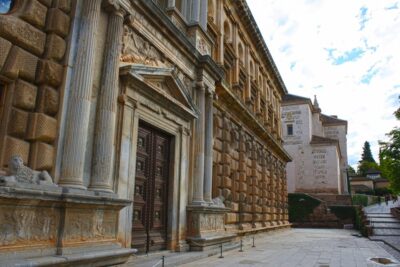
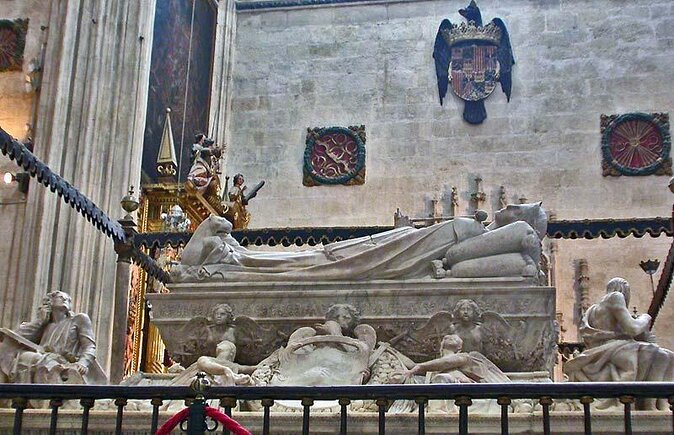
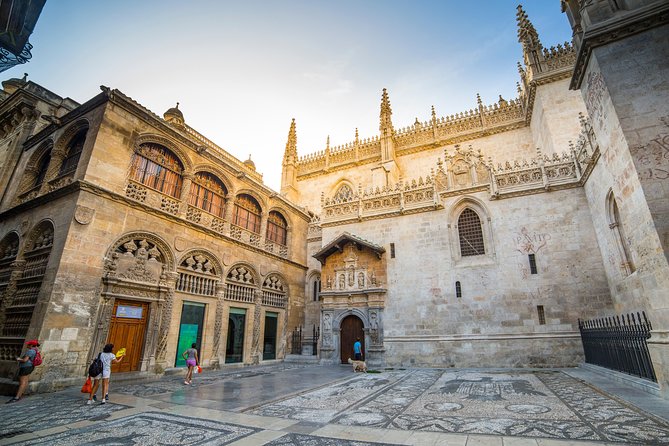
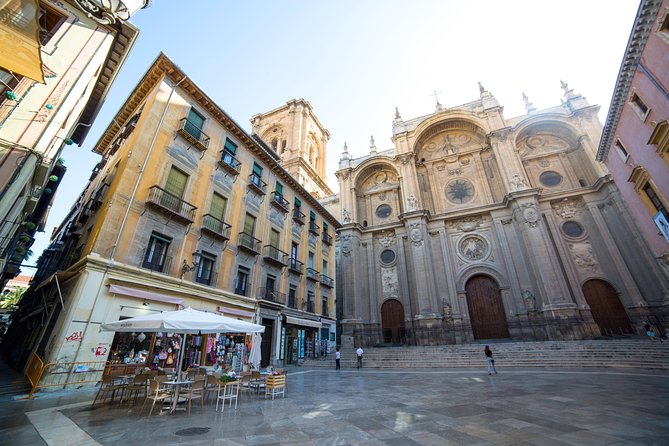
You’ll see the Cathedral, the Royal Chapel, and the Lonja from the outside, with stops meant to explain their history. This is a compromise many visitors accept because it keeps the tour moving and still gives you context.
Important: you’re not visiting inside the Cathedral, and you’re not entering the Royal Chapel interior. If your travel style is heavily “inside spaces only,” you may want a separate ticketed visit for those interiors later.
That said, seeing big religious architecture from the right angles still tells you a lot. Exteriors provide scale and visual cues, and your guide’s commentary helps connect it to the earlier layers you’ve already learned.
Sacromonte: flamenco roots, white caves, and big viewpoint energy
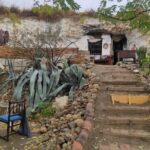
Sacromonte is the neighborhood stop that shifts the mood. You’ll explore it as the cradle of flamenco in Granada and as the quintessential gypsy neighborhood of the city, with a focus on the signature white caves and the viewpoints that come with the terrain.
This is a powerful stop because it’s not just a scene. It ties a living art form to a place, so you’re walking through history that’s still recognizable in the city’s identity.
Time is about half an hour, which feels short on the ground but long enough to get the idea. If you want to linger, your guide can point you toward what’s worth extra time once you’re done with the tour.
Tea and sweets with Alhambra views: the best kind of break
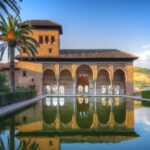
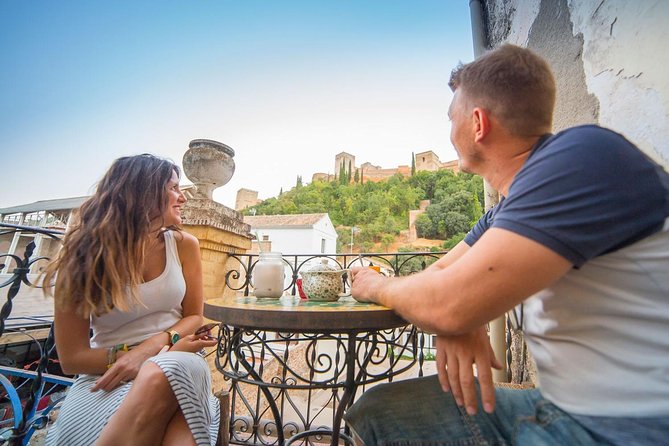
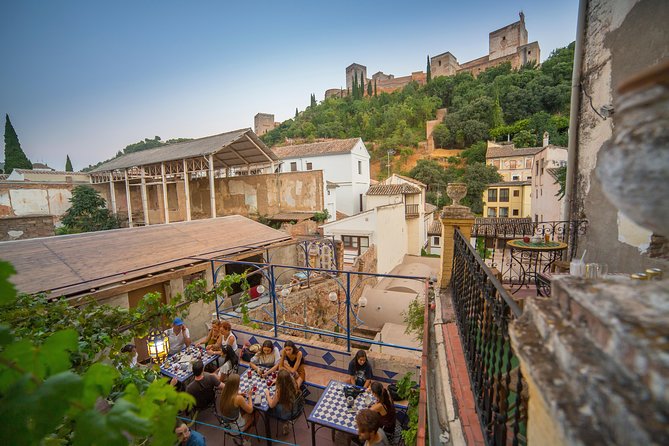
Midday energy matters on walking tours. This one includes coffee and/or tea with Arab tea and sweets, served with views overlooking the Alhambra.
I like this kind of pause because it’s timed for reset, not for dragging the schedule. It also gives you a moment to absorb what you learned earlier while you can still see the Alhambra area in the background.
In the feedback I’ve seen, people specifically appreciated the tea break with sweets like baklavas. If you’re a snack person, plan your appetite like you’re meeting a friend for a proper stop, not just a sip-and-go.
Price and value: what $179.44 gets you in real terms
At $179.44 per person, this isn’t a budget walking tour. But it’s also not priced like a multi-day expedition. The value comes from three things you can feel during the day.
First, it’s a private tour, meaning only your group participates. That matters when you’re dealing with uneven ground and narrow streets—your time is your time.
Second, it includes the tea/sweets break plus an English guide and a mobile ticket. Small inclusions add up on a day where you’ll be moving constantly.
Third, the schedule is tight enough to be useful even if you only have limited time in Granada. If you’re trying to make the most of a half-day, this tour is built for that exact purpose.
Who should book this Granada private tour (and who might prefer another option)
This tour is a strong match if you want a guided way to understand Granada’s neighborhoods without spending your whole day on logistics. It’s especially good for first-timers who want their bearings fast and for travelers who enjoy architecture plus culture in one loop.
It’s also a good choice for couples or small groups who like the idea of walking with someone who can slow down when a viewpoint is calling your name.
But it’s not ideal if you need accessibility adaptations, because the route isn’t adapted for reduced mobility or for hearing/visual impairment. It also isn’t recommended for children under 7, mainly because the tour lasts about 4 hours and the streets are cobbled.
Tips to make the 4-hour walk easier on your body
Wear comfortable shoes. Granada’s cobblestones are not forgiving, and you’ll cover several neighborhood changes by foot.
Bring a fully charged phone or camera. The viewpoints are part of why this route works, and you’ll want to capture the angles while you’re already there.
Finally, pack for weather and light. This experience requires good weather, so if your day looks iffy, plan to be flexible. Your guide’s route depends on conditions, and poor weather can change the day’s plan.
Should you book this tour?
If you want a half-day plan that gives you a real sense of Granada’s layers—Andalusian influence, Christian-era monuments from the outside, and neighborhood identity reaching into Sacromonte—this is a smart buy. The private setup plus the tea break with Alhambra views makes it feel worth it even though it’s not the cheapest option.
I’d skip it only if your priority is long time inside the Cathedral and Royal Chapel, since interiors aren’t visited. Or if you know uneven cobblestones are a deal-breaker, choose a tour designed around accessibility.
FAQ
How long is the Granada half-day private tour?
It lasts about 4 hours.
What time does the tour start, and where do we meet?
It starts at 10:00 am. You meet at Fuente de los Gigantones in Pl. de Bib-Rambla, Granada.
Is this tour private?
Yes. It’s a private tour/activity, so only your group participates.
Are we visiting the inside of the Cathedral and Royal Chapel?
No. The tour includes exterior viewing of the Cathedral and the Royal Chapel, but it does not visit their interiors.
What’s included in the tour?
Coffee and/or tea are included, along with Arab tea and sweets with Alhambra views.
What happens if weather is bad?
The tour requires good weather. If it’s canceled due to poor weather, you’ll be offered a different date or a full refund.