REVIEW · ALPUJARRA VILLAGES DAY TRIPS
From Granada: Alpujarra Villages Guided Day Tour
Book on GetYourGuide →Operated by Discovering Spain · Bookable on GetYourGuide
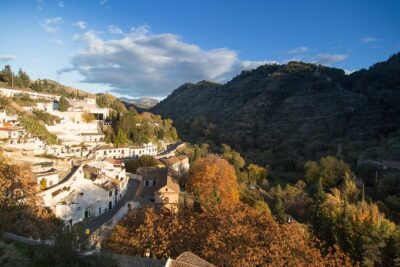
White villages, mountain water, and a real local guide. This Alpujarra day trip is one of the easiest ways to swap Granada’s streets for hillside villages and big mountain views. I especially like the way you get both history and nature—starting at Tablate’s Nasrid bridge and ending with the Chorrerón waterfall walk—without feeling rushed. The one drawback: it’s a full 7 hours with uneven steps and slopes, so you’ll want sturdy shoes and a water bottle.
You’ll see why the Alpujarra region is famous for its whitewashed houses stacked along the hillsides, plus those quiet lanes where you can pause without fighting crowds. Guides vary, but I like that the tone is friendly and personal, with room for questions and photo stops that actually make sense.
In This Review
- Key highlights at a glance
- Why the Alpujarra day trip works so well from Granada
- From Plaza de las Descalzas to the mountains: the small-group van rhythm
- Tablate’s Nasrid bridge and the Moriscos: history you can see
- Lanjarón: an old town stop that sets your expectations
- Mirador de Poqueira: the Sierra Nevada view that sells the whole region
- Pórtugos: Fuente Agria and the Chorrerón waterfall walk
- Capilerilla and Pampaneira: white villages with room to breathe
- Lunch timing and what to pack for a 7-hour mountain day
- Price and value: what $108 covers (and what it doesn’t)
- Who this tour fits best (and who should skip it)
- Final call: should you book the Alpujarra villages tour?
- FAQ
- How long is the Granada to Alpujarra villages guided day tour?
- What’s included in the price, and what’s not?
- Is hotel pickup available?
- Where do I meet for the tour?
- What languages are the guides?
- Is this tour suitable for wheelchair users or limited mobility?
- What should I bring?
Key highlights at a glance
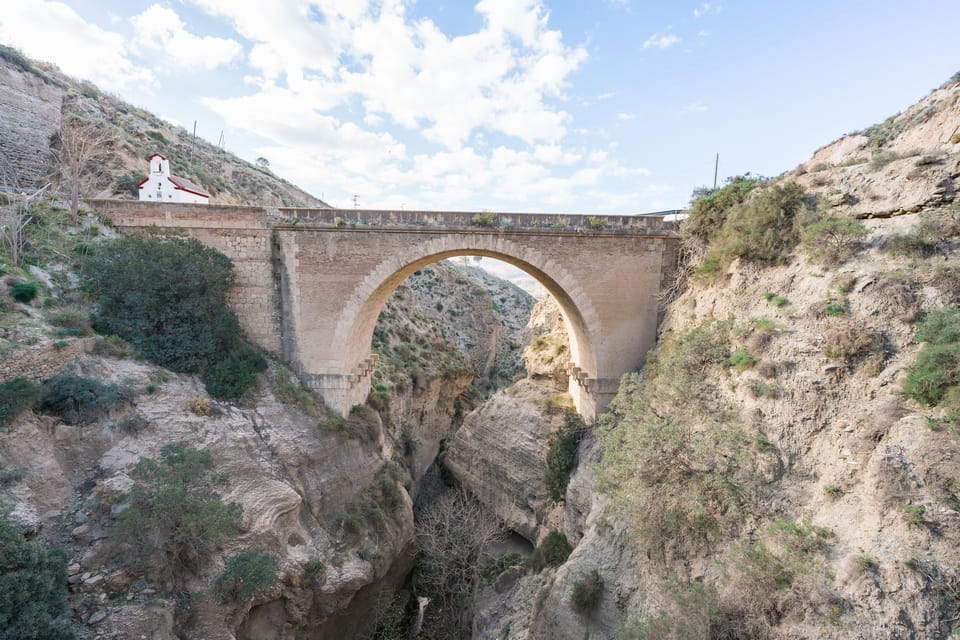
- Puente de Tablate: a historic photo stop tied to Nasrid-era stories
- Lanjarón: a first taste of the region’s oldest town character
- Poqueira & Guadalfeo viewpoints: sweeping sightlines toward the Sierra Nevada
- Fuente Agria and the Chorrerón: minerals in the water, then a walk down to natural falls
- Capilerilla: a calmer village stop with charming architecture and side-street wandering
- Pampaneira free time: time for coffee and slow browsing in one of the best-known Alpujarra towns
Why the Alpujarra day trip works so well from Granada
Granada is loud in the best way, but sometimes you want the opposite: quiet stone villages, cooler mountain air, and views that keep expanding as you drive higher. This Alpujarra villages tour gives you exactly that, in one day, with a guide who connects the dots—people, geography, and the architecture you’re seeing.
What makes it feel like more than a “check-the-box” excursion is the mix of moments. You get guided stops tied to the region’s past (Moriscos, Nasrid sites), then you shift gears to water, viewpoints, and walking through old lanes. And because it’s a small-group setup, you’re not stuck in a rigid line where everyone’s forced to move at the same pace.
The timing is also practical. It’s long enough to feel complete (about 7 hours), but it’s not one of those half-day tours where you barely catch your breath. You’ll come back with real impressions—more than photos.
You can also read our reviews of more guided tours in Granada


From Plaza de las Descalzas to the mountains: the small-group van rhythm
Meet your group at the Discovering Spain office at Plaza de las Descalzas, 3. After that, you’re on the van, heading toward the Alpujarra hills. The drive isn’t just transport; it sets the tone. You’ll typically spend about 30 minutes in the car early on, then keep transitioning between stops as the day unfolds.
This is the kind of tour where the van time matters because the region is hilly and the roads are winding. If you’ve ever visited the Sierra Nevada area, you know why that matters: getting around takes longer than you think. A good driver and a guide who knows when to pull over can make the whole day feel smooth rather than chaotic.
In my experience with this style of tour, the best groups are the ones where the guide explains what you’re about to see before you arrive. That’s what you want here—so when you reach a bridge, viewpoint, spring, or village square, you’re not just looking; you’re understanding.
Tablate’s Nasrid bridge and the Moriscos: history you can see
Your first big stop is Puente de Tablate, with time for photos and a guided explanation. This is where the tour starts doing something smart: it anchors the scenery in human history. You’re not just driving through pretty towns; you’re learning how the people of the region lived, shaped the landscape, and survived major changes.
One of the most interesting stories shared on this route is the relationship of the Moriscos with the Alpujarra. Even if you don’t know the term, the guide’s job is to connect it to why these villages feel the way they do now—stonework, settlement patterns, and the overall “up on the slope” logic of life here.
After the bridge photo stop, you continue toward the Nasrid castle area for views of the surrounding region. This matters because it gives you context for the valleys and ridges you’ll see later. Stand where you can see the terrain, and suddenly the later viewpoints click into place.
Lanjarón: an old town stop that sets your expectations
Next up is Lanjarón, one of the region’s first names you’ll hear—and a town with a long identity in the Alpujarra world. Expect it to feel more established than the smallest villages, with a classic mountain-town rhythm: lanes, corners, and that mix of local life and scenic calm.
Even though this stop is listed as a photo moment, it’s still valuable. In a day with multiple village walks, you want an early reference point—something you can compare later stops against. Lanjarón helps you calibrate what you’re looking for: white buildings, hillside layouts, and how the streets adapt to the slopes.
A practical note: this is a day where you’ll be standing and walking on uneven ground. If you tend to rush in cities, slow down here. Mountain villages reward patience.
Mirador de Poqueira: the Sierra Nevada view that sells the whole region
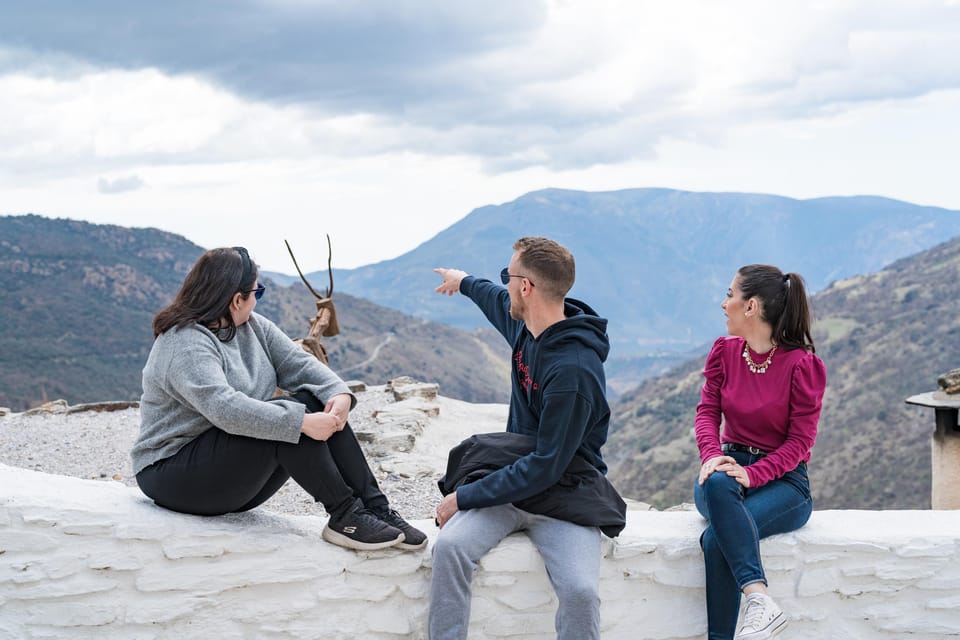
After Lanjarón, you reach Mirador de Poqueira for a viewpoint photo stop. This is one of those classic “stop the car and look” moments, because the angle lets you see multiple layers: the Poqueira Valley, the Guadalfeo Valley, and the Sierra Nevada range.
Viewpoints like this do more than create pretty photos. They help you understand how the villages fit into the geography. When you later walk lanes in places like Capilerilla or Pampaneira, you’ll realize the streets aren’t random—they’re shaped by slopes, water access, and the need to build close to workable ground.
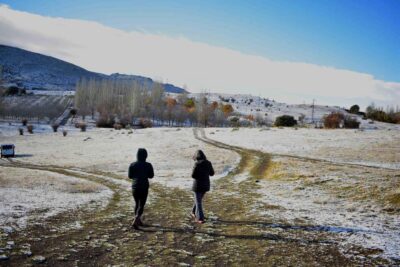
If you travel in shoulder seasons or winter months, this viewpoint is also a good reminder to check conditions. Mountain air can shift fast, and the open view areas feel colder than the towns do. Bring layers even when you expect mild weather.



Pórtugos: Fuente Agria and the Chorrerón waterfall walk
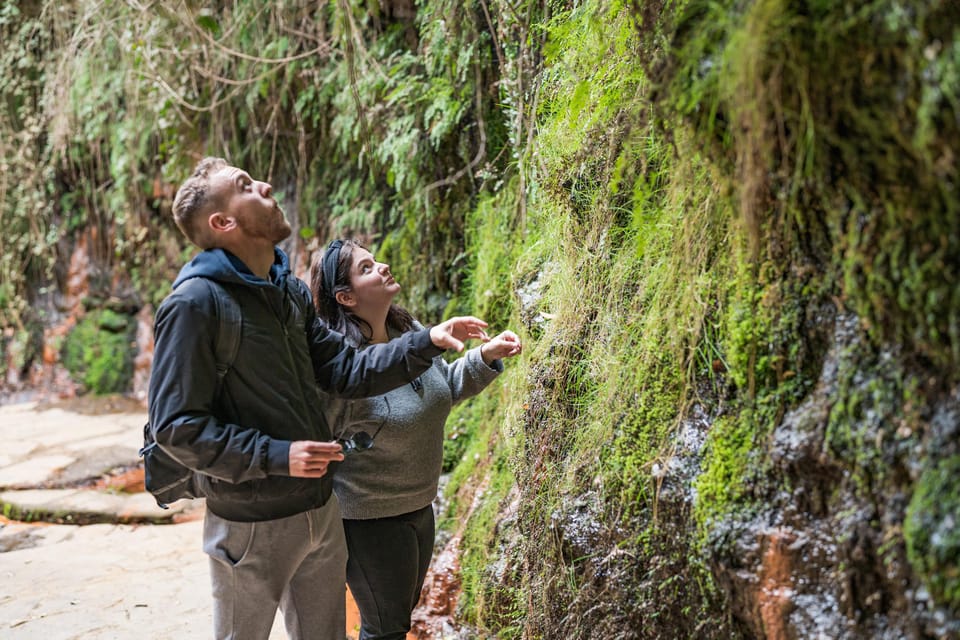
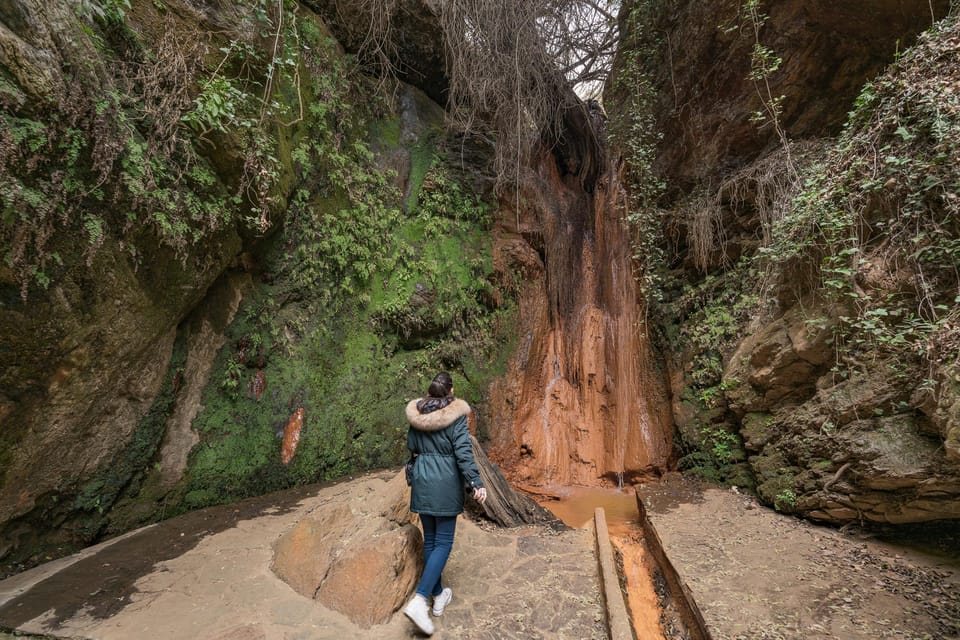
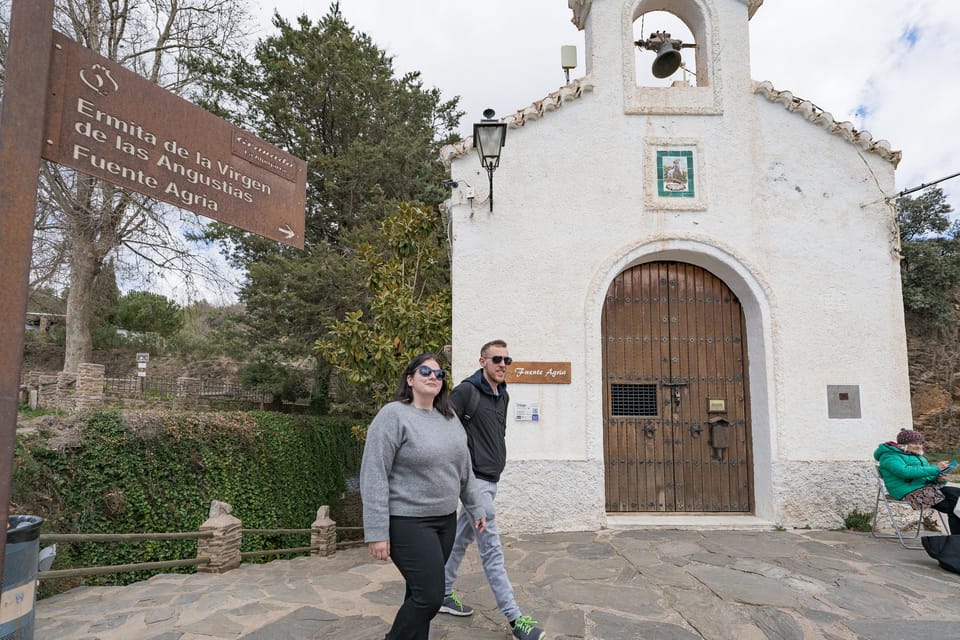
One of the most memorable parts of the day is the shift from “look” to “walk.” At Pórtugos, you’ll see Ermita and Fuente Agria with a guided stop, then continue to the natural water feature called the Chorrerón.
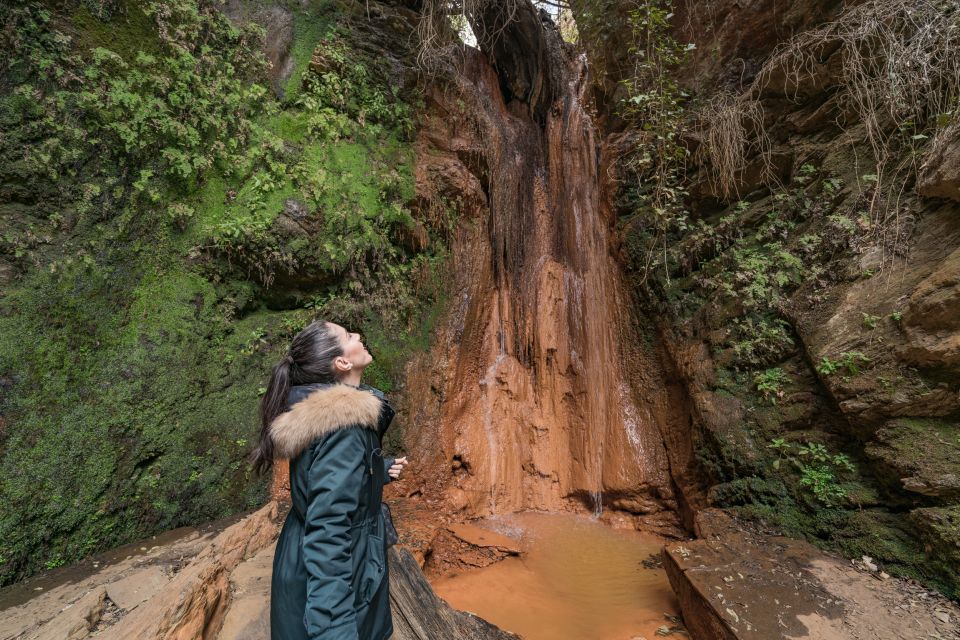
Fuente Agria is described as a spring with minerals in the water. That detail matters because it hints at why the region developed the way it did—water isn’t just scenery here. It’s life, agriculture, and settlement logic. Then the day turns practical and physical: you’ll walk down to view the Chorrerón’s natural waterfalls.
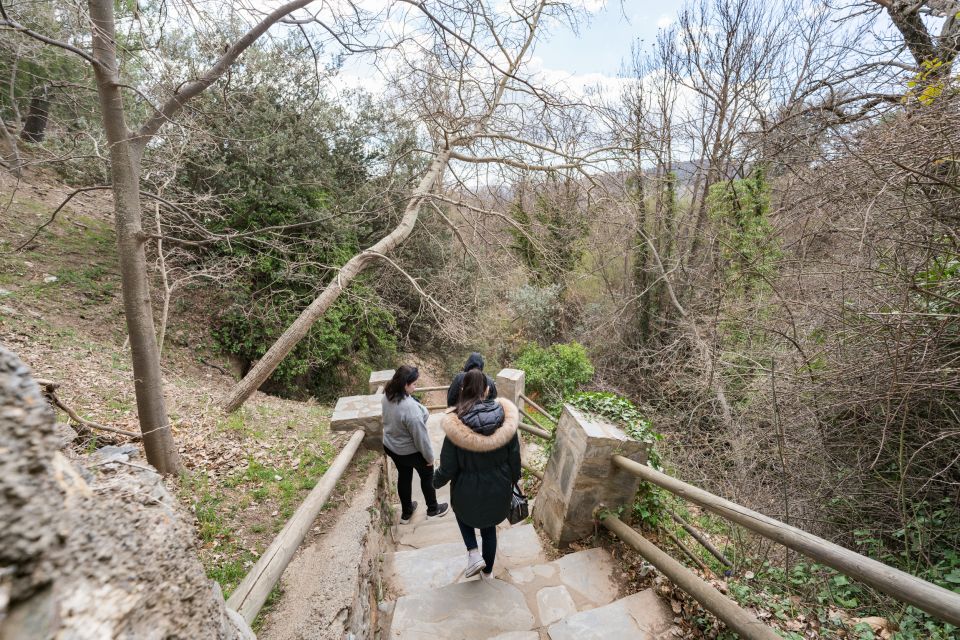
This stretch is where your comfortable shoes earn their keep. The route involves inclines and steps, and when conditions are even slightly slick, it can feel more demanding than a typical city stroll. Take your time. The payoff is real: natural falls in a mountain setting is the kind of scene that makes a day trip feel more like a mini escape.
If you like photos, this is also a better moment than most. You can frame the falls with the stone-and-green surroundings, and the movement of water adds texture even if the light isn’t perfect.
Capilerilla and Pampaneira: white villages with room to breathe
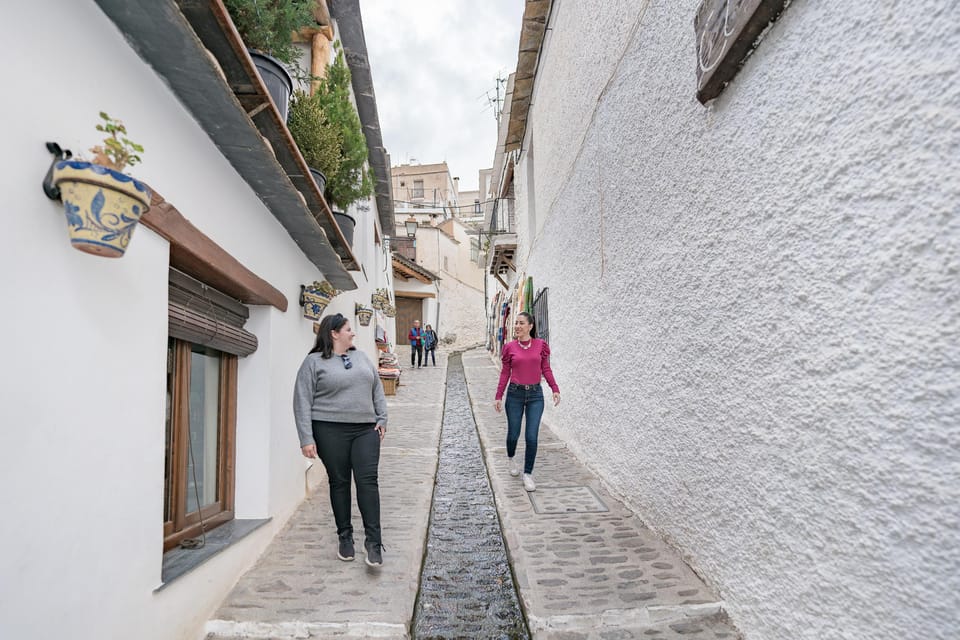
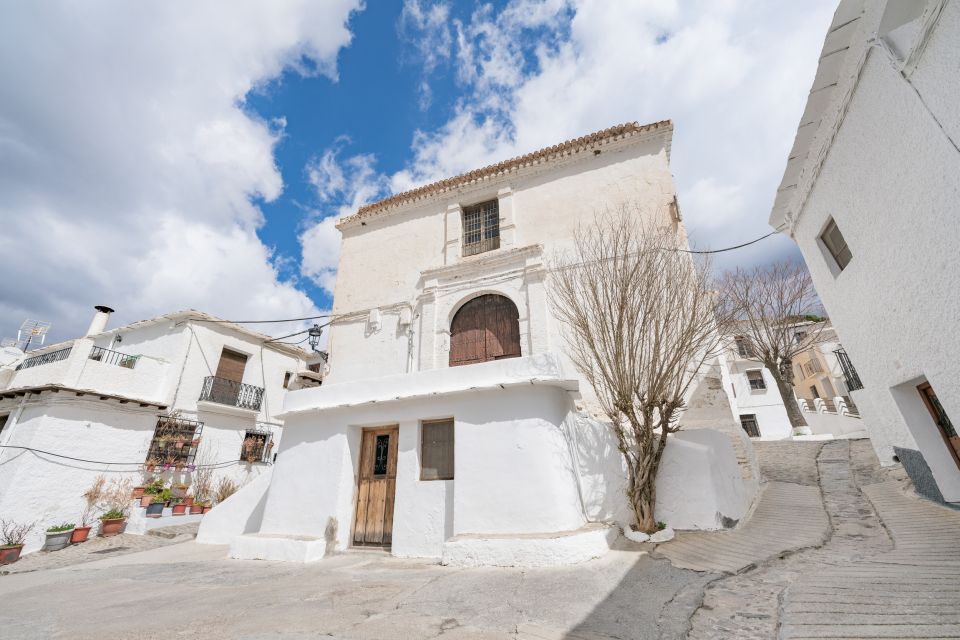
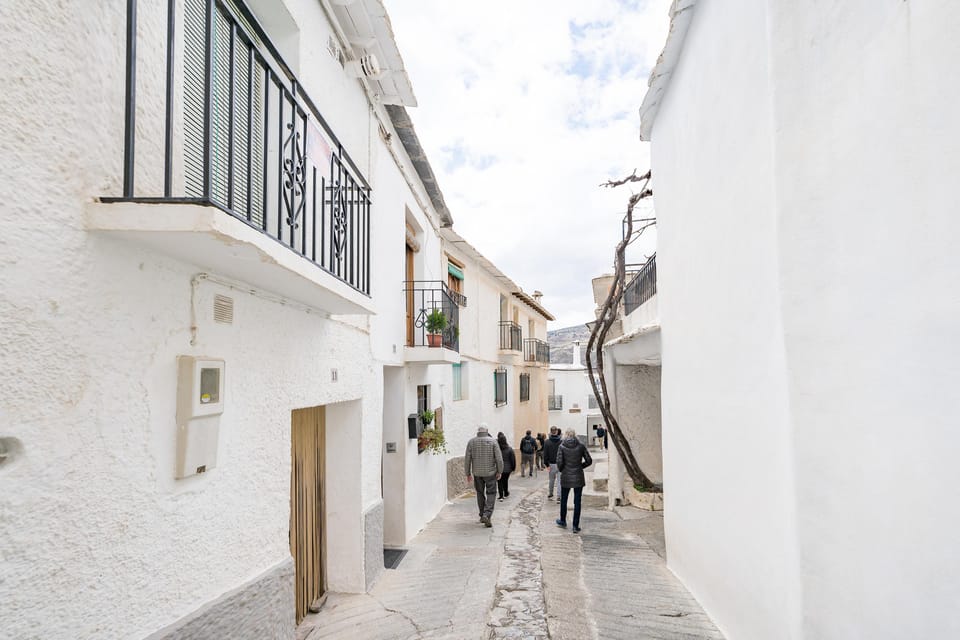
After the waterfall walk, you head to Capilerilla. This stop is often described as quieter and away from the biggest crowds. You’ll walk through quaint streets and see beautiful architecture, with enough time to enjoy the feel of a smaller Alpujarra village instead of being rushed through a single main plaza.
Capilerilla is a useful stop because it contrasts with the later, more famous town. You’ll get the sense of “this is what daily village life looks like,” not just what sells to day-trippers. If you love architecture details—simple façades, window shapes, and how buildings cling to the hillside—you’ll probably want to slow down and look up, not just straight ahead.
Then comes Pampaneira, one of the most representative Alpujarra towns and part of the network of the most beautiful villages in Spain. This is where you get your main village time: guided exploration plus free time. You’ll have a chance to stop for coffee and enjoy the town at your own pace before returning.
Pampaneira’s value is the balance. You’re not only on the receiving end of explanations—you also get space to wander and choose your own rhythm. That’s important on a day like this, because you’ll spend a lot of time looking out over valleys and then looking down narrow streets. Variety keeps you fresh.
Lunch timing and what to pack for a 7-hour mountain day
Lunch isn’t included, though there is a lunch/free-time block built into the Pampaneira portion of the day. In practice, you should plan for a late lunch vibe, because the meal happens after your village walking and viewpoint time.
This is one of those days where packing smart saves you from stress:
- Water: you’ll be outside and walking
- Comfortable shoes: steps and slopes are part of the deal
- Comfortable clothes: layers help with changing mountain weather
If you’re used to eating early, bring a small snack for the ride or between stops. The day can run full, and the best strategy is to avoid getting hungry enough that every stop feels like an interruption.
Also, remember the tour isn’t designed for slow, seated sightseeing. It’s a hands-on day: van to viewpoint, walking down for waterfalls, then village wandering. If you’re okay with that rhythm, you’ll enjoy the day more than you expect.
Price and value: what $108 covers (and what it doesn’t)
At $108 per person for a 7-hour day trip, you’re paying for three things: transportation, a local guide, and a route with multiple guided moments. Lunch is not included, and hotel pickup isn’t included unless you’ve chosen a private option.
So is it worth it? In my view, it’s good value if you want:
- Guided history and geography, not just driving yourself
- Time in several villages (not a single-town outing)
- Walkable natural sights, like the Chorrerón area
It’s less of a value play if your priority is only one or two highlights and you’re comfortable renting a car. But if you want the “see a lot, learn as you go” style, the guide and the structure matter.
One small logistics detail that’s worth your attention: the meeting point is set at Plaza de las Descalzas, 3. Pickup is optional and depends on vehicle access to your accommodation area, so don’t assume you’ll be picked up at the door. Plan to meet at the designated spot unless you’ve confirmed otherwise.
Who this tour fits best (and who should skip it)
This works especially well for you if you:
- Like small-group travel and dislike being herded
- Want a day in the white villages without the hassle of driving
- Enjoy mixing history, viewpoints, and a natural walk
- Prefer a guide who can explain why places matter, not just where to take photos
It’s not suitable for people with mobility impairments or wheelchair users, because the stops include walking, inclines, and steps. If that’s a concern for you, a gentler option or a more accessible route would probably suit better.
Also, if you hate late meals, you’ll need a game plan. Build in a snack, and treat lunch as part of the full-day timing, not a casual midday stop.
Final call: should you book the Alpujarra villages tour?
I’d book this tour if you’re in Granada for more than a couple days and you want one outing that changes your pace. It’s strong on variety: Tablate’s historical start, valley viewpoints toward the Sierra Nevada, the mineral spring and Chorrerón waterfall walk, then village time in Capilerilla and Pampaneira. That mix is hard to recreate on your own without spending extra time planning.
You should think twice if you have limited mobility, dislike walking on uneven ground, or want a short day. This is a full outing, and the payoff comes from staying engaged—looking up at architecture, stopping for viewpoints, and taking your time on the water walk.
If you go, bring water, wear solid shoes, and lean into the slow village moments. That’s where the Alpujarra day trip stops feeling like a tour and starts feeling like a real slice of life.
FAQ
How long is the Granada to Alpujarra villages guided day tour?
It lasts about 7 hours.
What’s included in the price, and what’s not?
Transport and a local guide are included. Lunch is not included.
Is hotel pickup available?
Hotel pickup is not included unless you choose a private option. Pickup is optional in some cases, and you may be asked to meet at a nearby location if the vehicle can’t access your accommodation.
Where do I meet for the tour?
You meet at the Discovering Spain office at Plaza de las Descalzas, 3.
What languages are the guides?
The tour is guided in Spanish and English.
Is this tour suitable for wheelchair users or limited mobility?
No. It is not suitable for people with mobility impairments and wheelchair users.
What should I bring?
Bring comfortable shoes, water, and comfortable clothes.