REVIEW · ALHAMBRA TICKETS & SKIP-THE-LINE
Granada: Cathedral & Royal Chapel Skip the Line Tour
Book on GetYourGuide →Operated by Special Plans · Bookable on GetYourGuide
Granada’s cathedral is history you can walk into. This skip-the-line tour pairs Granada Cathedral with the Royal Chapel, built in styles that feel like two different eras stacked in one place. You’ll hear the story of how the cathedral rose after Granada’s conquest, then walk right into the royal burial heart of Christian Spain.
I especially like two things: first, the way the guide connects the building details to real royal drama, from the Catholic Monarchs to Carlos V. Second, you save time with skip-the-ticket-line entry and get both monuments in about 2 hours instead of piecing together visits on your own.
One thing to consider: this is mostly walking and it’s not a good match for people with mobility impairments or wheelchair users.
In This Review
- Key points worth your attention
- Granada Cathedral: Spanish Renaissance Inside the Mosque Site
- Royal Chapel of Granada: Isabelline Gothic and Royal Burials
- Streets Between the Monuments: Calle Oficios and the Alcaicería Area
- Your Guide’s Job: Making the Architecture and Royal Stories Click
- Timing and Rules for a Smooth 2-Hour Visit
- Price and Value at About $42: Where Your Money Goes
- Who This Tour Suits Best (and Who Should Rethink It)
- Should You Book This Granada Cathedral & Royal Chapel Tour?
- FAQ
- How long is the Granada Cathedral & Royal Chapel skip-the-line tour?
- Where do I meet for the tour?
- What is included in the price?
- Does the tour include skipping the ticket line?
- What languages are the live guides offered in?
- What should I bring with me?
- Are there restrictions on what I can bring?
- Is the tour suitable for wheelchair users or mobility impairments?
- Is food and drinks included?
Key points worth your attention
- Skip-the-line tickets means less waiting and more time inside the churches
- Spanish Renaissance Cathedral built on the former mosque site, with major altar and chapels to see
- Isabelline Gothic Royal Chapel (1505–1517) and the famous royal burials
- Short old-town detours around Calle Oficios and the Alcaicería area between the big interiors
- Real guide star power, with names like Xino, Sophia, Carmen, Laura, Jaime, and Mercedes appearing in recent tours
- Photo limits in the Royal Chapel are likely, so plan to enjoy with your eyes first
Granada Cathedral: Spanish Renaissance Inside the Mosque Site
Start at Plaza Isabel la Católica, in the middle of the action—right behind the Monument of the Capitulations, where the statue of Queen Isabella I and Christopher Columbus anchors the square. It’s an easy meeting spot to aim for, and it gets you mentally set: you’re in the heart of the Christian city that grew after Granada changed hands.
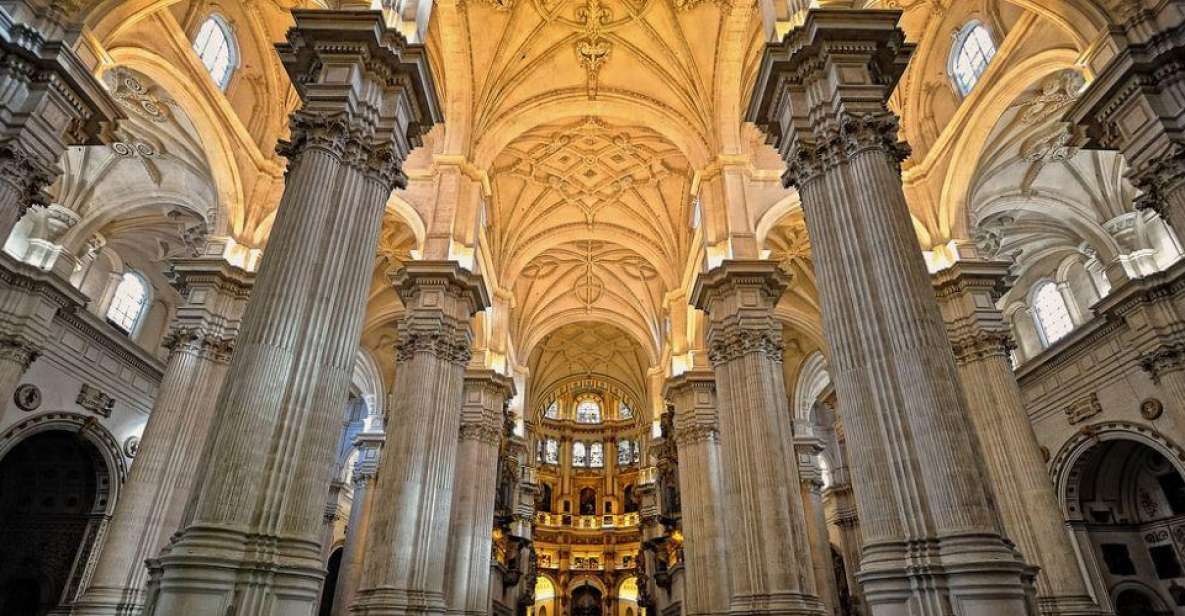
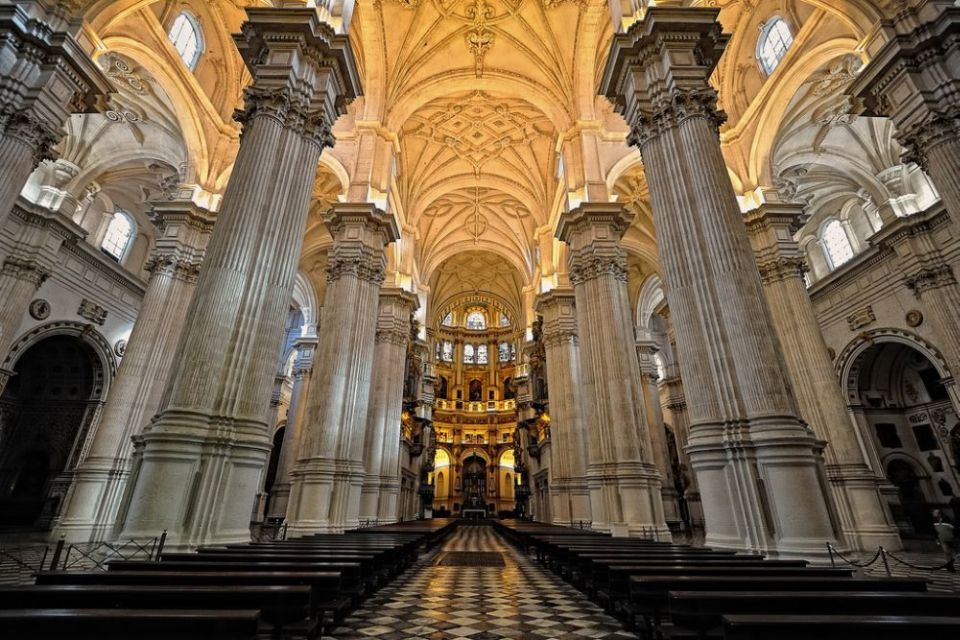
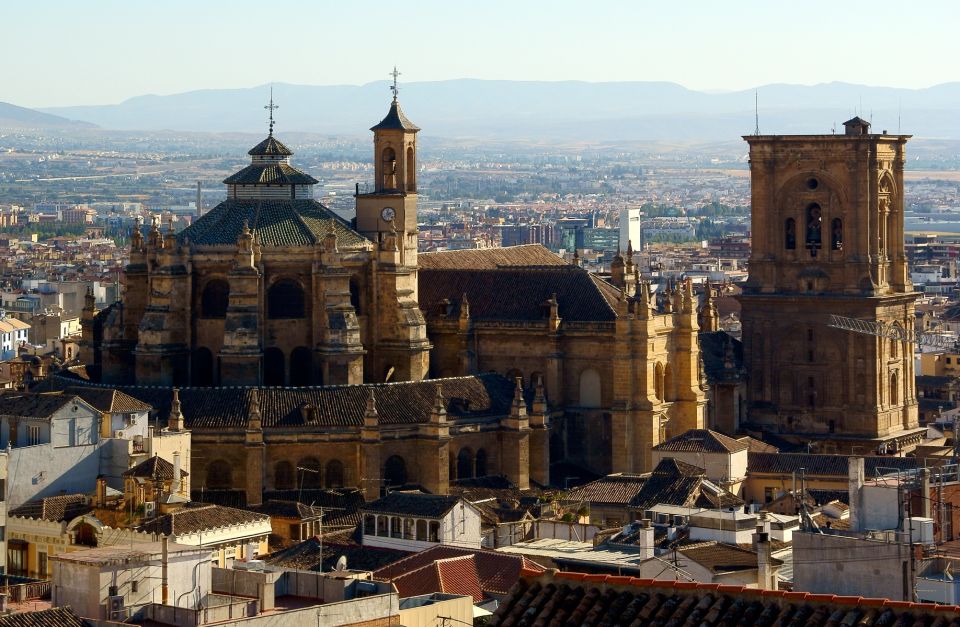
From there, you’ll move to the cathedral with a photo stop and time to settle in before you go inside. The big draw here is the contrast. This is a Spanish Renaissance masterpiece, but it sits on a site that previously held a mosque. That one detail changes how you look at the whole building. Instead of seeing it as just pretty architecture, you start noticing how political power and religious symbolism were made visible in stone.
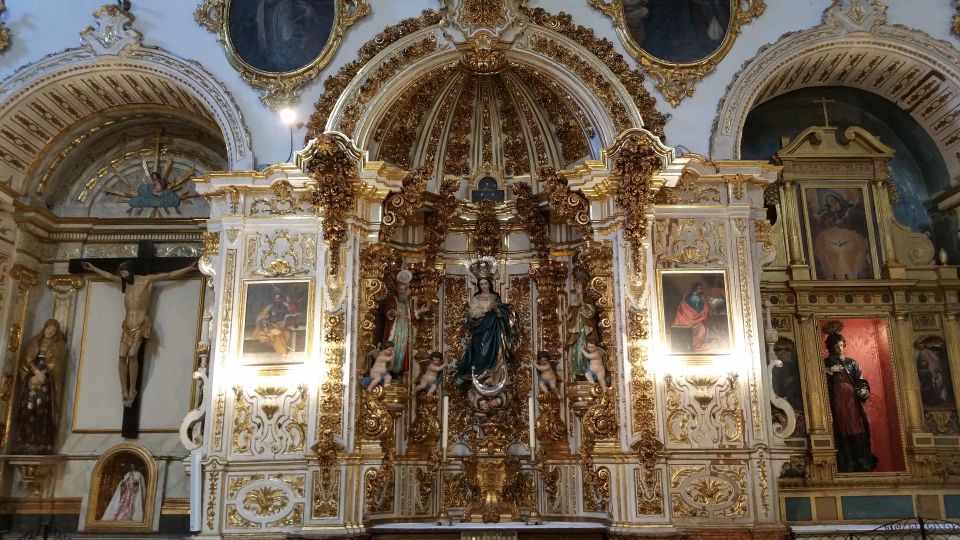
Once inside, expect a serious wow moment from the scale and the interior design. The tour focuses on the cathedral’s impressive façade work and what’s inside: the grand altar and multiple chapels. You don’t just get a quick glance. The guide leads you through the spaces so you understand why they matter—what royal patronage meant, how the cathedral was meant to embody Catholic authority, and how the building’s identity was shaped during construction.
A guide also helps you notice things you’d likely miss solo, like how the story of Isabella and the conquest sets the stage. One of the most praised guide styles from recent tours is the way they turn architecture into something you can follow—especially when they connect what you’re looking at with the people who funded and influenced it.
You can also read our reviews of more tours and experiences in Granada
Royal Chapel of Granada: Isabelline Gothic and Royal Burials
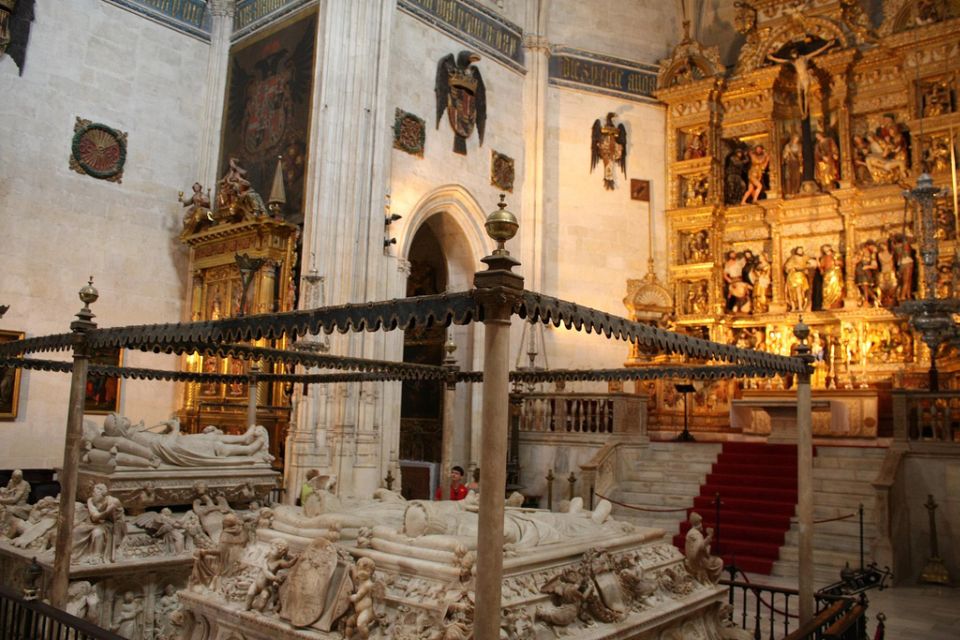
After the cathedral, the tour moves to the Royal Chapel of Granada—surrounded by the cathedral complex, plus the Church of Sagrario and the Madraza Palace. That setting matters. You’re not strolling through isolated landmarks. You’re walking around the religious and historical core of the area.
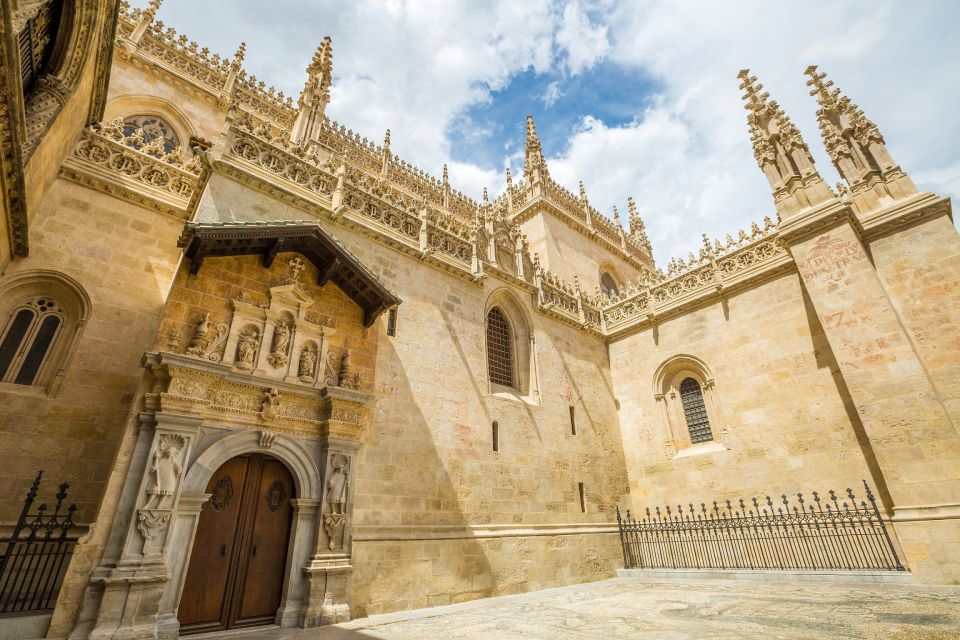
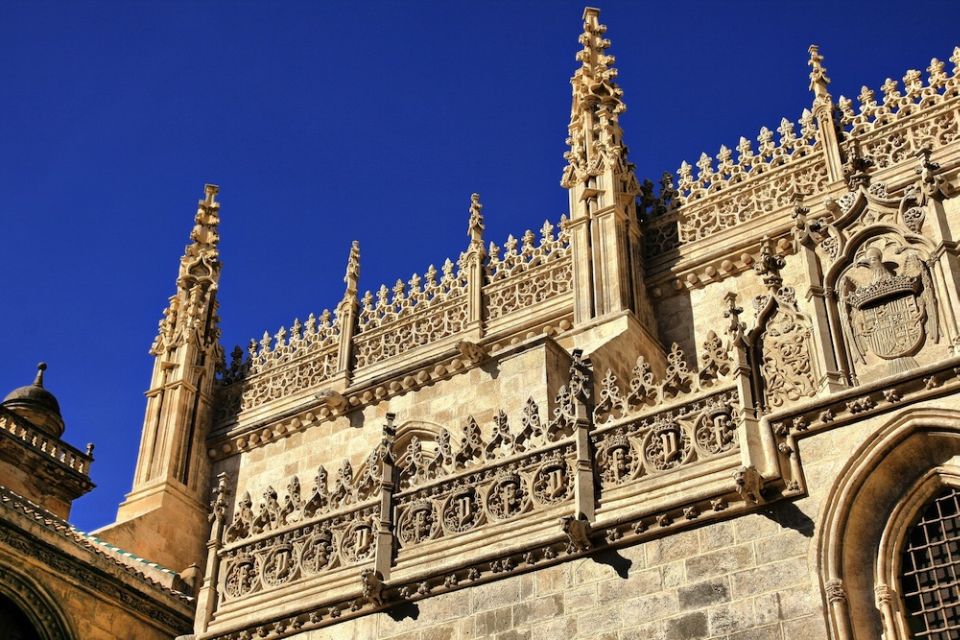
The Royal Chapel is where the vibe shifts. Built between 1505 and 1517 in the Isabelline Gothic style, it feels more pointed and dramatic than the Renaissance cathedral around it. The chapel is dedicated to St. John the Baptist and St. John the Evangelist. That dedication isn’t just trivia. It shapes the religious tone and helps you understand how the space was designed for veneration.
This is also the burial site that makes the tour feel more “real” than many church visits. You’ll get the chance to pay your respects to those buried here, including the Catholic monarchs, Joanna of Castile, and her husband, Philip I of Castile. Seeing how this chapel functions as a royal memorial turns the visit from sightseeing into a direct connection with Spain’s monarchy—especially the era that followed Granada’s conquest.
Important practical note: photography and video rules can be strict in the Royal Chapel. Plan on restrictions in parts of the building, so don’t spend the experience hunting for the perfect shot. You’ll enjoy it more if you use photos as a bonus, not your main plan.
Streets Between the Monuments: Calle Oficios and the Alcaicería Area
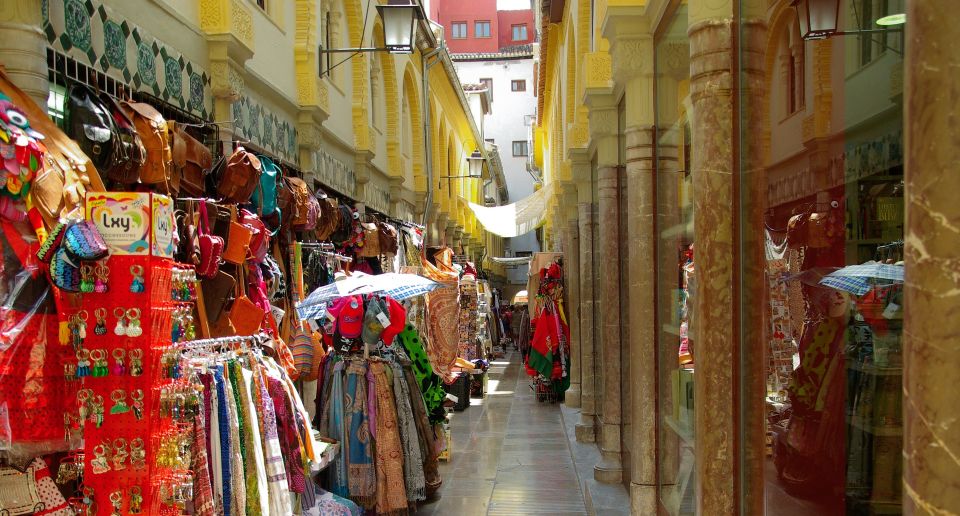
One reason this tour feels efficient is the way it uses the time between the cathedral and chapel visits. You get short, guided stops around Calle Oficios and the Alcaicería area. Each is brief—think around ten minutes each—but it adds breathing room and context.
Calle Oficios helps you understand you’re not just walking between doors of famous buildings. You’re in a neighborhood shaped by old trade routes and daily life that grew around the cathedral complex. Then the Alcaicería stop gives you a chance to look around and do a little shopping if you want. Even if you don’t buy anything, it’s a good reminder that Granada’s history isn’t locked behind museum glass.
These short street moments also make the overall timing easier on your feet. After an interior tour, a quick look at the surrounding streets helps reset you. Just wear comfortable shoes, because you’re still doing real walking on uneven areas.
Your Guide’s Job: Making the Architecture and Royal Stories Click
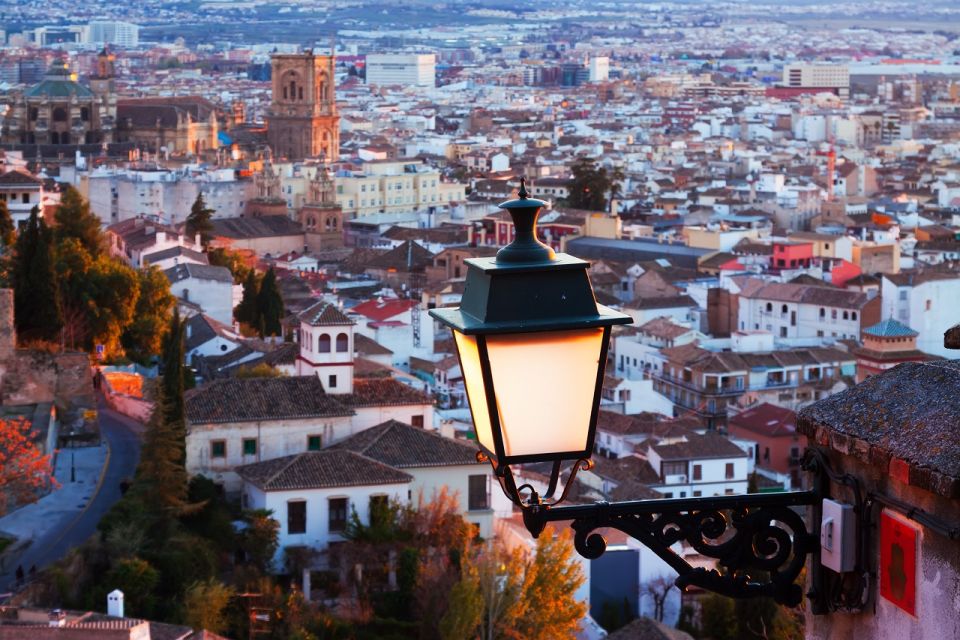
The biggest “multiplier” on this tour is your guide. The tour includes a live guide, and recent firsthand accounts highlight guides who bring the stories with energy and structure—turning a complex timeline into a simple narrative you can keep in your head.
You’ll hear detailed history about both monuments and how they connect. In the cathedral, the guide explains the foundation story: the cathedral was built on the former mosque site after Queen Isabella’s conquest. In the Royal Chapel, the guide shifts the focus to Isabelline Gothic style and the royal burials that anchor the chapel’s meaning.
It’s not only history. Guides also point out how artistic and architectural choices reflect power and belief. One traveler specifically praised a guide for explaining the family history of Spanish monarchs and how that added meaning to the visit. Another praised a guide as an art historian who made the cathedral and its details easy to follow—not just facts dumped at you.
Names that have shown up in recent tours include Xino, Sophia, Carmen, Laura, Jaime, and Mercedes. If you see one of those names offered (or if your guide matches that teaching style), you’re in good shape. The most common theme across positive experiences is clear communication paired with passion for art, architecture, and the Catholic Monarchs’ era.
One more practical tip: go in with one small question in mind. For example: How did the cathedral’s “new” identity get built on a former mosque site? Or: Why does this chapel feel like a royal memorial, not just another chapel? A good guide will do the rest.
Timing and Rules for a Smooth 2-Hour Visit
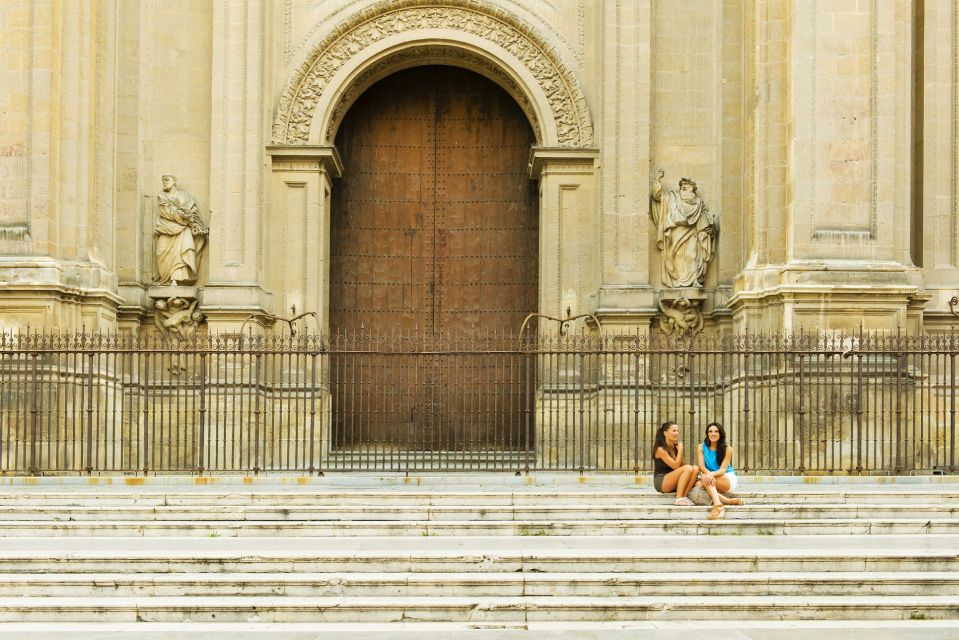
This is a short tour by design—about 2 hours total. You get a walking format that still prioritizes time inside both monuments. The experience description also points to about 90 minutes of guided walking/visiting, which makes sense: you’re not lingering in one place so long that the second monument becomes rushed.
Here’s what that means for you:
- You should be ready to move at a steady pace, especially between the cathedral and Royal Chapel.
- The tour includes a photo stop and short guided walks, so your “real time” inside the main highlights still feels substantial.
- The meeting point at Plaza Isabel la Católica behind the Monument of the Capitulations is straightforward—use it to get oriented quickly.
What to bring is simple and important: a passport or ID card, plus comfortable shoes. The tour also notes limits on what you can bring—no pets, and no luggage or large bags. If you’re traveling light, you’ll have an easier time navigating entrances and keeping the group moving.
And because the Royal Chapel can have strict photo/video rules in at least some areas, you’ll want to mentally budget your attention. Don’t plan to document every corner. Plan to look first.



Price and Value at About $42: Where Your Money Goes
At about $42 per person, this tour sits in the “worth it” category for many visitors, mainly because of two practical benefits packed into one price:
1) You get tickets for the Cathedral and the Royal Chapel as part of the tour.
2) You skip the ticket line, which can be the difference between spending your limited time waiting outside or actually seeing the interiors.
Skip-the-line tours often sound like a convenience-only add-on. Here, it matters because you’re trying to fit two major monuments into one compact window. Without skip-the-line entry, the day can turn into time-juggling.
The other value piece is the guide’s interpretive work. You’re not just buying access. You’re buying help understanding why the cathedral is Spanish Renaissance while the Royal Chapel is Isabelline Gothic, why the cathedral sits on the former mosque site, and why the chapel is dedicated to St. John figures and anchored by royal tombs.
You do give up some flexibility: food and drinks aren’t included, and pickup isn’t included. So you’ll want to plan your refreshment stops around the tour rather than expecting a snack built into the experience.
For the kind of person who likes to leave monuments with a clearer mental map—who wants to know who did what, when, and why—$42 is a fair trade. For someone who mostly wants quiet wandering and zero explanation, the value may feel less justified.
Who This Tour Suits Best (and Who Should Rethink It)
This is a strong fit for you if:
- You want both the Granada Cathedral and the Royal Chapel without spending your day coordinating separate entry times.
- You like architecture when it comes with context—styles, builders, dedications, and royal connections.
- You’re traveling with limited time and you want the experience to feel complete by the end.
It’s not a good match if:
- You need accessibility support for mobility impairments or wheelchair use, because the tour isn’t suitable for wheelchair users.
- You’re carrying large luggage or traveling with pets, since those aren’t allowed.
If you’re traveling with kids, the pace and educational storytelling can work well—especially with guides known for keeping attention high and answering questions.
If you’re traveling solo, this can still be excellent. One account notes a tailored experience when only a single booking happened, which suggests smaller groups can get more personal attention.
Should You Book This Granada Cathedral & Royal Chapel Tour?
Yes, if you want an efficient, guided way to understand the Christian heart of Granada—without losing time in lines. The cathedral and Royal Chapel are already impressive on their own, but the guide turns them into a connected story: mosque site to Renaissance cathedral, then Isabelline Gothic royal memorial.
Book it especially if you care about details like royal burials, the chapel dedications, and what architectural styles signal in Spain’s big historical shift. The price also feels reasonable once you factor in tickets for both sites plus skip-the-line entry.
The one “hold on” moment: if you have mobility limitations, you should look for a more accessible alternative. And if you love taking lots of photos, remember the Royal Chapel may restrict photography and video in parts—so plan to enjoy the experience firsthand, not just through your camera.
If that sounds like your kind of visit, you’ll likely leave with a clearer sense of Granada’s two identities—then how they overlap in these stone rooms.
FAQ
How long is the Granada Cathedral & Royal Chapel skip-the-line tour?
It lasts about 2 hours in total.
Where do I meet for the tour?
Meet at Plaza Isabel la Católica, 18009 Granada, behind the Monument of the Capitulations (the statue of Queen Isabella I and Christopher Columbus).
What is included in the price?
The tour includes tickets for the Granada Cathedral and the Royal Chapel, plus a live guide.
Does the tour include skipping the ticket line?
Yes, skip-the-ticket-line entry is included.
What languages are the live guides offered in?
Live tour guide languages listed are French, Spanish, Italian, and English.
What should I bring with me?
Bring a passport or ID card, and wear comfortable shoes.
Are there restrictions on what I can bring?
Yes. Pets are not allowed, and luggage or large bags are not allowed.
Is the tour suitable for wheelchair users or mobility impairments?
No. The tour is not suitable for people with mobility impairments or for wheelchair users.
Is food and drinks included?
No. Food and drinks are not included.