REVIEW · ALBAICIN & SACROMONTE WALKING TOURS
Granada Citycenter&Albayzin
Book on GetYourGuide →Operated by Gazal Tours · Bookable on GetYourGuide
Granada without the stress. This 2-hour small-group tour links Granada Citycenter to the UNESCO Albayzín neighborhood, with a headset so you catch every detail. I especially like the tight route through the city’s big monuments and squares, and I really like that the guide keeps the culture talk grounded in everyday Granada life. One drawback: you’ll walk on uneven streets and climb uphill toward San Nicolás, so this isn’t a sit-everywhere kind of tour.
You also get a comfort upgrade that most city walks don’t offer: headsets (for groups of 6 people and up) so you don’t miss explanations when the streets get busy. At $17 per person, you’re paying for guided time and context more than for entrances, since monument tickets aren’t included. If you’re hoping for a fully flat stroll or wheel-first sightseeing, plan another option.
You’ll meet at Plaza Isabel la Católica (look for the light blue umbrella by the statue), then finish at Mirador de San Nicolás—the viewpoint where the walk starts to feel worth it. If you end up with a guide like Rasha or Rachel, you’ll likely get a professional, friendly vibe with plenty of room for questions.
In This Review
- Key highlights worth your attention
- Granada Citycenter and Albayzín: what this 2-hour walk really gives you
- Starting at Plaza Isabel la Católica: where the tour clicks into gear
- Corral del Carbón: the Nasrid-period alhóndiga you can still see
- Alcaicería and Plaza Bib-Rambla: crafts, souk energy, and sweet stops
- Granada Cathedral and the Royal Chapel: three styles, medieval graffiti, and royal power
- La Madraza, Carrera del Darro, and the Bañuelo/Museum focus
- The Albayzín climb and Aljibe De Trillo: viewpoint build-up with real texture
- Mirador de San Nicolás: where the walk pays off
- Price and included value for $17
- Who this walking tour suits best (and who should skip it)
- Should you book this tour?
- FAQ
- How long is the Granada Citycenter and Albayzín tour?
- Where do I meet the guide?
- Is the tour price $17, and what’s included?
- Are monument tickets included?
- What’s the tour end location?
- What language is the tour offered in?
- Is food or drink included?
- Is it accessible for wheelchair users or strollers?
- What should I bring?
Key highlights worth your attention
- Headset guidance on a tight 2-hour route, so you don’t get left behind on corners
- UNESCO Albayzín streets and viewpoints, including the climb to San Nicolás
- Real monument mix: Cathedral, Royal Chapel, La Madraza, plus Nasrid-era history stops
- Corral del Carbón as the preserved Nasrid-period alhóndiga you don’t want to miss
- A practical city walk that pairs architecture with the markets, crafts, and daily Granada feel
Granada Citycenter and Albayzín: what this 2-hour walk really gives you
Granada can swallow your time fast. There are so many places people rush toward (Alhambra always wins), and then you still want to understand the rest of the city. This tour focuses on the historic heart—city center first, then the Albayzín neighborhood—so you come away with a clear mental map of how Granada is stitched together.
I like that it’s not just a checklist of famous buildings. The route connects those buildings to the way Granada worked: trade spaces like the Corral del Carbón and the Alcaicería, religious power at the Cathedral and Royal Chapel, and the residential-labyrinth side of life in Albayzín.
The Albayzín part matters because it’s a UNESCO World Heritage Site, not just a pretty hillside district. You’re walking through the narrow, winding streets that shaped daily movement and city life long before modern roads showed up.
You can also read our reviews of more tours and experiences in Granada.


Starting at Plaza Isabel la Católica: where the tour clicks into gear
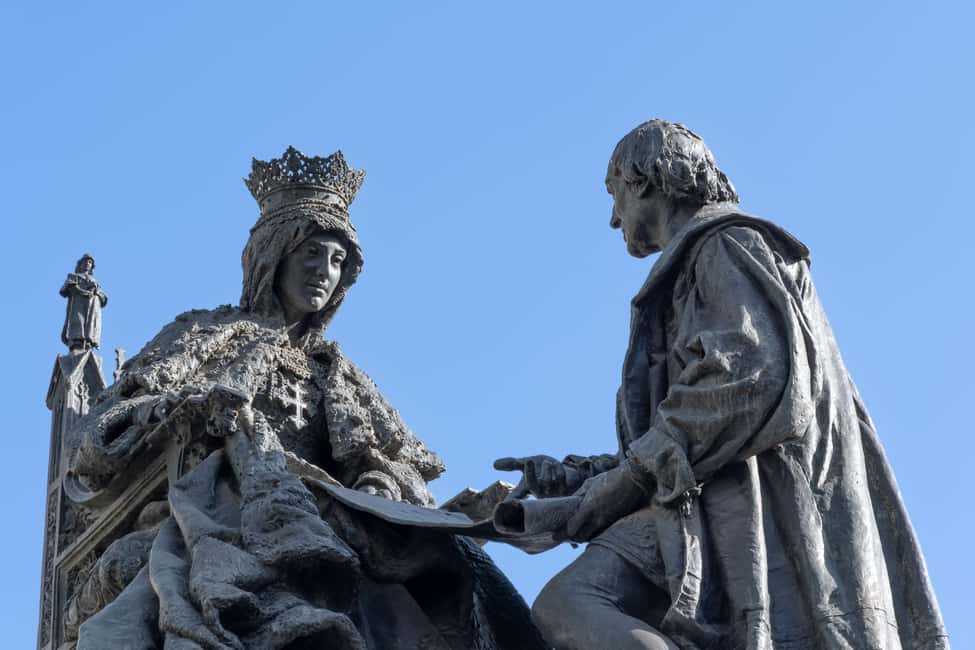
Your starting point is easy to miss only once: stand by the statue in Plaza Isabel la Católica and look for the light blue umbrella. This tour is designed for small groups—maximum 12 people—so the guide can actually steer you through tight streets without herding you like luggage.
The duration is about 2 hours, so expect a steady pace. That’s a good thing if you’re short on time, but it does mean you’ll be moving most of the way rather than lingering for long photo breaks.
Bring comfortable shoes and water. Even on a “short” walking tour, Granada’s streets can include cobblestones and uphill sections, especially once you head toward the viewpoint.
Corral del Carbón: the Nasrid-period alhóndiga you can still see
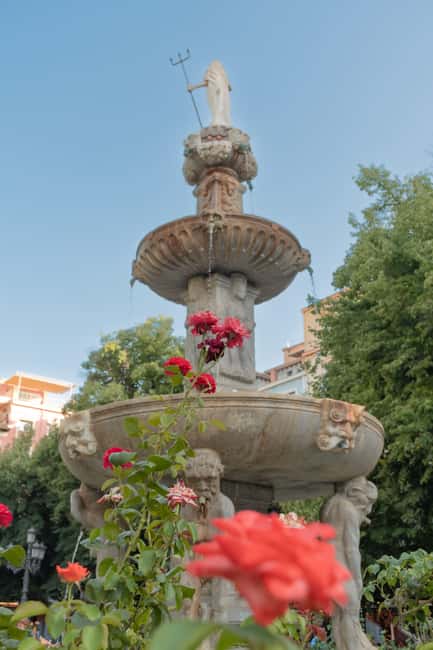
One of the most interesting early stops is Corral del Carbón. The big idea here is preservation: it’s described as the only alhóndiga from the Nasrid period preserved in Spain. An alhóndiga was basically a kind of inn and market storage space tied to trade—so you’re not just looking at a pretty old building.
In practice, this stop sets the tone. You’re learning Granada’s history through the places where commerce and movement happened, not only through palaces and churches. It also helps you understand what you’ll see later in the markets and crafts areas.
The guided visit here is worth your attention because it adds meaning to what could otherwise feel like a single monument photo stop. You get the context before the route pulls you into the city’s busier, more public spaces.
Alcaicería and Plaza Bib-Rambla: crafts, souk energy, and sweet stops
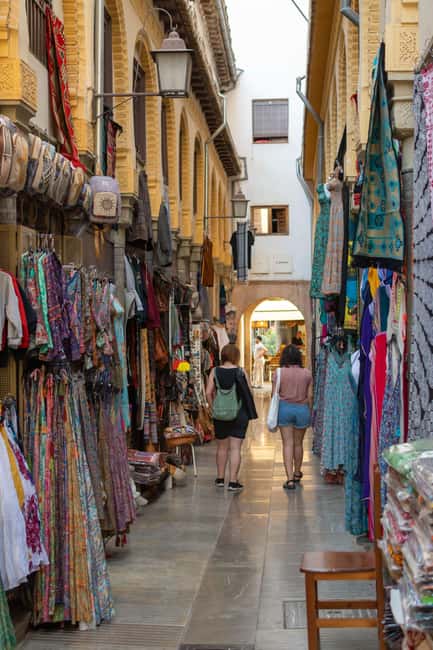
Next up is the Alcaicería, Granada’s historic old souk (think market district). The tour frames it as a place that can transport you to forgotten times—especially if you’ve ever wandered Marrakech’s market streets. You’re not just walking through “old shops.” You’re seeing how luxury trade and artisan work shaped Granada.
A detail worth noting: this route specifically connects the market area to crafts you can buy, including inlay work and fajalauza (traditional Granada luxury crafts). Even if you’re not shopping, it helps to know what kind of goods this area historically sold, because it changes the way you read the buildings around you.
After that, you land at Plaza Bib-Rambla, a central square where plenty of stories cluster. The tour even points you to the practical reality of the place: it’s known for chocolate and churros. That’s useful because after a couple of market streets, a short snack break helps you keep your energy for the uphill Albayzín segment.
Granada Cathedral and the Royal Chapel: three styles, medieval graffiti, and royal power
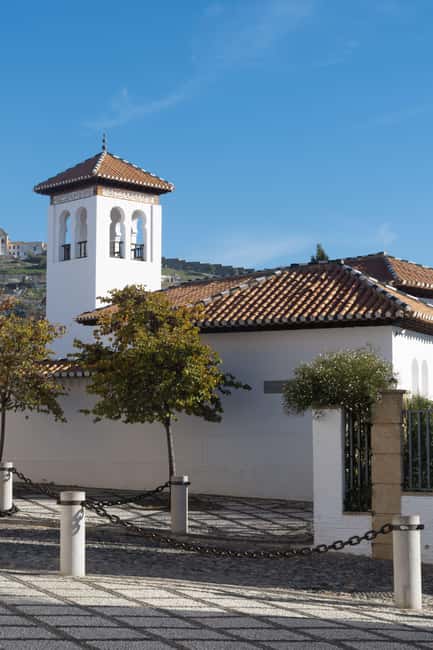
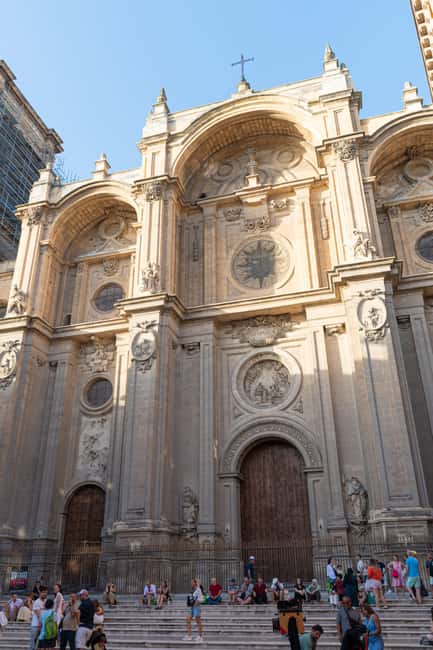
Then the tour turns more monumental. Granada Cathedral is presented as a blend of three different architectural styles. That’s an important detail because Granada isn’t one single “era look”—it’s layered, and you can literally see the layering in the building.
The tour also highlights something fun and human: medieval graffiti on the Cathedral walls. That’s the kind of detail that makes old places feel real. Instead of treating the Cathedral as untouchable stone, you start noticing the marks of actual people who were there centuries ago.
From there you visit the Royal Chapel of Granada, described as the mausoleum of the Catholic Monarchs, with the Madrasa right in front of it. This pairing helps you understand how religious and political power sat close to education and public influence. It’s one of those “why are these buildings so close” moments that turns your sightseeing into understanding.

La Madraza, Carrera del Darro, and the Bañuelo/Museum focus
After the big religious stops, you move toward La Madraza, a step that keeps the history moving rather than repeating the same cathedral-and-church vibe. The Madrasa is a key clue for understanding Granada as a place of learning and civic identity—not just ruling and worship.
Then you head to Carrera del Darro, a street the tour uses as a storytelling spine. This is where the walk starts to feel more like Granada’s day-to-day geography: the street layout, the way you see the bend of buildings, and the sense that you’re gradually working your way toward the older hillside neighborhood.
The tour includes discussion around the Bañuelo and the Archaeological Museum area along this route. Even if you don’t treat every stop like a museum session, the guided conversation helps you connect the dots between architecture, artifacts, and the way people lived and used public spaces.
The Albayzín climb and Aljibe De Trillo: viewpoint build-up with real texture
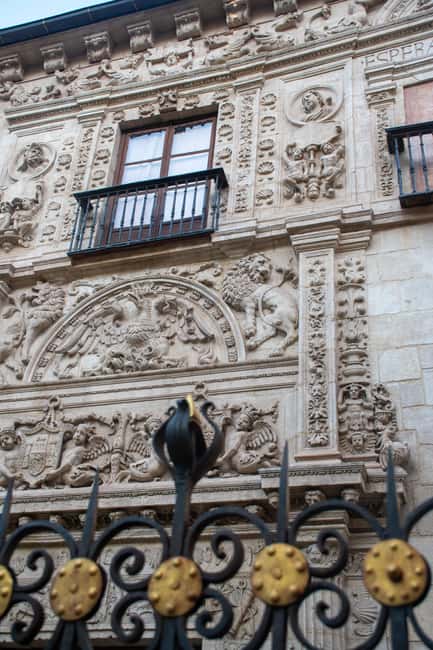
Beyond Gran Vía, you reach Albayzín, and the tour leans into the neighborhood’s defining feature: narrow, labyrinthine streets steeped in Granada’s history. This is where the UNESCO value shows up in your feet, not just on a sign.
You also start climbing. One of the practical realities you’ll feel here is that some of the walking surfaces can be tougher—cobblestones and steps—so pacing matters. Plan to go at the guide’s speed. If you stop suddenly to take photos, you might slow the group or miss the explanation you came for.
A later stop is the Archaeological Museum of Granada visit (guided). This helps balance the emotional “wow, this neighborhood is old” feeling with something more concrete: objects and evidence that support the stories you heard earlier.
Then there’s Aljibe De Trillo. An aljibe is a water cistern, and including it in the route is a smart move because water management was a survival skill in hillside cities. It’s not always the flashiest stop, but it’s exactly the kind of detail that makes Albayzín feel lived-in rather than postcard-only.
Mirador de San Nicolás: where the walk pays off
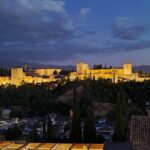
The tour finishes at Mirador de San Nicolás, and this is the moment most people hope for. The viewpoint is famous for wide views toward the Alhambra, and you get that big-picture payoff after the climb.
This is also where your timing matters. If you’re traveling in peak hours, try to arrive with patience—views are great, but viewpoints are also where crowds gather. Give yourself a few minutes to find your angle, then listen to the guide’s final wrap-up so you connect the view back to what you’ve been walking through.
If you want photos, hold them until you’ve heard the explanation. The best images come when you understand what you’re looking at—then you know where to aim your camera.
Price and included value for $17
At $17 per person for a 2-hour guided walking tour, this is strong value if you want context without spending your entire day inside ticketed attractions. You’re buying:
- guided explanation from a local and official guide
- a small group (max 12)
- headsets for groups of 6 people and up
- guided visits through key citycenter and Albayzín stops
What you’re not buying: tickets to monuments, plus food and drinks. That means the tour is structured around seeing places and learning their meaning, but you’ll need to budget separately if you want paid entry at specific sites.
In other words, this tour is an excellent “orientation and storytelling” option. If you’re also planning later independent time at the Alhambra or other ticketed sites, this helps you make those visits smarter.
Who this walking tour suits best (and who should skip it)
This tour is ideal if you:
- want to cover the main highlights of Granada Citycenter plus Albayzín in a short time
- like guided context with a bit of culture talk (not just photos)
- prefer small groups where the guide can answer questions
- want headset audio so you don’t miss details while walking
It’s less suitable if you:
- need wheelchair access (it’s not suitable for wheelchair users)
- rely on baby strollers (not allowed)
- struggle with uneven streets and uphill climbs (you’ll be walking on older surfaces and climbing to the viewpoint)
If you’re fit and enjoy walking, you’ll likely find the route gives you a complete Granada sense in just a couple of hours.
Should you book this tour?
I’d book it if you want a guided route that connects Granada’s major monuments to the city’s everyday historic life, then delivers a real payoff at Mirador de San Nicolás. For $17, you’re getting a focused, small-group experience with headsets and a guide who can keep the story clear while you move through the streets.
Skip it if you want a relaxed, mostly flat walk, or if mobility/access needs make stairs and cobblestones a problem. Otherwise, this is a practical way to understand Granada beyond the Alhambra—without turning your day into a long, exhausting marathon.
FAQ
How long is the Granada Citycenter and Albayzín tour?
The tour lasts 2 hours.
Where do I meet the guide?
Meet at Plaza Isabel la Católica. Look for the light blue umbrella next to the statue.
Is the tour price $17, and what’s included?
The price is $17 per person. Included are the guided tour, a small group (max 12), and headset from 6 people.
Are monument tickets included?
No. Tickets to the monuments are not included.
What’s the tour end location?
The tour ends at Mirador de San Nicolás.
What language is the tour offered in?
The live guide speaks English and Spanish.
Is food or drink included?
No. Food and drinks are not included.
Is it accessible for wheelchair users or strollers?
It’s not suitable for wheelchair users, and baby strollers are not allowed.
What should I bring?
Bring comfortable shoes and water.