REVIEW · FLAMENCO SHOWS
Granada: Traditional Flamenco Show at Tablao Casa Ana
Book on GetYourGuide →Operated by Tablao Flamenco Casa Ana · Bookable on GetYourGuide
An hour of flamenco hits hard. Tablao Casa Ana turns a ticket into a close-up look at real Andalusian performing craft in Granada’s historic center. I love the way the show keeps everyone in the spotlight: singer, guitarist, and dancers work as one unit. I also like that the venue is small, so the mood feels immediate, not distant. One drawback to consider: the show is in Spanish, and if you want an English-running narrative, you may have to lean on the music and emotion instead.
Inside the room, the production details matter. Expect a curtain reveal for the artists, plus dynamic lighting and immersive sound that make the rhythms feel physical. If you’re sensitive to lighting or want the best sightlines, pick your seat carefully—one guest noted a bright light near the stage from the front row.
In This Review
- Key things to know before you go
- Tablao Casa Ana: an intimate Granada flamenco stage
- What to expect: curtain reveal, lighting, and sound
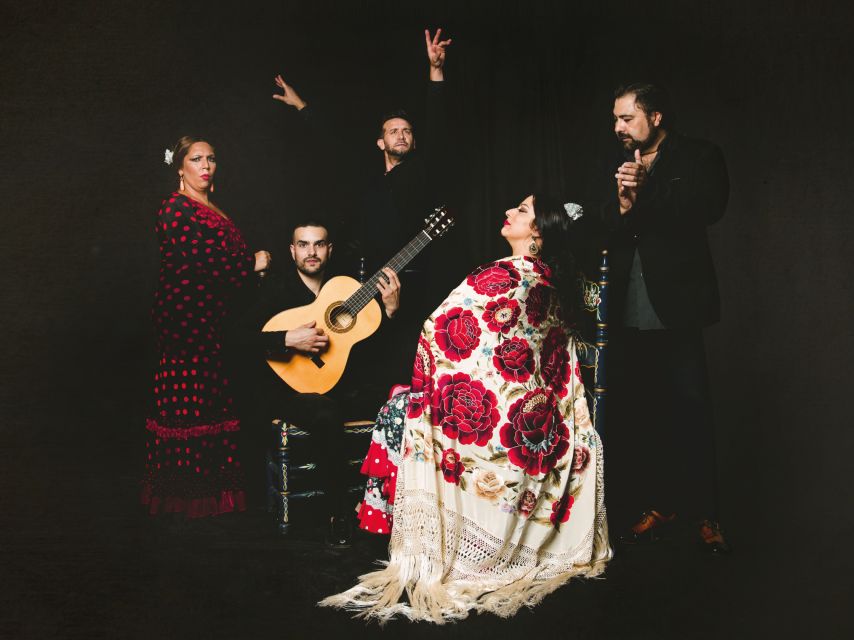
- The flamenco lineup: guitar, singing, and dancers in close quarters
- Tradition and authenticity: what UNESCO-listed flamenco means here
- Price and value: is $21 a good deal for Granada flamenco?
- Timing and check-in: make it easy on yourself
- Seat strategy and practical comfort tips
- Who this flamenco show fits best
- Should you book Tablao Flamenco Casa Ana in Granada?
- FAQ
- How long is the flamenco show at Tablao Casa Ana?
- What do I need to bring or show for admission?
- Is the show wheelchair accessible?
- Are drinks included in the ticket price?
- What language is the show in?
- Is it suitable for young children?
Key things to know before you go
- Small tablao, big feeling: An intimate hall that helps the performance land fast.
- Curtain reveal style: The show starts with a theatrical entrance, then quickly becomes up-close.
- Guitar + song + dance together: You get the full flamenco triangle—guitar, singing, and dancers.
- UNESCO-recognized tradition: Flamenco is presented as a pure form of this living intangible heritage.
- Professional energy all the way through: The skill and momentum are praised across the cast.
- Drinks are extra: Admission covers the show only; a bar is available for drinks.
Tablao Casa Ana: an intimate Granada flamenco stage
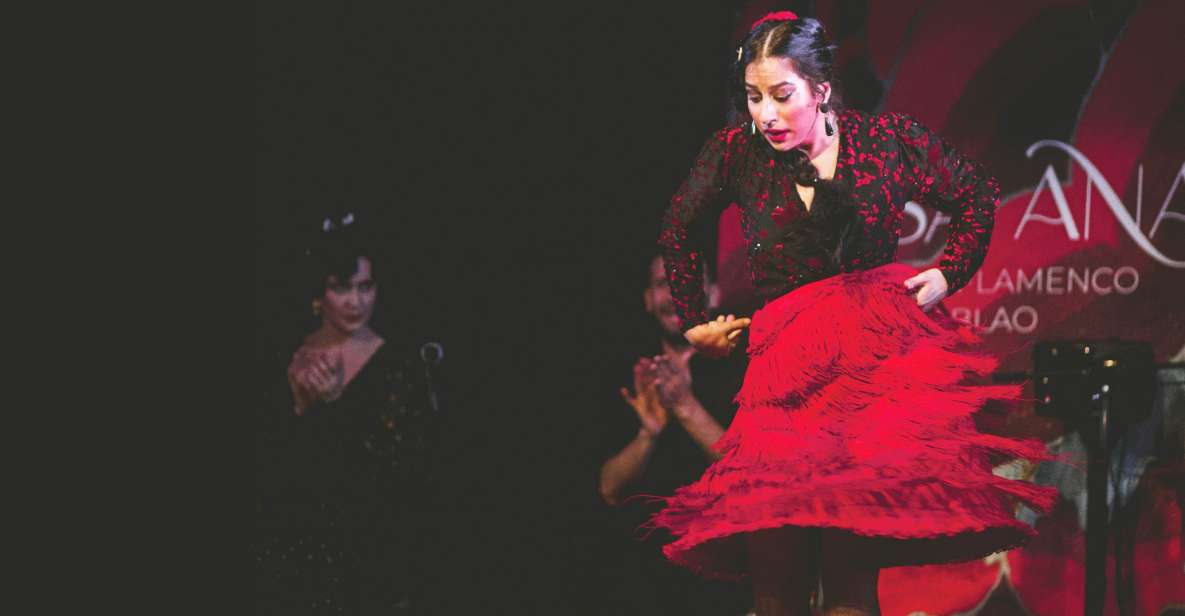
Tablao Flamenco Casa Ana sits right in Granada’s historic center, which means your evening starts with the feeling that you’re stepping into the city’s rhythm, not a distant entertainment zone. The biggest advantage here is size. This is the kind of venue where you can tell the difference between stage music and performance music—flamenco doesn’t sound like background; it sounds like a conversation.
The show lasts about 1 hour. That matters more than it sounds. A tight performance keeps attention from wandering and helps you notice the small changes: a guitarist’s urgency, a singer’s phrasing, or a dancer’s timing shifting from strong to controlled. It’s also a smart fit for visitors who want culture without surrendering the whole night.
Before the performance, plan to check in at the reception with your digital voucher 30 minutes before showtime. This buffer gives you time to find your seat, use the restroom, and settle in. Because the space is small, arriving late usually costs you the best part of the setup.
You can also read our reviews of more tours and experiences in Granada

What to expect: curtain reveal, lighting, and sound
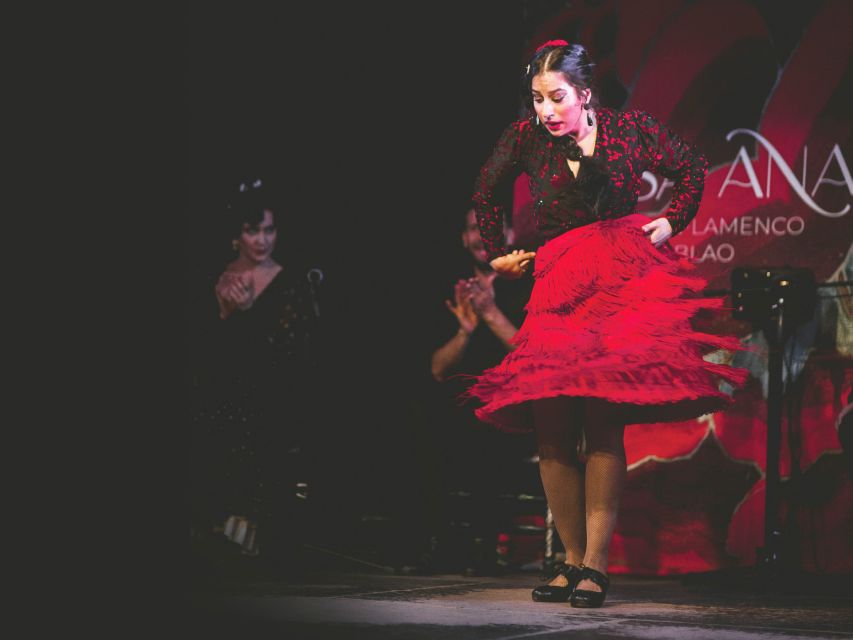
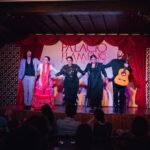
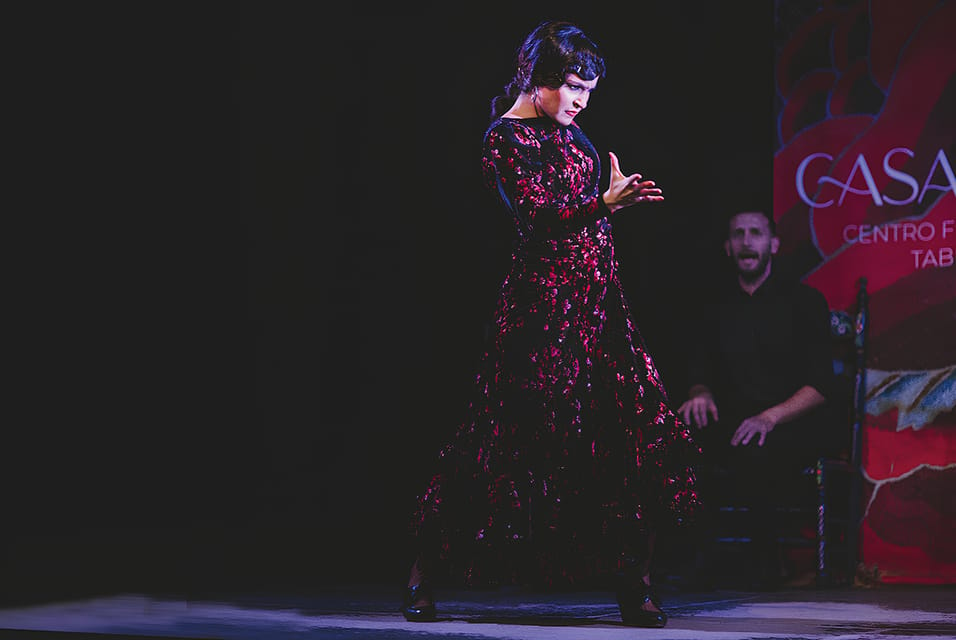
Casa Ana’s staging is classic tablao—simple, focused, and built around the artists. You’ll see a curtain that reveals the performers, then the room shifts into performance mode. The venue uses dynamic lighting and immersive sound, and that changes how the rhythms hit your body. Flamenco is percussive. You feel it in the taps, the guitar attacks, and the singer’s intensity, not just in the volume.
A useful expectation-setting detail: the atmosphere isn’t stiff. One guest described the show as improvised, with artists visibly in a state of flow with each other. Even if you don’t speak Spanish, you still follow the structure: the guitar supports, the singer lands the emotional weight, and the dancers translate that into movement.
Also, the show setup encourages attention. For example, one guest noted that cellphones were kept away and photography/video was only allowed during a later moment. Don’t count on this as a guaranteed policy, but it’s a good mindset: treat it like a live performance, not a content shoot.
The flamenco lineup: guitar, singing, and dancers in close quarters
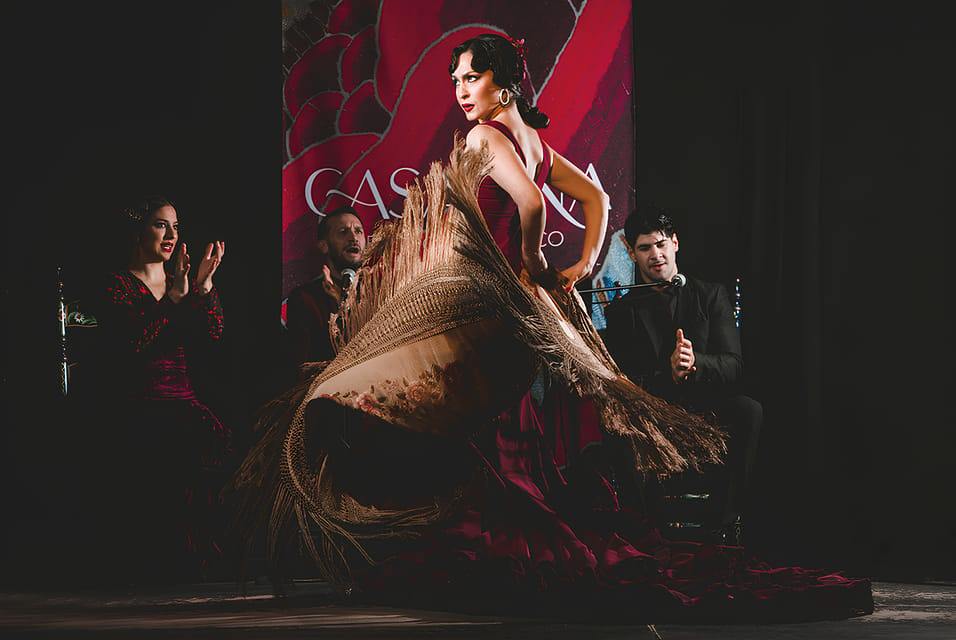
This is a full flamenco experience, not a sampler. You’ll typically see the core roles together:
- Guitarist: Often the emotional engine. When the playing speeds up, everything else follows.
- Singer: The voice carries the story. It may be hard to translate line by line, but the feeling lands.
- Dancers: The choreography can swing between raw power and more stylized elegance.
The reviews repeatedly praise that every performer contributes something distinct, not just one star. That’s exactly what makes tablao flamenco work. In a bigger theater, one person can dominate by sheer volume. Here, the balance matters.
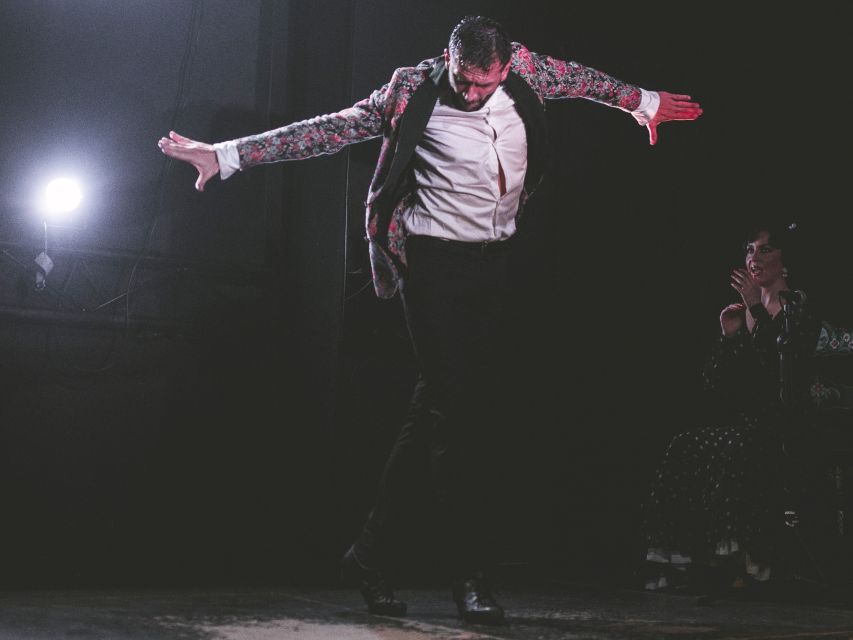
Names that stood out in the performances include Raimundo Benitez (specifically praised for amazing dancing), and guitarists like Marcos Palometas, who was mentioned for a solo that moved someone to tears. Dancers Jose Nunez and a female dancer named Saray also came up in glowing terms. Even when you don’t know the names ahead of time, these comments hint at the same pattern: the cast is strong across categories.
A practical thought if you’re a first-timer: flamenco isn’t only steps. Watch for the dialogue between roles. When the singer changes intensity, you’ll often see the dancer respond immediately. When the guitarist shifts rhythm, it gives the dancers cues for timing. That’s the value of a small venue—you notice the back-and-forth.
Tradition and authenticity: what UNESCO-listed flamenco means here
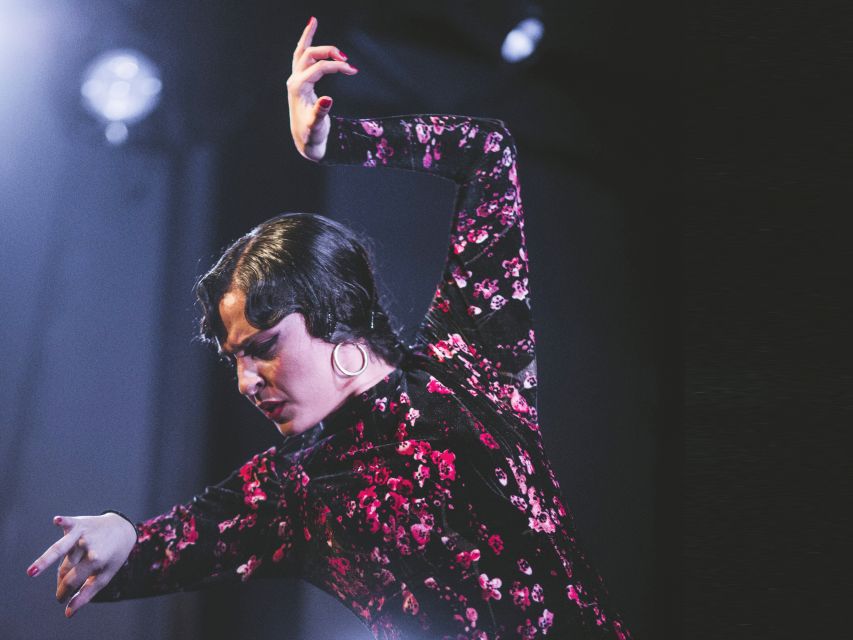
Flamenco is often sold as a tourist show. Casa Ana frames it as tradition: the highlights emphasize the purity and respect for flamenco, and the activity info points to flamenco as UNESCO-recognized intangible cultural heritage.
So what does that mean in real life? For you, it usually means fewer distractions and more focus on the fundamentals: rhythm, voice, and dance. You’re not watching a script with a lecture attached. You’re watching artists preserve a form that lives in real performance culture.
One guest specifically described the show as authentic and felt it had real integrity. Another described different dance styles on stage—one dancer with a raw, intense approach and another with more stylized, elegant movement. That’s a sign the show isn’t trying to make flamenco “smooth” for outsiders. It’s showing contrasts that are part of the tradition.
Could you see a less-than-perfect match if you’re picky? Maybe. One review noted the dance pairing felt more separated at times, with mainly male or female dance rather than constant shared moments. That’s not necessarily wrong—flamenco performance choices can vary by artist and moment—but it’s worth knowing if you came specifically hoping for nonstop duet dynamics.
Price and value: is $21 a good deal for Granada flamenco?
At $21 per person for admission to a 1-hour show, the math is pretty straightforward: you’re paying for live performance and close access, not a multi-course night or a lengthy event. The value question is really this—does the show feel “worth it” for the time?
From what you’re told and what guests emphasize, the answer is yes. The cast’s skill and energy are repeatedly singled out, and the room’s intimacy boosts the sense that your ticket is buying proximity and atmosphere, not just a seat in a larger crowd.
Drinks aren’t included, but there’s a bar. One guest mentioned having sangria during the show. Another said drinks were reasonably priced, and they also praised the staff and reception. So you can plan your budget like this: ticket first, then add drinks only if you want them.
Where it may not be the best value: if you’re the type who wants an English explanation of every musical form, you might find yourself wishing for subtitles or a guide. The show info only lists Spanish for language. Also, if you expect a super long evening with lots of between-act entertainment, this is a tight 1-hour performance.





Timing and check-in: make it easy on yourself
You’ve got a clean plan here. You’ll show your digital voucher at the reception 30 minutes before the show. Arriving early helps because the venue is in the historic center and the room is intimate. You don’t want to rush right before a performance built on attention and rhythm.
The activity lasts 1 hour, and you can check availability for starting times. If you’re juggling dinner plans in Granada, this show can work well as an anchor: eat before (or after), then let the performance fill the middle.
If you’re sensitive to tight schedules, build in a little extra walking time. Granada’s center can be charming and occasionally confusing, especially in the evening when you’re not focused on street names.
Seat strategy and practical comfort tips
This is a “pick your seat well” situation. One guest reported a very bright light on the right side of the stage that made it harder to see from the front row. That doesn’t mean every seat has a problem, but it does mean front-row isn’t automatically perfect.
Here’s how to use that information wisely:
- If you have a choice, prioritize comfort and sightlines over the fantasy of being closest.
- If you’re photos/video-minded, remember that some venues ask you to put phones away for part of the show, then allow recording later. Don’t count on filming throughout.
Comfort also matters because the room is small. Wear something you can move comfortably in—flamenco rhythms tend to make you want to shift in your seat.
Wheelchair accessibility is noted, so the venue is set up to welcome guests who need that.
Who this flamenco show fits best
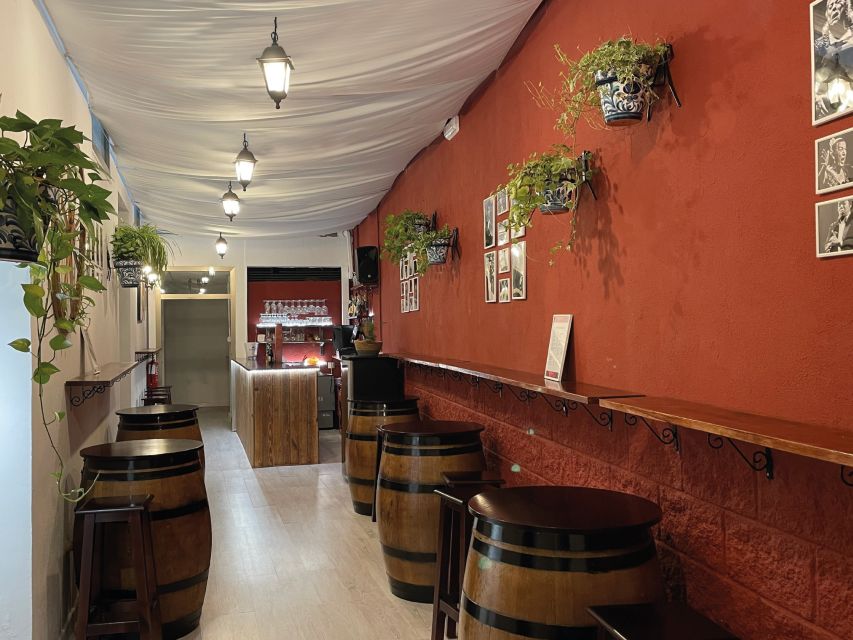
This experience is ideal if you want a genuine Granada flamenco night with minimal fuss. It’s also great if you’re new to flamenco. Several reviews highlight how engaging and emotional the performance was even for first-timers, and one person described it as a truly memorable introduction to Spain.
It also fits well for:
- Couples looking for a shared cultural experience
- Solo travelers who want a focused evening activity
- Music and dance lovers who care more about craft than big-stage spectacle
Limitations to match expectations:
- Children under 6 aren’t suitable, based on the activity rules.
- The show language is Spanish, so don’t expect an English explanation unless you already understand the general emotional language of flamenco.
- If you’re expecting a huge cast or constant group choreography, note that one review suggested the dance moments leaned more toward one style or gender at a time.
Should you book Tablao Flamenco Casa Ana in Granada?
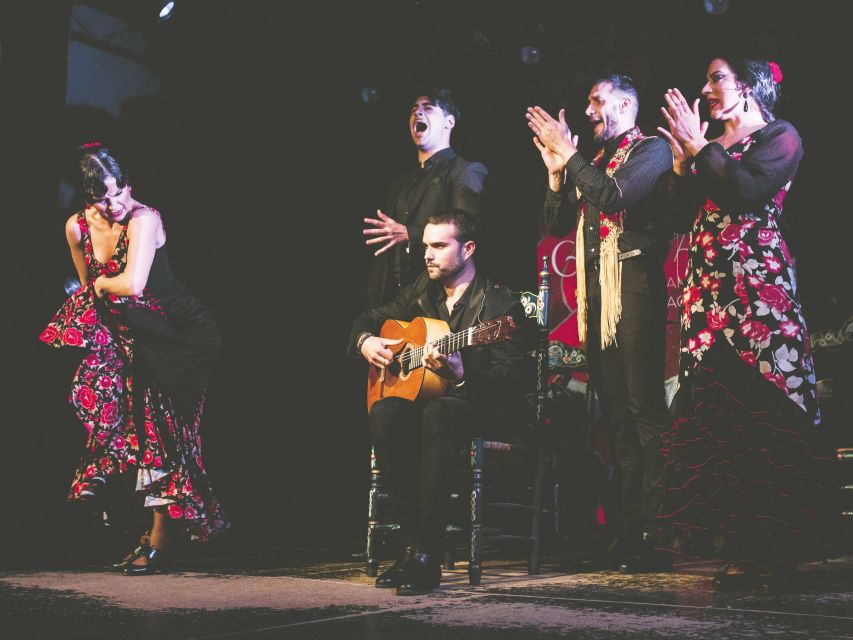
I’d book it if your priority is live flamenco performed with intensity in a close, traditional setting. The combination of a small venue, strong musicianship, and dancers praised for both power and style is a winning mix for a 1-hour evening.
I’d hesitate if you need an English-language narrative, or if you’re extremely sensitive to lighting and sightline issues. Even then, you can reduce risk by choosing your seat carefully and going in ready to watch the story happen through music and movement.
If you want a dependable Granada night that feels like you’re stepping into an authentic cultural practice—rather than just checking a box—Tablao Casa Ana is a solid call.
FAQ
How long is the flamenco show at Tablao Casa Ana?
The performance lasts 1 hour.
What do I need to bring or show for admission?
Show your digital voucher at the reception 30 minutes before the show.
Is the show wheelchair accessible?
Yes, the venue is listed as wheelchair accessible.
Are drinks included in the ticket price?
No. Admission includes the flamenco show ticket only. Drinks are available separately at the bar.
What language is the show in?
The show is Spanish.
Is it suitable for young children?
It is not suitable for children under 6.