REVIEW · HIKING & CANYON TOURS
Hiking experience in the High Sierra Nevada National Park
Book on Viator →Operated by Sierra Nevada Guides · Bookable on Viator
A mountain day above Granada can reset your head fast. This hike takes you from city streets to high Sierra slopes for glacial valleys and big north-face views. I really like that it’s built for a small group, with a guide who sets the pace and keeps you safe on rocky ground.
You’ll also get a history-and-nature combo that feels very specific to this place: Posiciones del Veleta fortifications from the Spanish Civil War, plus a chance at mountain goats, eagles, and migratory birds. My only caution is practical: the ascent is steep and the ground can be slick, so plan for solid grip and pack smart with altitude in mind.
Expect about 7 hours total with driving and a serious climb. You’ll start around 2,500 m / 8,200 ft and go up toward 10,000 ft+, where the air feels thinner and breaks matter.
In This Review
- Key points before you go
- Getting from central Granada to the Sierra Nevada road fast
- San Juan Valley: glacier-made scenery and wildlife odds
- Posiciones del Veleta: war fortifications with snowfield views
- Tajos del Campanario: the steep finish and the 10,000 ft+ reality
- How the UIMLA guide style affects your whole day
- What you’ll actually need to bring (and what you don’t)
- Weather and seasonal expectations in the Sierra Nevada
- Value check: is $71.35 a fair deal?
- Who should book this hike (and who should think twice)
- Should you book Sierra Nevada Guides for Tajos del Campanario?
- FAQ
- How long is the full-day hike?
- Where do I meet in Granada?
- What time does the tour start?
- How many people are in the group?
- Do I need hiking boots, or are sneakers OK?
- Is food and drink included?
- What if the weather is bad?
Key points before you go
- Small group (max 8): you’re not lost in a crowd on steep sections.
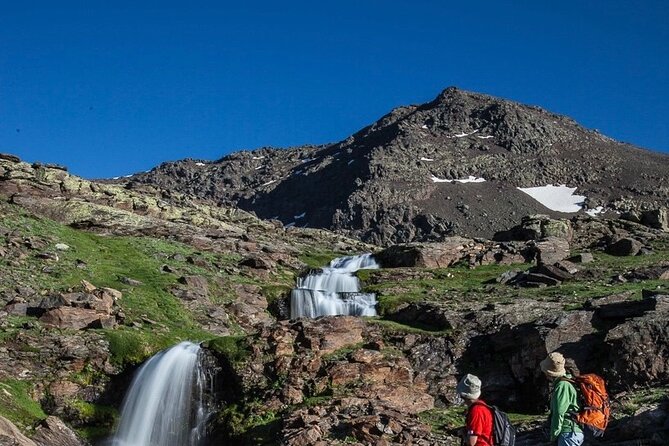
- San Juan glacial valley: flowing water, wildflowers, and rock shaped by ice.
- Posiciones del Veleta history: Spanish Civil War fortifications with snowfield views.
- Tajos del Campanario goal: the payoff is seeing Mulhacén, Veleta, and Alcazaba from above.
- Guide support on real terrain: you’ll hike as a group, with pacing and stops.
- You’re responsible for fuel: food and drinks are not included, so bring lunch snacks and water.
Getting from central Granada to the Sierra Nevada road fast
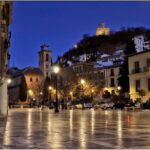
Pickup is from Plaza de Mariana Pineda at 9:00 am, and you’ll ride out of the city to the trail area near the top of the Sierra Nevada road. This matters because it gets you hiking at altitude without wasting your time on transfers and slow bus connections.
The ride itself is part of the experience. As you gain elevation, the air changes, the temperature usually drops, and the terrain turns from “nearby mountains” into full-on high Sierra.
If you tend to get travel-wobbly, this is a good day to wear layers. Even if Granada feels hot, the hike area can be cooler and windy at the top.
You can also read our reviews of more hiking tours in Granada
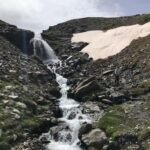
San Juan Valley: glacier-made scenery and wildlife odds
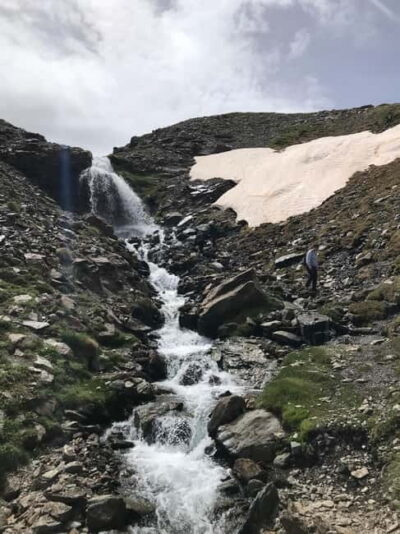
Once you start, the first big wow factor is the Valley of San Juan. You’ll walk through a glacial valley where ice has carved the rocks over a long time, so the shapes are sharp and the water runs in lively channels.
This section is also where the trail gives you constant visual reward without needing technical scrambling. You’ll pass spots with flowing water, glacial details you can actually notice on the ground, and wildflowers when conditions are right.
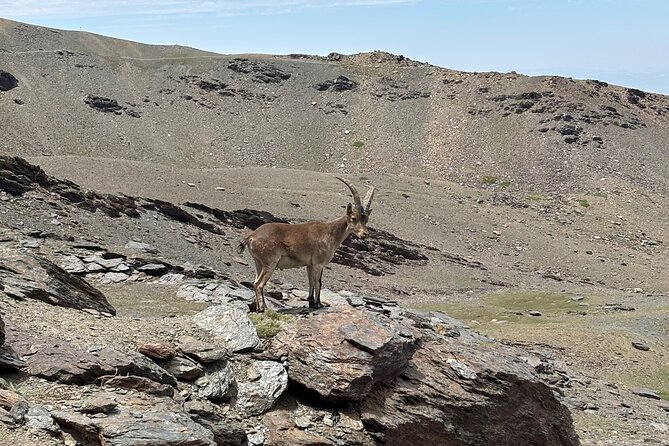
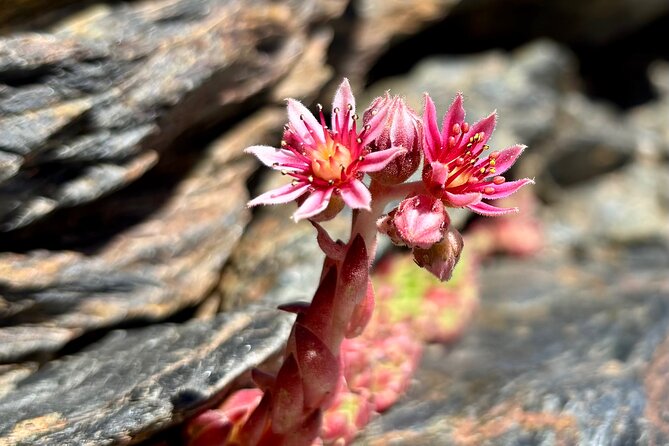
Wildlife is not guaranteed, but this is one of the best parts of the day for it. The area can host mountain goats, eagles, and migratory birds, plus insects and plants that are special to the Sierra Nevada environment.
What to watch for: the combination of sun and shade. The valley can feel pleasant, then you hit brighter, more exposed stretches where sunscreen and hat matter again.
Posiciones del Veleta: war fortifications with snowfield views
Midway up, you reach Posiciones del Veleta, a zone with Spanish Civil War fortifications. This is one of those moments where the mountain stops feeling like scenery and starts feeling like a chapter in European history.
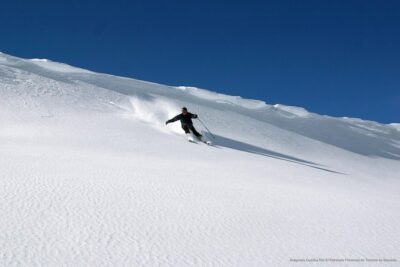
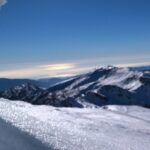
You’ll pause for views over the northern face of Sierra Nevada, including year-round snowfields. Even when you don’t see much snow on the walk itself, the sightline from here gives context for why this range is treated like a serious high-alpine system.
The payoff for this stop is twofold. You get a mental break from effort, and you also get a better sense of direction and what you’ll be hiking toward—especially with the peaks layered in the distance.
Tajos del Campanario: the steep finish and the 10,000 ft+ reality
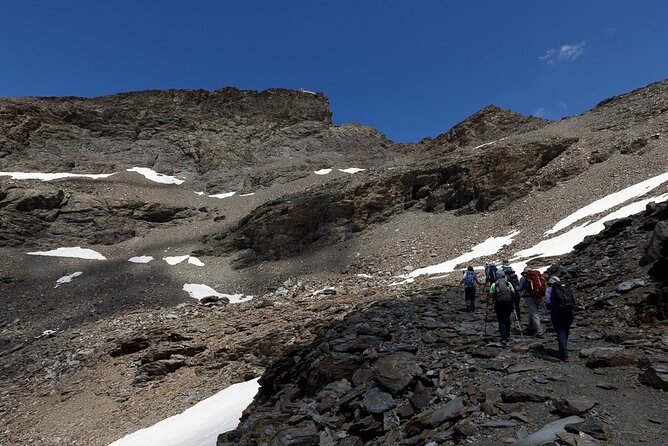
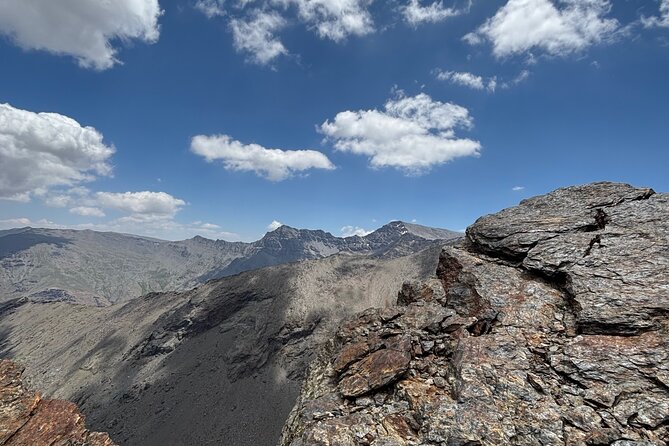
The main goal is Tajos del Campanario, reached after gaining more than 10,000 ft / 3,000 m. This climb is the part that separates a casual walk from a day hike that truly tests your legs.
The terrain is mostly hiking, but it’s rocky and sometimes uneven. Several people doing this route emphasize how slippery loose rock can get, especially if weather turns. If you’re choosing between comfort and stability, pick stability.
The summit-area reward is big: you’ll see the north face of Mulhacén, Veleta, and Alcazaba. Those names mean more once you’re above the surrounding ridges, because the slopes and cliffs read like a map.
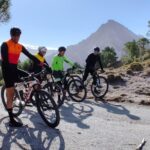
On this final push, your best tool is a patient pace. The guide sets rhythm for the group and builds in stops, and that turns a “hard part” into a “manageable effort.”
How the UIMLA guide style affects your whole day
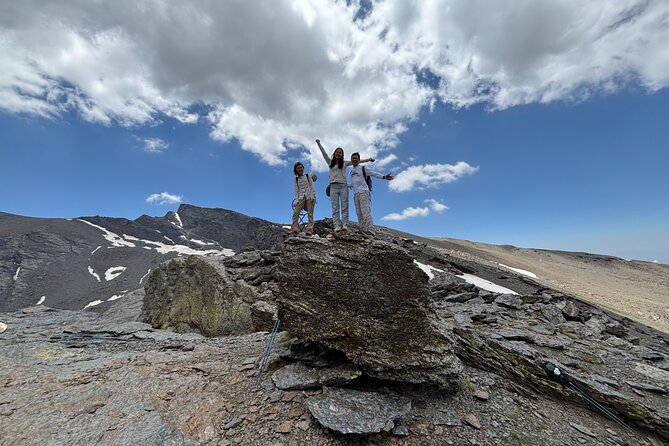
Your guide is listed as a UIMLA mountain guide, and that shows in how the hike runs. The biggest practical benefit is pacing: you won’t just be dragged up a trail at one speed.
Expect to stop often enough to regroup, breathe, and take photos without feeling rushed. That matters because altitude fatigue can make you feel like you’re falling behind even if you’re not.
A nice bonus in the experience is the guide’s attention to details beyond the obvious view. People highlight explanations about flora and fauna, plus geology and how the valley was shaped.
You might also encounter a friendly canine companion on some days. One guide frequently associated with this tour is Jaime, and his dog Kai shows up in multiple accounts, creating a relaxed vibe during breaks.



What you’ll actually need to bring (and what you don’t)
Food and drinks are not included (unless specified), so plan as if you’re on a long high-altitude hike. Bring lunch snacks and water—people strongly suggest packing enough for the whole day, not just the first hour.
Water is the big one. A common practical target is around 1.5 to 2 liters, especially if you’re hiking uphill for hours.
Even if you wear light clothes at the start, the top can feel brisk with wind. The tour notes that warm clothes can be provided, which is helpful, and guides may also lend extra layers when conditions are worse than expected.
Footwear is the main “don’t overthink it, but do respect it” decision. The tour says trainers are OK, but many people still recommend trail shoes with ankle support for rocky and potentially slippery ground. If you only have soft-soled sneakers, consider renting shoes early or bringing something grippy.
For the “hands and balance” part: hiking poles are included, and they make a difference on steep sections. If you’re a pole person, bring your own or be ready to use the provided ones, especially when traction gets questionable.
Weather and seasonal expectations in the Sierra Nevada
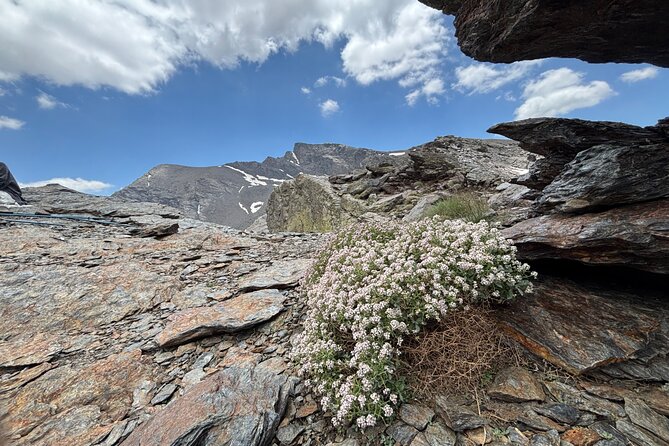
This hike depends on good weather. The mountain also has a way of changing the day, turning calm into wind and chills near the top.
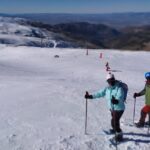
Several accounts mention snow present on upper slopes at times, and that extra cold gear can become necessary fast. Layering solves a lot here: breathable base, a warm layer, and something wind-resistant.
If you see snow or ice patches, treat it as a “slow down and breathe” moment. The goal isn’t speed; it’s staying stable while your legs and lungs adjust.
Value check: is $71.35 a fair deal?
Price is $71.35 per person, and the value comes from what’s included beyond the hike itself. You’re paying for private transport from central Granada, a UIMLA guide, liability insurance support, and gear basics like hiking poles and warm clothing when needed.
You also get the small-group factor (up to 8 people), which usually translates to less waiting, better attention on uneven terrain, and more time actually enjoying the stops. If you were to hire a private guide, pay for transport, and manage gear rentals yourself, the math often shifts quickly.
The one thing not covered is the simplest part: your food and drink. So your true cost is the day’s lunch and water, not just the ticket price.
If you pack well and show up with decent fitness, this feels like a solid value for a full Sierra Nevada day that includes both nature and viewpoint history.
Who should book this hike (and who should think twice)
This is a good match if you:
- want a full-day outing that feels like it actually gets you out of the city
- enjoy moderate-to-challenging uphill walking at altitude
- like learning as you hike, not just walking to a view
- can handle rocky terrain without needing flat, easy trails
Think twice if you:
- want a gentle stroll with no steep climbing
- hate altitude effects (thin air hits fast for some people)
- rely on rentals last minute for boots or extra gear, because availability can be inconsistent
The tour fits best with travelers who want a real workout and a meaningful payoff: glacier-shaped scenery, fortifications, and a summit view that makes the Sierra Nevada feel huge.
Should you book Sierra Nevada Guides for Tajos del Campanario?
I’d book this if you’re looking for a day that mixes big effort with specific places: San Juan glacial valley, Posiciones del Veleta history, and the Tajos del Campanario viewpoint over peak faces. It’s the kind of hike where the scenery isn’t just pretty, it’s understandable—ice carved it, humans built forts here, and the peaks look different from up close.
Do it with a little homework. Bring solid grip shoes (or at least something with dependable tread), pack enough water, and bring lunch like you mean it. And if you’re sensitive to cold or snow, plan to layer up even if Granada starts warm.
If all you want is an easy hike, look elsewhere. But if you can handle a steep, rocky day with breaks and want real Sierra Nevada air in your lungs, this is a strong pick.
FAQ
How long is the full-day hike?
The experience runs for about 7 hours total, including driving time and the time spent hiking through the Sierra Nevada area.
Where do I meet in Granada?
You meet at Plaza de Mariana Pineda (Centro, 18009 Granada), with pickup arranged from central Granada.
What time does the tour start?
The start time is 9:00 am.
How many people are in the group?
The hike is a small-group tour with a maximum of 8 travelers.
Do I need hiking boots, or are sneakers OK?
Sneakers or trainers are OK according to the tour info. Still, the route can be rocky and sometimes slippery, so supportive footwear is a smart choice.
Is food and drink included?
No. Food and drinks are not included unless specified, so bring lunch, snacks, and water.
What if the weather is bad?
The experience requires good weather. If it’s canceled due to poor weather, you’ll be offered a different date or a full refund.