REVIEW · ALPUJARRA VILLAGES DAY TRIPS
Premium Scenic Daytrip to Alpujarra Villages from Granada (Max 8)
Book on Viator →Operated by Discovering Spain · Bookable on Viator
Granada, then instant mountain villages. This daytrip takes you into the Alpujarra with max 8 guests, guided village walks, and mountain viewpoints that make the Sierra feel close. I also love that the storytelling isn’t just dates and names, it points out Moorish architecture details you can actually spot as you walk.
One thing to consider: the day moves at a friendly but real pace, and language can run bilingual on the ground sometimes. If you need strict English-only narration, it’s smart to ask when you book and be ready with a few backup questions for your guide.
In This Review
- Key highlights worth caring about
- Granada to the Alpujarra in one calm day
- Small-group transport (max 8) and the 9:00 route rhythm
- Stop-by-stop: Puente Nazari, Lanjaron, Capileira, Pampaneira, Fuente Agria
- Puente Nazari de Tablate: a gorge-and-bridge first peek
- Lanjaron: set your pace in the City of Water
- Capileira: the high village and those far-reaching views
- Pampaneira: colorful streets, jarapa shopping, and lunch time
- Fuente Agria: a short stop with an iron-rich tasting payoff
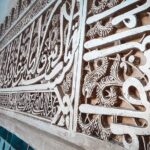
- Moorish architecture and village life, explained on foot
- Price and what is included (and not)
- What to bring and how the day usually feels in the mountains
- Who this tour suits best
- Should you book this Alpujarra daytrip from Granada?
- FAQ
- How long is the Alpujarra villages daytrip from Granada?
- What time does the tour start?
- Where does the tour meet in Granada?
- What language is the tour offered in?
- What’s included in the price?
- Is lunch included?
- What should I bring for the tour?
Key highlights worth caring about
- Max 8 in a comfortable van keeps the stops relaxed, not rushed.
- Guided walking tours in the main villages means you’ll know what you’re looking at.
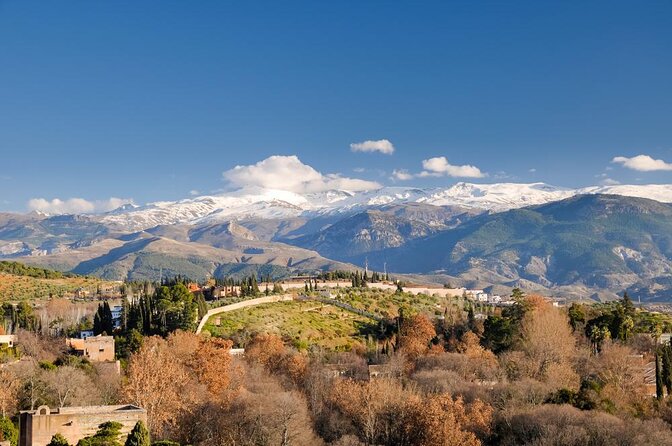
- Capileira’s high viewpoints give you classic Poqueira gorge views and, on clear days, far-off peaks.
- Pampaneira time for jarapa shopping plus lunch on your own schedule.
- Fuente Agria tasting stop with short, memorable detour energy.
- Guides who adjust to the group (including families and mixed-English needs, when possible).
Granada to the Alpujarra in one calm day
This is the kind of trip that breaks Granada’s routine in one morning. You leave city streets behind and head into the Sierra Nevada side valleys, where villages cling to the mountains and the streets feel made for wandering. The payoff isn’t just scenery. It’s how quickly you get a sense of how people lived here, shaped by geography, water, and centuries of cultural influence.
The tour also gives you something most DIY plans struggle with: rhythm. Instead of trying to drive mountain roads solo, you get a comfortable van ride, scheduled viewpoint stops, and guided walking time in the three main villages. It’s a good balance for a one-day window.
You can also read our reviews of more tours and experiences in Granada.


Small-group transport (max 8) and the 9:00 route rhythm
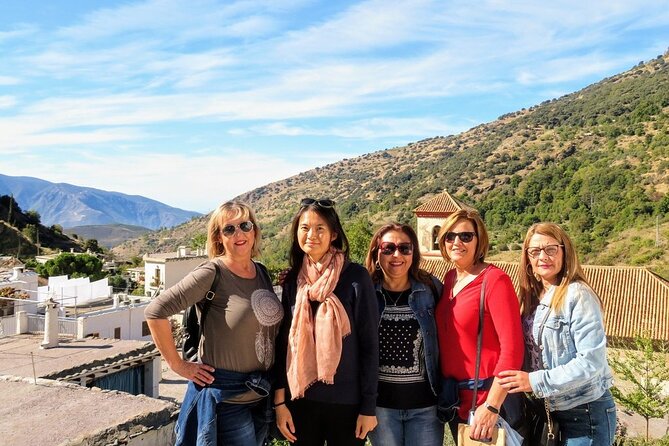
The group size matters more than you’d think. With up to 8 guests, the guide can slow down for questions, help people with the walking parts, and keep the van logistics smooth on winding roads. In real life, that small-group setup is what turns a list of towns into a day that feels tailored to you.
The day is built around a 9:00 am start and ends back at the meeting point in central Granada. That early start is useful here: you get to the higher villages while the light is still forgiving, and you’re less likely to feel like you’re chasing daylight later.
If you’re hoping for a specific guide (like Gonzalo or Carlos), the tour can be led by different staff. Some guides are especially praised for careful mountain driving, humor, and adding small local moments that make the day feel personal—like stopping for a family story or cultural detail that you wouldn’t find on your own.
Stop-by-stop: Puente Nazari, Lanjaron, Capileira, Pampaneira, Fuente Agria
This itinerary is designed like a string of scenes. You’re not just checking off villages; you’re moving through a sequence of valley views, village atmospheres, and short detours that add character.
Puente Nazari de Tablate: a gorge-and-bridge first peek
Your first stop sets the tone. Puente Nazari de Tablate is a historic bridge area tied to how people entered Granada and moved through the region during conflicts. You get a brief moment to take it in—views first, photos second—then you head toward the mountains.
What I like about this opening: it gives you context before you ever reach the villages. When the guide talks about why this gorge mattered, the later village layout makes more sense.
Time on this stop is short (about 30 minutes), so treat it like a viewpoint breather. If you’re the type who hates rushing, this stop is still quick enough that it shouldn’t annoy you.
Lanjaron: set your pace in the City of Water
Lanjaron is known as the City of Water, and that idea fits the Alpujarra setting. The valley has a way of making water feel personal—springs, irrigation, and daily life all tied together.
You get about 30 minutes here. It’s enough time to reset, stretch your legs, and get your bearings for the bigger village walks ahead. If you’re hoping for a long wander with lots of shops, don’t count on it. This one is more about getting into the valley mood.

Capileira: the high village and those far-reaching views
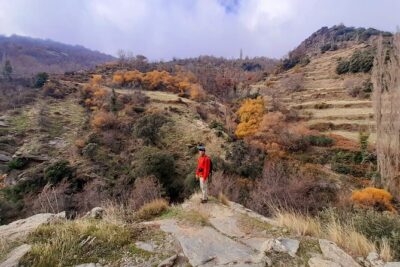
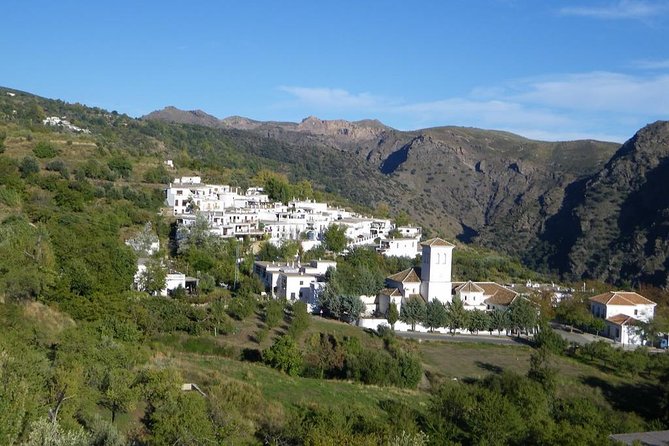
Capileira is the highest of the three main Alpujarra villages on this route, and it shows. Expect big air, wind, and dramatic angles over the Poqueira gorge. On clearer days, you may even catch views that reach toward distant peaks like Mulhacén.
You’ll have about 2 hours in Capileira for walking and exploring, guided through the village. This is usually the segment people remember most because the viewpoints feel cinematic, with mountain walls rising around you.
Practical note: at elevation, conditions change fast. Even if the morning starts mild, bring layers. Wind can make you feel colder than the temperature suggests.
Pampaneira: colorful streets, jarapa shopping, and lunch time
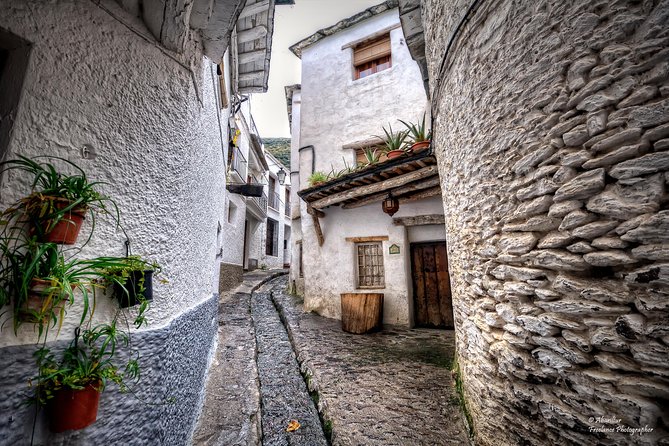
Pampaneira is the “most colorful” and often the easiest village to photograph. You’ll get about 2 hours here, with free time to explore the streets and browse jarapa textile shops (local woven rugs and textiles are a big part of the area’s craft identity).
This is also where the tour gives you lunch freedom. Lunch isn’t included, but the timing gives you enough space to find something you want rather than choosing blindly from a single pre-picked menu. If you like sitting down for local food, this is a good stop to do it.
If you’re traveling with kids or anyone who wants a slower feel, Pampaneira tends to work well because you can walk, peek into shops, and pause without needing long, strenuous routes.
Fuente Agria: a short stop with an iron-rich tasting payoff
Fuente Agria is a quick, specific detour that fits small vehicles only, which means it’s not the kind of place you’d stumble into easily. You can visit and taste the naturally sparkling, iron-rich water.
This stop lasts about 30 minutes. It’s not a big sightseeing block, but it’s one of those small experiences that makes the day feel real and local instead of just scenic.
Moorish architecture and village life, explained on foot
The guide narration is a big part of why this tour can feel more meaningful than hopping between viewpoints. The focus isn’t only history dates. The guide points out building approaches and the way house design responds to mountain living.
Here’s what to watch for on the ground:
- House shapes and layout that reflect slope and climate
- Street patterns that feel practical for walking and daily chores
- The way village centers feel connected to water sources and valley movement
Even better, the guide usually ties it back to the Moorish legacy. That’s where the day stops being “pretty villages” and becomes “why these villages look this way.”
In some departures, guides add personal touches that go beyond the standard script—like sharing a local weaving tradition tied to daily craft, or pointing out a story behind a family home. If you get Gonzalo, Carlos, Manuel, José, or Enrique, you’re in the mix of guides who have been praised for making the day feel alive rather than rehearsed.
Price and what is included (and not)
At $139.13 per person for roughly 8 hours, the real value comes from the bundle: transportation, guided village walks, and planned viewpoint stops that you’d likely spend time figuring out yourself.
Included features you’re paying for:
- Premium van transfer with a max of 8 guests
- Local specialist narration focused on Moorish history and village architecture
- Guided walking tours in the principal towns
- Mountain vista stops
- Insurance coverage for the tour and transport
- Mobile ticket convenience
What you don’t get (so you don’t get surprised):
- Lunch and drinks (there’s time to eat, but you choose your own spot)
- Museum or indoor monument tickets
- Tipping is recommended (standard practice in many local tours)
Is it expensive? It can feel so at first glance. But compare it to the cost of driving yourself (parking stress, fuel, time) plus the value of a guide who can explain what you’re seeing as you walk. For a one-day window outside Granada, this is priced like a real service, not a budget bus ride.
What to bring and how the day usually feels in the mountains
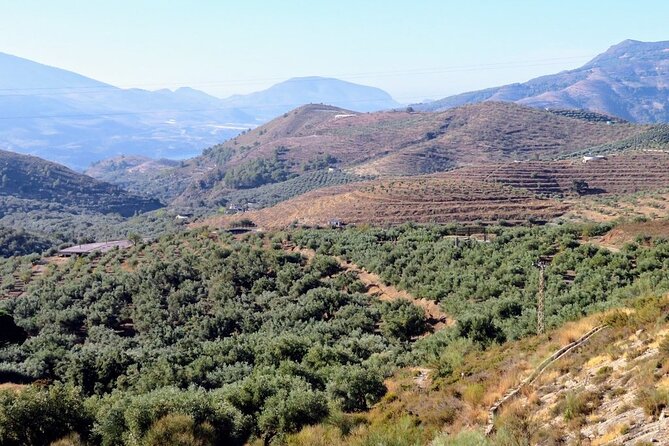
This is a mountain day. Even when the roads are fine, the villages can be chilly and windy. You’ll have time on foot in Capileira and Pampaneira, so don’t show up in sandals and hope for the best.
Bring:
- Comfortable clothes that handle wind
- Suitable footwear for uneven village walking
- Water
- A layer you can add when you stop at higher viewpoints
Also consider your seat comfort. One less-than-perfect experience described the return ride with an obstructed view and limited ability to hear the narration from the middle back seat. If you’re sensitive about visibility or you want clear audio, mention it at check-in and try to choose a spot that works for you.
And one more language note: the tour is offered in English, but in practice you may hear Spanish as well. If you’re fluent enough to follow some Spanish, great. If you’re not, make sure you can ask the guide follow-up questions during the walking parts so nothing important passes you by.
Who this tour suits best
I’d point you here if you want:
- A rural Andalusia day without renting a car
- A small-group pace with time to wander
- Village history that connects to what you can see in buildings and streets
- Photographers who want both village charm and mountain viewpoints
It also tends to work for families, including kids who can handle short walks with breaks. The best match is someone who likes short walking segments, scenery stops, and a guided explanation that keeps the day moving.
If you only want the single biggest hike of your life, this isn’t that. Think of it as guided village exploring with viewpoint rewards, not a hardcore trekking day.
Should you book this Alpujarra daytrip from Granada?
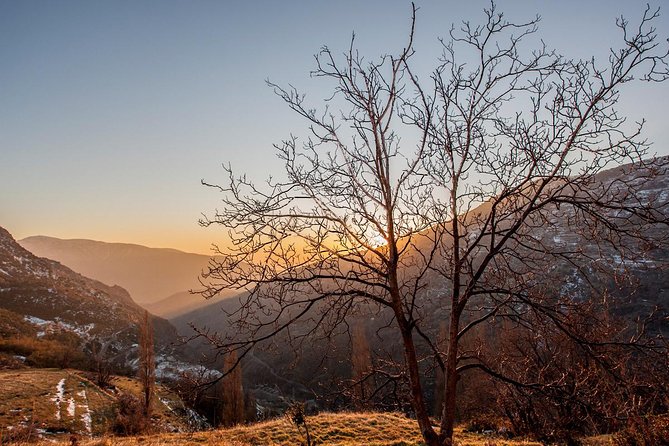
Book it if you want a one-day Alpujarra taste with good logistics, time to explore, and a guide who helps you notice what you’d otherwise miss. The combination of Capileira heights, Pampaneira browsing (jarapa textiles), and Fuente Agria’s water tasting makes the day feel varied instead of repetitive.
Skip or re-think if:
- You need strict English-only narration and want to avoid any bilingual spillover.
- You’re extremely sensitive to seat comfort and full visibility from your seat.
- You prefer long, unstructured independent time and don’t want a scheduled route.
If you go, go prepared for mountain weather, and lean into the walking segments. That’s where the tour turns from scenic to satisfying.
FAQ
How long is the Alpujarra villages daytrip from Granada?
It runs for about 8 hours.
What time does the tour start?
The start time is 9:00 am.
Where does the tour meet in Granada?
The meeting point is Discovering Spain – Alhambra Tours Excursiones, Pl. de las Descalzas, 3, Centro, 18009 Granada, Spain.
What language is the tour offered in?
The tour is offered in English.
What’s included in the price?
The price includes comfortable van transport (max 8 guests), a local specialist with narration, guided walking tours in the main villages, mountain viewpoint stops, and travel/transport insurance. Mobile tickets are provided.
Is lunch included?
No. Lunch is not included, but you’ll have time to choose your own meal during the day.
What should I bring for the tour?
Bring comfortable clothes, suitable footwear, and water. Layers are a good idea because mountain villages can be chilly and windy.