REVIEW · 1-DAY TOURS
The Unchanged Villages of Alpujarra Small-Group Guided Day Trip
Book on Viator →Operated by Not Just a Tourist · Bookable on Viator
The Alpujarras feel frozen in time. I like that this tour handles logistics with hotel pickup and keeps the group to eight people max, led by guides such as Ignacio, Miguel, Ramon, or Dante. You’ll also get real time in the villages, plus product stops where you can taste and buy local favorites. One thing to plan for: food and drink aren’t included, so lunch is on you.
This is a full 7-to-8-hour day with a moderate walking pace and lots of mountain scenery, starting at 9:00 am. If the weather is clear, you’ll be set up for big-sky views, including a look at Spain’s highest peak, plus a quick stop at a 500-year-old bridge.
In This Review
- Key Things You’ll Notice on This Alpujarra Day Trip
- The Granada-to-Alpujarra Start: Pickup, Comfort, and Time to Settle In
- Las Alpujarras Stop: The Viewpoint Decision (and Why Lunch Matters Here)
- Pampaneira: Honey, Wine, Chocolate, and the Art of Not Rushing
- Bubion: Flower-Filled Alleys, Crafts, and Snow-Capped Backdrops
- Capileira: Whitewashed Streets and the Layering of Muslim and Catholic Influence
- Cheese and Jam Tasting Stop: Local Makers You Can Actually Take Home
- Puente Nazari de Tablate: A 500-Year-Old Bridge and a Fast History Thread
- How the Small-Group Format Actually Changes the Day
- Price and Value: What $311.21 Buys You in This Mountain Day
- Who This Tour Fits Best (and Who Should Rethink It)
- Should You Book the Unchanged Villages of Alpujarra Day Trip?
- FAQ
- What is the group size on this Alpujarra day trip?
- Is hotel pickup and drop-off included?
- How long is the tour?
- Is the tour offered in English?
- Is food and drink included?
- Is there walking involved?
Key Things You’ll Notice on This Alpujarra Day Trip
- Granada hotel pickup and drop-off makes the day feel effortless from the start
- Max 8 people means your guide can actually answer questions as you walk
- Guided village walks in three towns helps you see what’s worth slowing down for
- Food-focused stops include a cheese and jam shop where you can taste and buy
- A 500-year-old bridge stop adds context without eating up the whole day
- Clear-day mountain views can include Spain’s highest peak
The Granada-to-Alpujarra Start: Pickup, Comfort, and Time to Settle In
The day begins in central Granada with pickup from your hotel. You climb into a comfortable, air-conditioned vehicle and head out of the city before you’re fully awake. That matters here, because the rest of the day is very much about moving through mountain roads and then walking in villages at a steady pace.
This is also where the small-group setup pays off. With room for only up to eight people, you’re not stuck following a guide-shaped pack. You can ask practical questions—what to look for, where to stand for photos, or how the village layout connects to its past—without the guide constantly switching attention to keep the group together.
A nice touch is how the tour handles health and comfort basics: vehicles are disinfected before use, and drivers and guides wear masks and gloves, with hand sanitiser available. You won’t forget the mountains, but it’s good to know the process feels careful.
Expect a solid chunk of your day dedicated to driving plus guided walking. If you prefer a slower, fewer-stops schedule, this might feel full—but if you like structure and want to see several villages without planning buses yourself, it fits well.
You can also read our reviews of more guided tours in Granada
Las Alpujarras Stop: The Viewpoint Decision (and Why Lunch Matters Here)
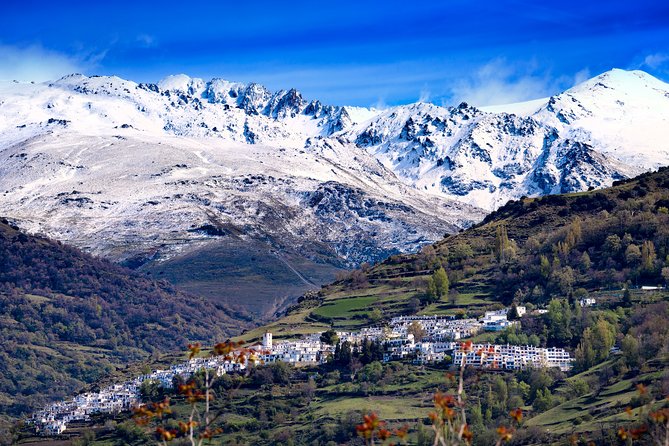
After heading up toward the Sierra Nevada mountains, you get your first taste of what makes the Alpujarra special: small villages stacked into the hills, a sense of time stretching back, and a high-elevation feel that changes the mood fast. This is the part of the day where your guide gives you options, not just a list of places.
You’ll have time for the guide to help decide where to stop for lunch. That sounds simple, but it’s one of the smartest parts of the experience. In these mountain villages, the “best lunch spot” usually isn’t just about the food—it’s about the view, the setting, and whether the road and timing let you enjoy both.
You’ll also hear the cultural thread of the region: this area connects to the last Muslim rebellion, and your guide can connect that story to what you’re seeing on the ground. Even if you’re not chasing facts, that context changes how you notice the villages—why certain buildings look the way they do, and why the landscape feels shaped by people who stayed through tough times.
On a clear day, you’re positioned for a sightline toward Spain’s highest peak—so yes, it’s worth paying attention to the skies that morning. Cloudy weather still makes the villages interesting, but clear visibility turns this into one of those days you’ll remember for the sheer scale.
Pampaneira: Honey, Wine, Chocolate, and the Art of Not Rushing
Pampaneira is your first village stop in the classic rhythm of the day: park, meet your guide, walk, then slow down when something catches your eye. Here, the focus is on local vendors and the kind of food you can’t easily replicate at home.
You’ll spend about an hour exploring Pampaneira and seeing what’s sold along the way. The big standouts are local sweetnesses and drinks—sweet honey, home-made wine, and rich chocolate. Even if you don’t buy much, the tasting and window-shopping give you a sense of how everyday life in the Alpujarra supports small producers.
This hour is built for pacing. You’re not racing from one photo spot to another. Your guide’s job is to point out what’s worth looking at—details in streets and storefronts, plus the practical “how this place works” background that makes the village feel more than just a postcard.
A potential drawback: if you’re traveling with strong preferences for quiet streets, you might need to manage expectations. Pampaneira is popular enough to have a shopping energy, and that can feel busier than the smaller lanes in the other towns later in the day.
Tip from the structure of the experience: if you plan to buy edible souvenirs, try to do it when you’re still fresh, before you’ve eaten your way through the rest of the day. You’ll end up with less stress about what to carry in the car and how to keep things intact.
Bubion: Flower-Filled Alleys, Crafts, and Snow-Capped Backdrops
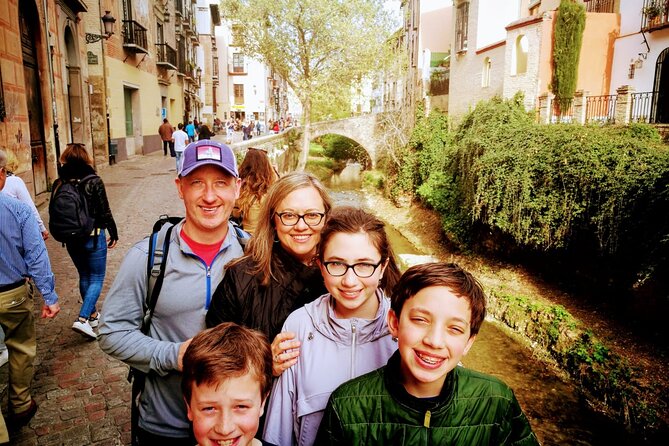
Bubion brings a different feel than Pampaneira. Expect flower-full alley ways and a village vibe that feels more lived-in and less showroom-like. You’ll get around an hour here, with a walking tour guided by someone who can connect what you see to the region’s layered identity.
This is a great place to look for local crafts and hand-made rugs. Even if you’re not shopping for rugs, it’s worth slowing down because the craft work helps you understand why these villages have survived and what kind of work locals sustain.
The views matter, too. With snowy mountain peaks in the backdrop, Bubion gives you that contrast that makes the region so memorable: bright, colorful village lanes in the foreground, and cold-looking peaks in the background.
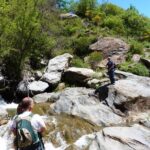
One honest consideration: the walking is moderate, but village streets aren’t always flat or evenly paved. Wear comfortable shoes that can handle uneven ground and the kind of stop-and-go walking you’ll do when you’re checking crafts, snapping a photo, and listening to your guide.
If you’re the type who enjoys learning through observation, Bubion is one of the better stops. It’s not just about what’s for sale; it’s about how the village is arranged to support daily life in the mountains.
Capileira: Whitewashed Streets and the Layering of Muslim and Catholic Influence
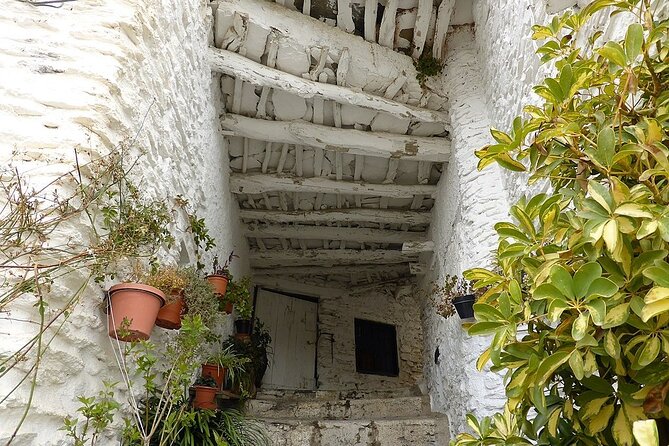
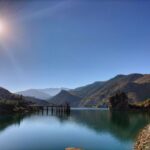
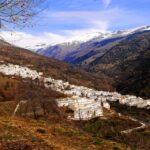
Capileira sits high in the Poqueira gorge, and it gives you one of the strongest “this is why people come here” impressions. The architecture and streets are whitewashed, and the gorge setting makes the village feel built into the mountain rather than placed on top of it.
You’ll have about an hour to explore, and your guide will point out the remains of Catholic and Muslim heritage that overlap in the area. This is one of those moments where the guide makes a difference. Without context, you might see buildings and walls. With context, you start seeing how centuries of influence can leave traces in the same space.
The way the stops are arranged helps: you come to Capileira after seeing Pampaneira and Bubion, so you’ve already learned what to look for. By the time you reach Capileira, you can focus on how the stories connect—why certain styles show up, how different communities shaped the built environment, and why the village layout matters.
A practical consideration: height means the air can feel cooler than Granada, especially if the weather is changing. If you run warm easily, bring a light layer you can take on and off.
Capileira also tends to be a strong photo stop, but the best photos aren’t just about standing still. Use your guide’s direction to find the viewpoints that actually match the angles you want.
You can also read our reviews of more tours and experiences in Granada

Cheese and Jam Tasting Stop: Local Makers You Can Actually Take Home
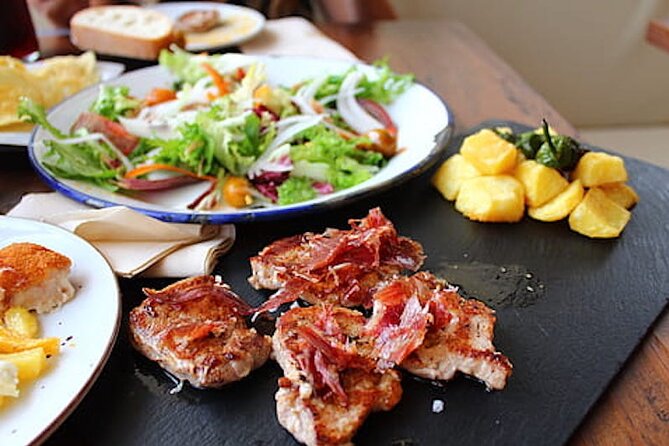
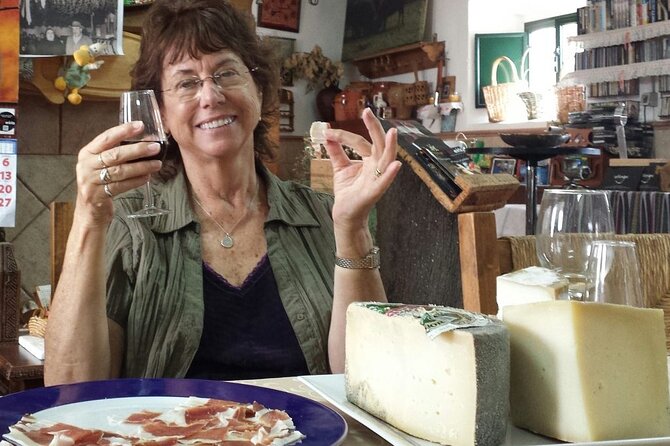
In the middle of the day you’ll pause at a local shop—Fabrica de Quesos & Mermeladas. This is a short stop (about 30 minutes), but it’s one of the more practical ones because it connects what you’ve been walking past with something you can buy and bring home.
You can learn about artisanal products here, plus taste and buy. This is the kind of stop that turns the day from sightseeing into souvenir-making you’ll enjoy later. Cheese and jam are also easier gifts than a random trinket, especially if you like eating your way through places rather than collecting magnets.
Because the stop is short, it helps to go in with a plan. If you love cheese, focus on the tastings first; if you’re more of a jam person, ask what pairs best. The time limit is there to keep the day moving, so don’t treat it like a full market visit.
You might also appreciate that this isn’t only about consuming. Learning how these items are made, even in a quick conversation, makes the products feel more connected to the region.
Puente Nazari de Tablate: A 500-Year-Old Bridge and a Fast History Thread
You’ll stop at Puente Nazari de Tablate, a 500-year-old ancient bridge. The stop is brief (about 30 minutes), but it lands in a good spot in the day: after villages and product time, you get a single “big object” moment that anchors the cultural context.
This bridge is also connected to the Muslim past of Granada, and your guide’s explanation is meant to be quick and clear rather than academic. That’s ideal when you’re already walking and looking at villages all day. A short history thread helps you connect the dots without pulling you out of the experience.
In terms of experience value, bridges are underrated on day trips. They show engineering and movement—how people crossed terrain, how trade and travel happened, and how communities stayed connected even when the mountains made everything harder.
Practical note: this stop is timed, so don’t expect long wandering time. Use it for photos, a short walk around the immediate area, and listening closely to your guide’s explanation.
How the Small-Group Format Actually Changes the Day
The limit of eight people affects more than comfort. It affects how you move through narrow village streets and how often your guide can steer you toward the details that matter.
This tour also includes a walking tour in three villages, meaning you’re not just driving and hopping out for a quick look. You get guided context while you’re actually on the ground. That’s the difference between seeing buildings and understanding why they’re there.
You’ll also get a driver/guide, comfortable AC car, and insider tips. Insider tips are especially useful in remote village areas where signage and context can be minimal. Your guide can tell you where to look for views, what to notice in the heritage traces, and how to time lunch so it works with the rest of the schedule.
One more practical thing: the tour requires good weather. If conditions aren’t right, it can be canceled and you’ll be offered a different date or a full refund. That’s not just a line in a policy—it’s because the viewpoint elements (including the highest peak sightline on clear days) depend on visibility.
Price and Value: What $311.21 Buys You in This Mountain Day
At $311.21 per person for a 7-to-8-hour guided day trip, you’re paying for three things: transportation, guided access, and a small-group experience.
First, hotel pickup and drop-off in Granada city center is not a small benefit. It saves you time, reduces stress, and removes the need to coordinate your own ride to the mountain region.
Second, you’re paying for a guide who can connect village streets to cultural background and point you to the meaningful stops. Guides often make the difference between a checklist day and a day that feels coherent.
Third, the small-group cap matters. Bigger groups can turn villages into short scripted exits. Here, eight people max makes it easier to ask questions and to move at a human pace.
What you should budget separately: food and drink. Admission tickets are marked free at the listed stops, which helps keep the cost more controlled, but lunch still needs a plan. Also, the duration is long enough that you’ll want to be ready for a full day rather than expecting quick pop-in sightseeing.
If you want an easy, guided counterpoint to Granada’s city life, the price is easier to justify. If you prefer self-guided exploration and you already know the towns well, you might pay less on your own. But you’d miss the small-group pacing and the context that helps the region click.
Who This Tour Fits Best (and Who Should Rethink It)
This is a strong fit for you if:
- You want multiple Alpujarra villages in one day without planning transport
- You enjoy guided walking and practical context
- You like food-focused stops where you can taste and buy local products
- You appreciate small-group days more than crowded bus tours
You might rethink it if:
- You hate any walking at all, since there’s a moderate amount involved
- You want a fully food-included day (lunch and drinks are not included)
- You’re very weather-dependent and only want sunny-day viewpoint time, because the experience requires good conditions
Should You Book the Unchanged Villages of Alpujarra Day Trip?
Yes, if you want a structured, high-value way to experience the Alpujarra without the logistical hassle. The small-group limit, the guided walking time in multiple villages, and the product stops (especially the cheese and jam tasting) add up to a day that feels both scenic and useful.
If your main goal is maximum freedom and you plan to move around independently, then it may not be the best match. But if you want the mountains plus clear guidance on what to notice—and you’re fine budgeting for lunch—this tour is a smart choice.
FAQ
What is the group size on this Alpujarra day trip?
The tour is capped at a maximum of 8 people, and it’s described as a small-group guided experience.
Is hotel pickup and drop-off included?
Yes. Pickup and drop-off are offered from hotels in Granada city center. You provide your accommodation address at booking.
How long is the tour?
It runs about 7 to 8 hours.
Is the tour offered in English?
Yes, the tour is offered in English.
Is food and drink included?
No. Food and drink are not included, though you’ll have time to choose lunch during the day.
Is there walking involved?
There is a moderate amount of walking, and comfortable walking shoes are recommended.