REVIEW · ALBAICIN & SACROMONTE WALKING TOURS
Tour Granada from its Origin; Albaicín
Book on GetYourGuide →Operated by Granada con Amor · Bookable on GetYourGuide
Granada starts at a gate. This 2-hour walking tour takes you from Puerta de Elvira into the Albaicín maze, with viewpoints, churches, and a visit to a classic carmen house so you understand how the city grew up on its hills. It’s the kind of route that helps you see Granada’s layers without bouncing around on your own.
I love how the guide points out the city like a local—official facts plus real street-level context, with the freedom to ask questions. I also like the focus on viewpoints and the “how-to-see” moments, especially around Plaza de San Nicolás and the long stretch of Paseo de los Tristes. If you’re lucky, you’ll get a guide like Daniel or Marta, both praised for clear explanations and patient answers.
One possible drawback: Granada is a lot of hills, cobblestones, and stairs in a short time. It’s also not suitable for wheelchair users or people with mobility impairments, so plan around that and bring comfortable shoes.
In This Review
- Key highlights you’ll actually feel
- Entering Granada from its origin: why this route works
- Puerta de Elvira to Puerta Monaita: your first “why this is here”
- Mirador de la Lona: small stop, big payoff
- San Miguel Bajo and Santa Isabel la Real: churches with personality
- Plaza de San Nicolás: the viewpoint that teaches you how to look
- Casa Carmen in the Albaicín: where the city becomes lived-in
- Paseo de los Tristes and Bañuelo: a softer side of Granada
- Plaza Nueva, San Gil y Santa Ana, and Real Chancillería: closing the loop
- Price and pace: is $17 worth it for 2 hours?
- Practical tips so you enjoy the hills (and keep your photos sharp)
- Should you book Granada from its origin; Albaicín?
- FAQ
- Where does the tour start and where does it end?
- What will I see during the tour?
- How long is the tour?
- Is the tour in English?
- What is included, and do I need to buy tickets separately?
- What should I bring?
- Is it suitable for people with mobility impairments?
Key highlights you’ll actually feel
- Start at Puerta de Elvira and work your way toward the Albaicín’s most important viewpoints
- Plaza de San Nicolás photo stop with the kind of view that makes you stop walking
- Visit a Casa Carmen to see how everyday homes shape Granada’s identity
- Paseo de los Tristes and Bañuelo for courtyards, water culture, and neighborhood atmosphere
- Plaza Nueva + Real Chancillería to connect the old neighborhood streets to the city’s civic history
Entering Granada from its origin: why this route works
Most Granada tours jump straight to the “big postcard” spots. This one starts in a more fundamental place: Puerta de Elvira. From there, you move through gates and neighborhood streets in a way that helps you understand why Granada is built the way it is. The hills aren’t a detail here; they’re the whole story.
In a short 2 hours, the walk gives you a practical mental map. You’ll connect major landmarks—Albaicín viewpoints, churches, and civic buildings—so later, when you roam on your own, you won’t feel like you’re wandering without a plan.
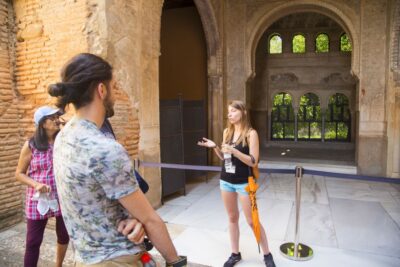
The format also keeps things human. You’re with an official local guide, in English, who shares history and art while still pointing out what matters visually: where to stand, what to look at, and how to read the city’s layout.
You can also read our reviews of more tours and experiences in Granada.


Puerta de Elvira to Puerta Monaita: your first “why this is here”
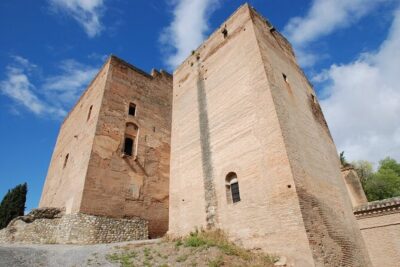
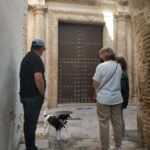
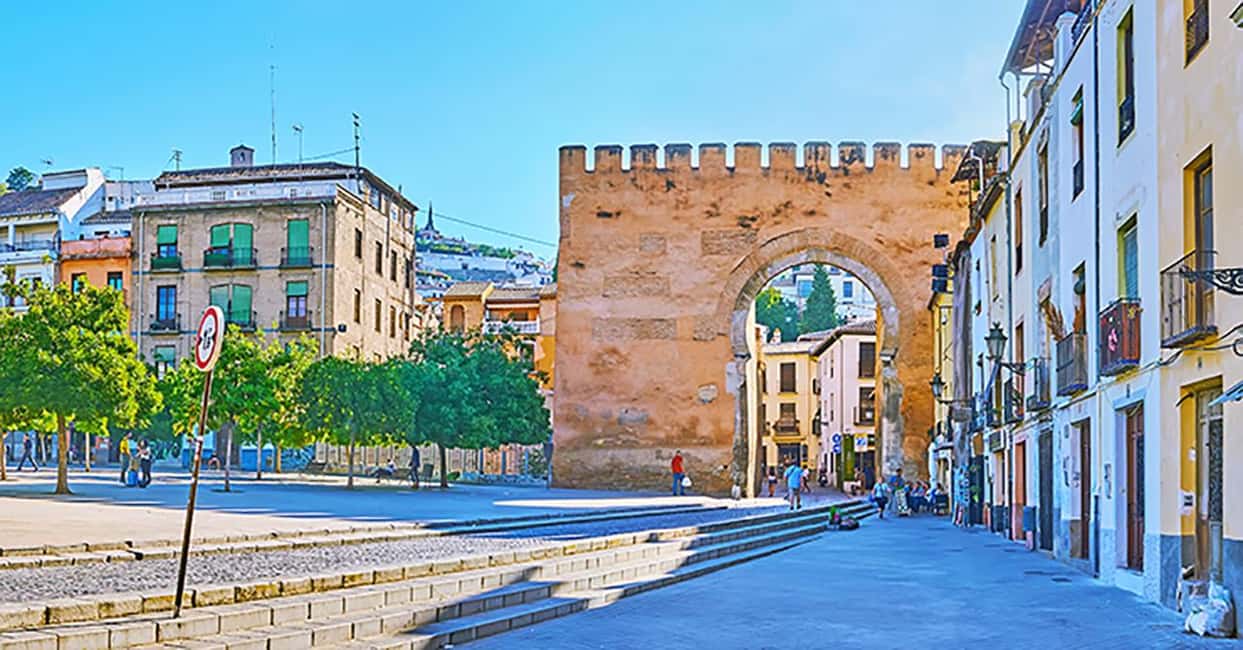
You begin at Puerta de Elvira, a strong starting point because it sets the tone. It’s not just a gate you pass; it’s a marker that helps you orient yourself. Right away, the guide brings the “origin” idea into focus—Granada didn’t grow randomly. It grew in recognizable directions tied to power, movement, and settlement patterns.
From there, you’ll get the Arc of Elvira moment, then head to Puerta Monaita. Both gates matter because they’re physical reminders that the city’s transitions were once controlled and directional. You’ll also get a sense of how the neighborhoods connect, which makes Albaicín feel less like an obstacle course and more like a coherent place.
Even if you’re not a “history person,” this section does one useful thing: it sets up the rest of the walk. When you reach the viewpoints later, you’ll better understand what you’re looking at and why it sits where it sits.
Mirador de la Lona: small stop, big payoff
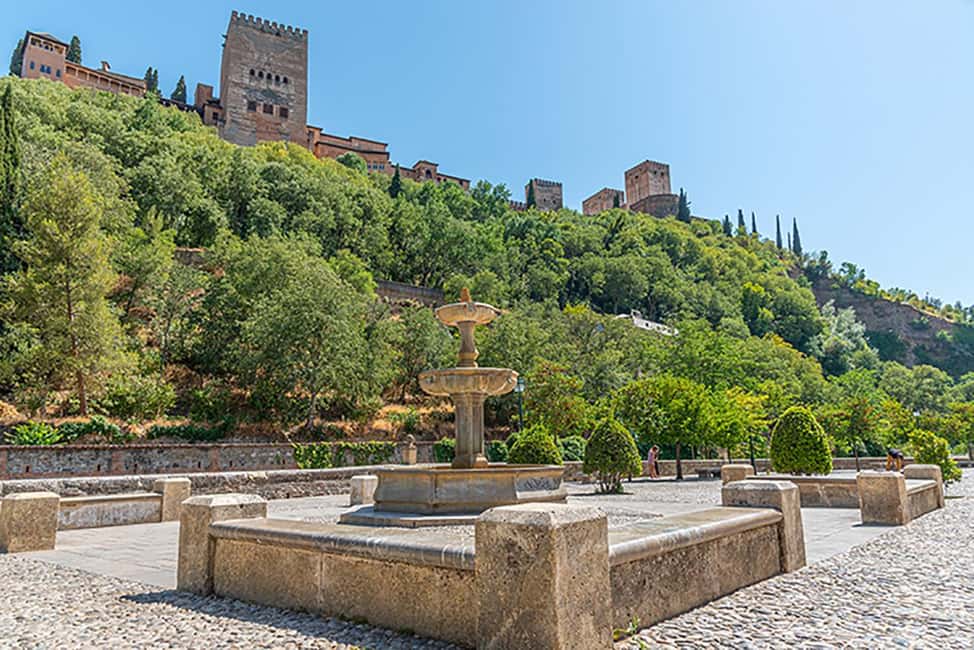
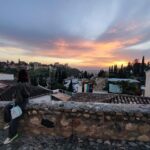
Next comes Mirador de la Lona, one of those stops that seems minor on paper and then becomes a highlight in real life. A short photo stop and a bit of sightseeing here can reset your eyes. You see how the streets and terraces lead the eye, and you begin to grasp the hill geometry that makes Granada so dramatic.
This is also where the guide’s approach shines. The best part isn’t only the view; it’s the explanation that helps you notice details: rooflines, the direction of streets, and how different parts of the city relate.
If you like taking photos, bring your camera out quickly. These moments can be brief, and the group is on a walking schedule. But don’t rush it either—Miradores work best when you pause, breathe, and actually look.
San Miguel Bajo and Santa Isabel la Real: churches with personality
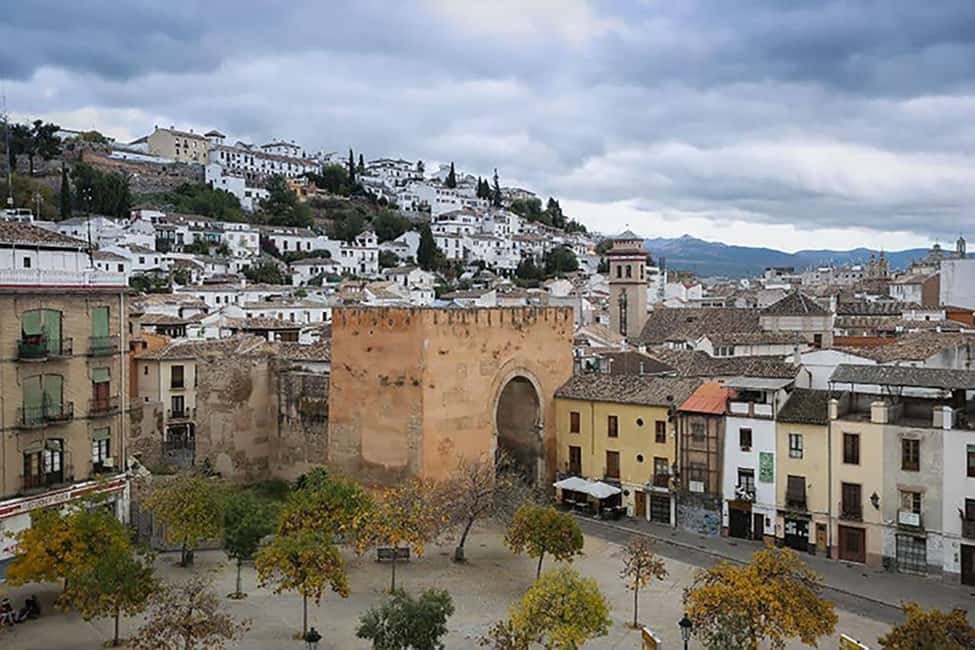
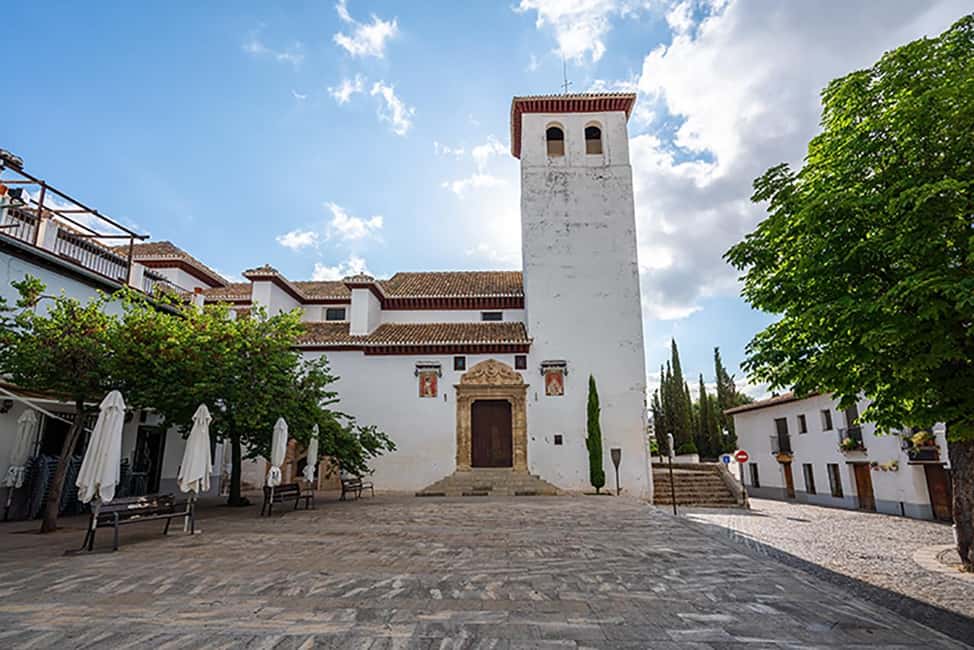
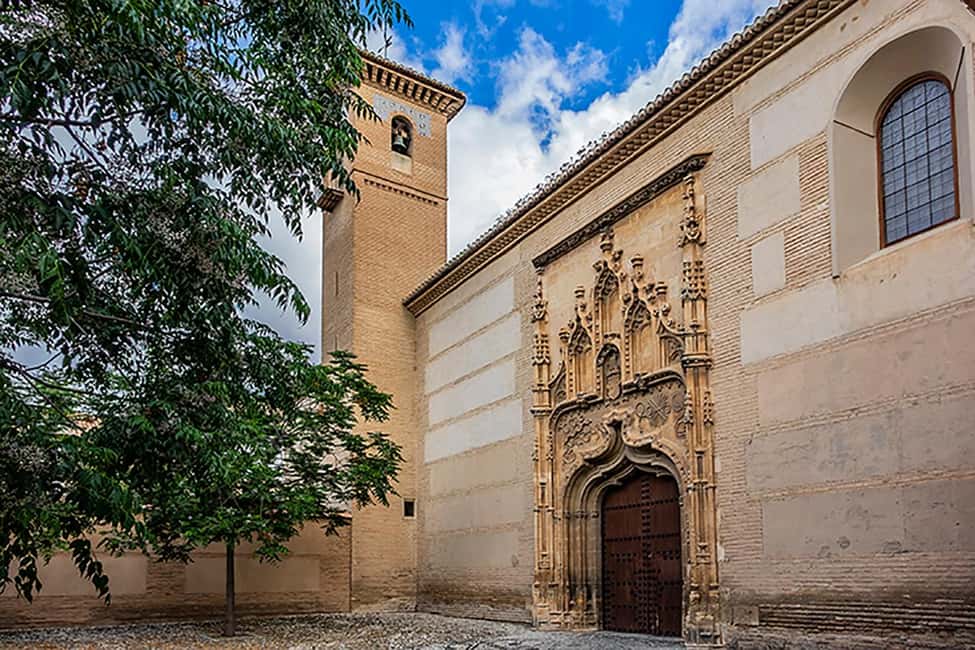
As you work onward, you’ll visit Iglesia de San Miguel Bajo. Church interiors often feel similar to visitors, but in Granada, the guide’s emphasis on art and local significance changes the experience. You learn what to look for and why the site matters in the neighborhood’s story.
Then the tour moves to the Royal Convent of Saint Isabel la Real (Santa Isabel la Real). Convents can feel quiet and closed-off from the street. Here, the guide helps you connect that quietness to how Granada functioned as a city, not only as a sightseeing map.
These stops aren’t long, but that’s the point. In only 2 hours, the tour balances “must-see” architecture with the bigger goal: giving you enough context to enjoy the city after the tour ends.
Plaza de San Nicolás: the viewpoint that teaches you how to look
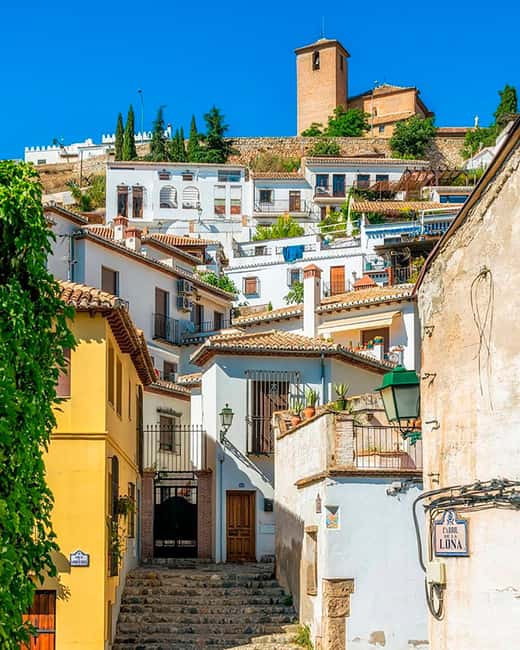
Plaza de San Nicolás is a classic. What makes it valuable on this tour is how you approach it. The guide builds up to the viewpoint so it doesn’t feel like you’re just arriving at a crowd.
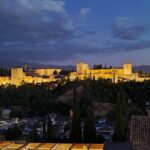
You’ll get time for a photo stop, sightseeing, and a chance to actually take in what the view reveals. From up here, Granada reads like a set of connected layers: rooftops, terraces, and the city stretching out below. And because you came through gates and neighborhoods first, the view makes more sense. You’re not just staring; you’re translating what you see.
Practical note: it’s a hilltop area, so stay aware of your footing. Cobblestones + uneven ground can be tricky if you’re rushing for the best photo angle.

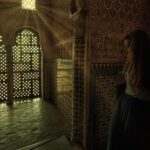
Casa Carmen in the Albaicín: where the city becomes lived-in
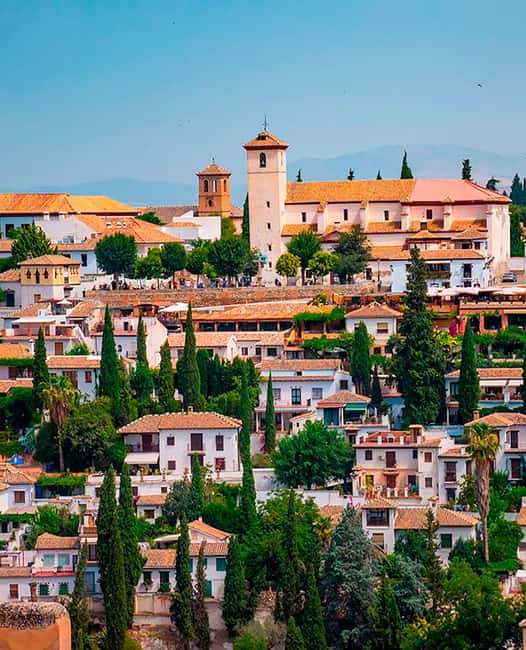
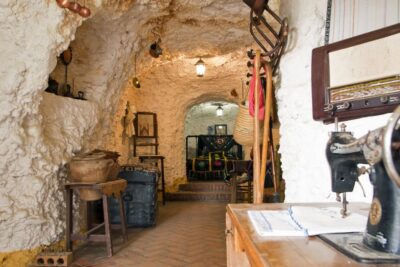
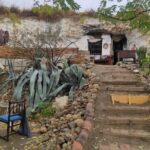
One standout inclusion is the Visit to Casa Carmen, a typical carmen house. This is the part I think many people underestimate, because they assume Granada’s charm is only about viewpoints and monuments. Casa Carmen flips that. You see Granada’s identity through a home style tied to gardens, courtyards, and the way families shaped space on a slope.
A carmen isn’t just a building. It’s a way of life expressed in architecture. The guide helps connect the house to the neighborhood’s character and explains what makes it “typical” in Granada terms. That context is what turns a quick visit into a memory you’ll actually use when you walk other streets later.
If you enjoy architecture, everyday culture, or simply want one stop that feels different from churches and squares, this is your anchor moment. It’s also the reason the tour feels worth the time. You come away with more than views—you come away with understanding.
Paseo de los Tristes and Bañuelo: a softer side of Granada
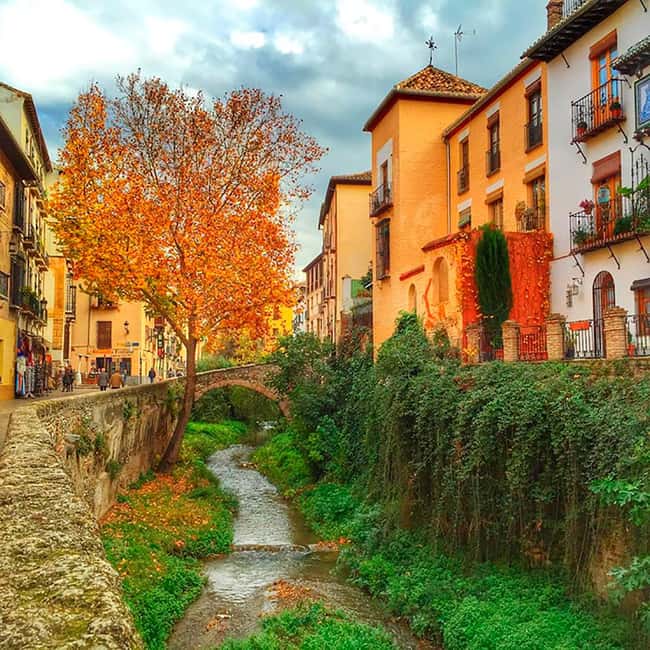
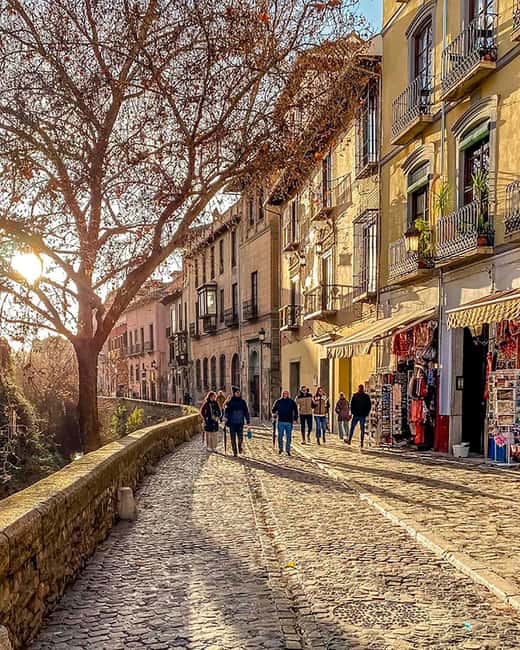
After Casa Carmen, you’ll stroll along Paseo de los Tristes. This is where Granada slows down visually. The name alone hints at an atmosphere, but the real value is the walking experience: the path, the perspectives along the way, and the way the neighborhood unfolds as you move.
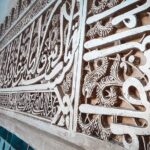
Then you reach Bañuelo, a site that adds variety to the tour. You go beyond “look at a building” and get a sense of the city’s everyday routines and cultural habits. Even with a short stop, it helps broaden your understanding of what mattered to people beyond landmarks.
This section is great for travelers who like a balanced pace: some photo moments, some quiet stops, and enough context to keep learning without feeling like school.
Plaza Nueva, San Gil y Santa Ana, and Real Chancillería: closing the loop
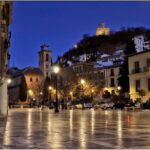
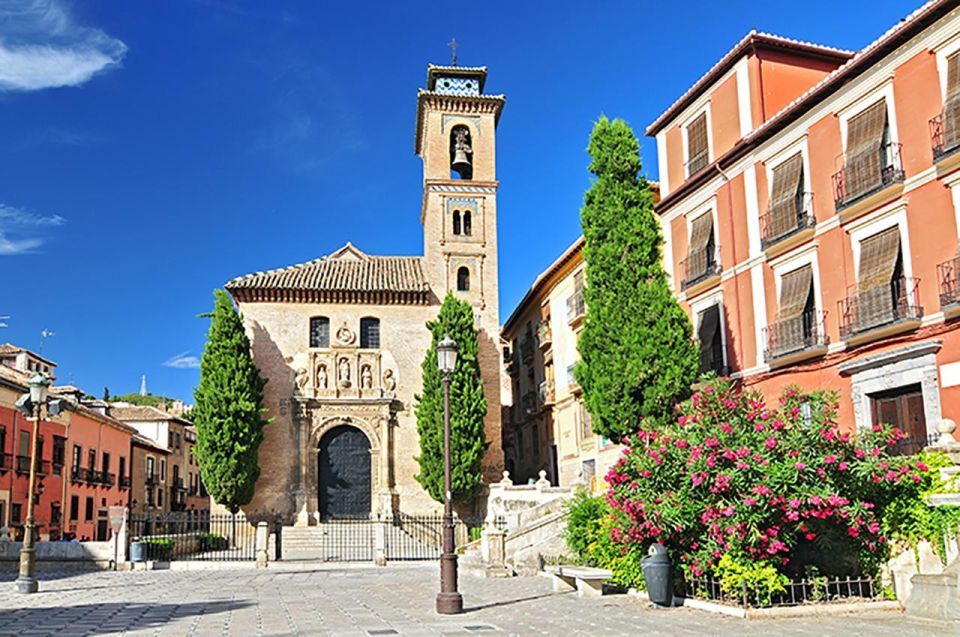
The walk finishes around Plaza Nueva, after passing Iglesia de San Gil y Santa Ana and the Palacio de la Real Chancillería (Real Chancillería). These are the “big city” pieces that connect the hill neighborhood vibe to Granada’s official, civic side.
I like this ending because it helps you stitch the story together. Albaicín gives you the street-life feeling; Plaza Nueva and the historic administrative sites remind you that power and culture were never only local. Granada was always negotiating identity across different eras, and these stops make that tangible.
Also, finishing at Plaza Nueva is practical. It’s a natural place to re-orient, grab a drink, and decide where to go next—whether you want to return to the Albaicín viewpoints at golden hour or explore deeper into the historic center.
Price and pace: is $17 worth it for 2 hours?
At around $17 per person for a 2-hour guided walk, the value is mostly in what’s included and what you learn fast.
You’re not only getting narration. You’re getting:
- an official local guide who focuses on history and art in a walking format
- access to Casa Carmen, which is the kind of stop that’s hard to arrange on your own
- viewpoint timing and practical recommendations for gastronomy and cultural ideas
The “pace” is brisk, but not chaotic. The itinerary includes multiple short stops and photo breaks, so you’ll spend more time looking and less time waiting. The tradeoff is physical: you’ll do hills, stairs, and cobblestones in a compact window.
If you’re short on time in Granada and want a route that gives you orientation plus one distinctive cultural visit, this price-to-experience ratio makes sense.
Practical tips so you enjoy the hills (and keep your photos sharp)
Granada’s terrain is real. Here’s how I’d prepare so the tour feels fun instead of exhausting:
- Wear comfortable shoes with good grip. Cobblestones can feel slick when you’re tired.
- Bring water. Even in cooler months, hills add up.
- Use layers. Weather can change quickly, and you’ll be moving most of the time.
- Bring your camera, but also pause with your eyes. The best views need a second look.
- If you want to get the most out of the guide, ask one question early. Guides like Daniel and Marta are known for answering patiently and encouraging questions.
One more tip: plan your timing the same day you want to explore the Albaicín afterward. After this tour, you’ll understand where you are and where the best views sit.
Should you book Granada from its origin; Albaicín?
Book it if you want:
- a tight 2-hour route that gives you a real sense of Granada’s layout
- viewpoints that feel guided rather than random
- a genuine cultural stop with Casa Carmen instead of only monuments
- an official English-speaking local guide who can explain art and history clearly
Skip it (or choose another option) if:
- you have mobility limitations, because this route isn’t designed for wheelchairs
- you don’t handle hills and stair-heavy walks well
- you’re looking for a slow, lingering tour with long indoor visits
If you fit the walking style, I think you’ll leave with a stronger mental map of Granada—and that’s the best kind of souvenir.
FAQ
Where does the tour start and where does it end?
The tour starts at Puerta de Elvira. It finishes at Plaza Nueva.
What will I see during the tour?
You’ll pass or visit major spots including Puerta de Elvira, Puerta Monaita, Mirador de la Lona, Iglesia de San Miguel Bajo, Santa Isabel la Real, Plaza de San Nicolás, Casa Carmen, Paseo de los Tristes, Bañuelo, Plaza Nueva, Iglesia de San Gil y Santa Ana, and the Real Chancillería.
How long is the tour?
The duration is 2 hours.
Is the tour in English?
Yes, it’s a live guided tour in English.
What is included, and do I need to buy tickets separately?
It includes an official local guide, a visit to Albaicín and Centro Histórico, access to Casa Carmen, and recommendations for gastronomy and culture. Food and drinks are not included.
What should I bring?
Bring comfortable shoes, a camera, water, and weather-appropriate clothing.
Is it suitable for people with mobility impairments?
No. It’s not suitable for people with mobility impairments or wheelchair users due to hills, ups and downs, cobblestone streets, and stairs.