REVIEW · MUSEUMS
Exhibition Inquisition Instruments of Torture in Granada
Book on Viator →Operated by AG Flamenco · Bookable on Viator
A weirdly sobering stop can be the best kind. In Granada’s Palacio de los Olvidados, you’ll see a permanent exhibition focused on Inquisition punishment tools, then finish with a viewpoint over the Alhambra area. The setting alone is worth the detour.
I really like that this is a 16th-century palace—restored and tucked into the Albaicín—so the history feels grounded, not staged. I also like the clear scope: you’re not just reading concepts, you’re looking at a selection of the instruments used by inquisitorial courts across Europe, including examples tied to Spanish ecclesiastical courts and harsher civil-court practices.
One caution: the exhibition is brief and heavily centered on devices. If you want a long, story-driven walkthrough of how the Inquisition worked in everyday life, you may wish there were more contextual history on the wall text.
In This Review
- Key things to know before you go
- Palacio de los Olvidados: why the setting matters in Granada
- What you’ll see in the Inquisition Instruments of Torture exhibition
- How long it takes and how to pace a visit here
- The Darro River and Alhambra viewpoint finish
- Price and value: what $9 buys you in real time
- Who this experience suits best (and who should think twice)
- Practical tips for visiting without stress
- Should you book this Inquisition instruments exhibition in Granada?
- FAQ
- What is the exhibition location?
- How long does the visit take?
- What’s included in the price?
- Do I need a printed ticket?
- What are the opening hours?
- Is it wheelchair-friendly or limited in participation?
- Can I cancel for a full refund?
- What’s the cancellation cutoff?
Key things to know before you go
- Palacio de los Olvidados setting: a restored 1500s palace in the Albaicín, by the Darro River
- Inquisition focus: a permanent exhibit on instruments of torture and capital punishment used by inquisitorial courts
- Spanish vs. civil courts angle: Spanish ecclesiastical courts are described as more sparing, while civil courts are presented as especially cruel
- Quick visit potential: plan roughly 30 minutes for a careful walk-through
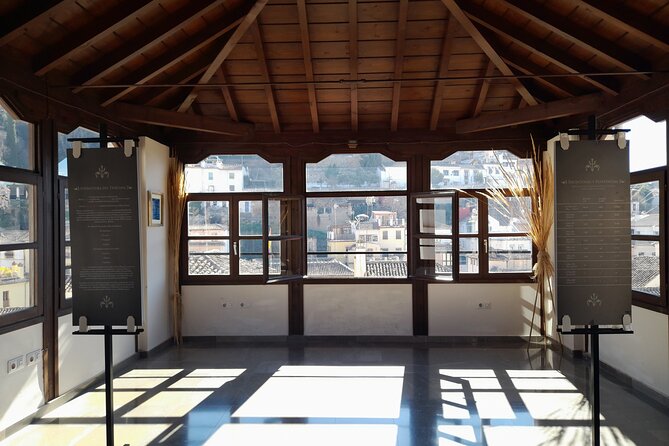
- Viewpoint finish: you end with a fantastic look toward the Alhambra area
- Mobile ticket: tickets are mobile, and it’s an easy add-on during sightseeing
Palacio de los Olvidados: why the setting matters in Granada
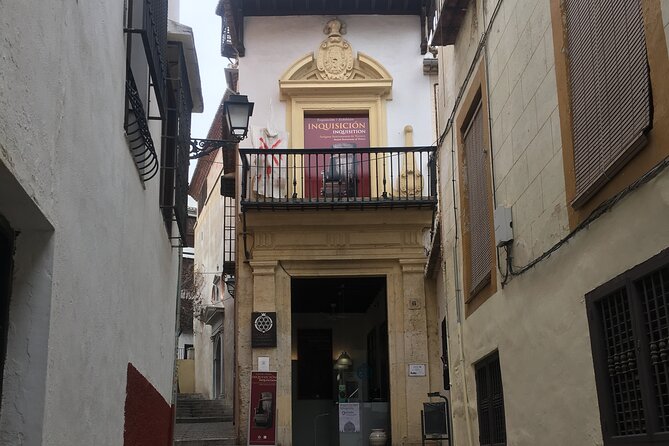
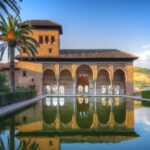
Granada has a way of layering eras on top of each other, and this stop sits right in the middle of that feeling. The Palacio de los Olvidados is on the Santa Inés slope in the lower Albaicín, a neighborhood known for narrow, steep streets and that slow, time-warp vibe. The Albaicín was named a World Heritage Site in 1984, so you’re not just visiting a building—you’re stepping into the kind of old-city geography that shaped everything about life here.
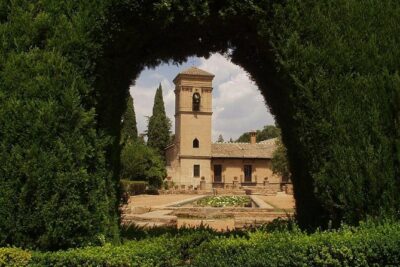
This palace dates to the 16th century, and today it’s restored. That restoration matters. When the building itself feels cared for, the exhibition doesn’t feel like it’s being dropped into an empty room. Instead, it lands in a space that matches the subject’s historical weight, even if the topic is grim. You also get the physical location advantage: the palace sits near the Darro River, with the Alhambra nearby.
Even if you’re not a museum person, I think the setting helps you understand why Granada tourism often works best as a mix of art, architecture, and a bit of social history. You’re not in a modern box. You’re in a hillside palace that’s part of the city’s original layout.
You can also read our reviews of more museum experiences in Granada

What you’ll see in the Inquisition Instruments of Torture exhibition
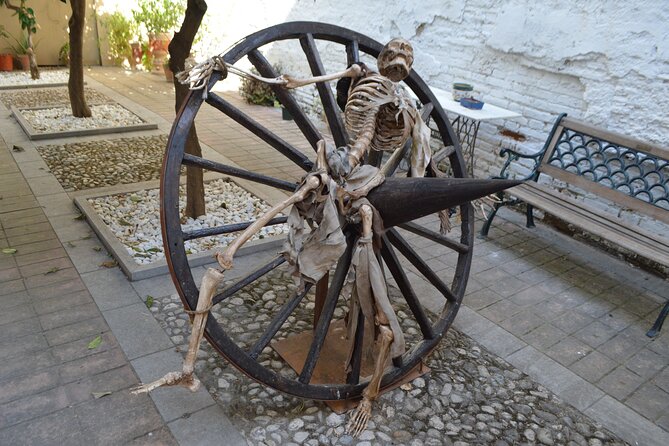
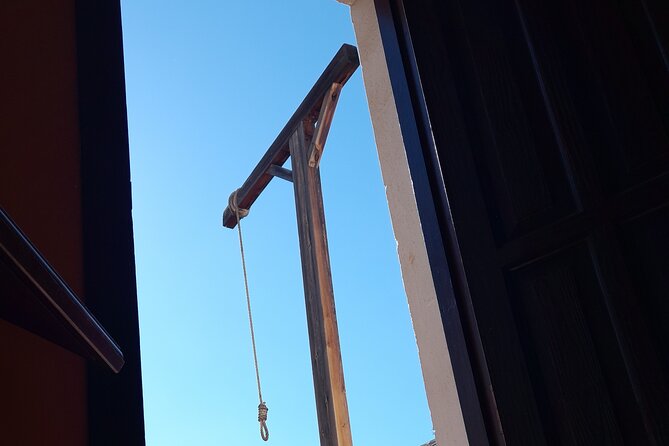
The exhibition centers on a selection of torture and capital punishment instruments associated with inquisitorial courts across Europe. This is not an abstract history exhibit. It’s a set of objects, presented in a way that highlights how punishment tools were used and adapted by different authorities.
Here’s the angle that stood out to me as the key interpretive thread: the exhibit differentiates between inquisitorial courts with different roles. The Spanish ecclesiastical courts are described as being more sparing in their use of instruments of torture. Instead, the most used examples for that context are the garrucha, guitar (yes, the name used for a device), and the rack.
Then the exhibit shifts to civil courts, both in Spain and elsewhere in Europe, described as particularly cruel toward groups that some societies treated as threats to coexistence. That part is where the machine-focused feeling can get intense, because the exhibit’s selection is meant to show which types of devices were most prominent in the civil-court setting.
Important practical note: this is one of those exhibitions where the visuals may be emotionally difficult, even if it’s done in a historical, museum-like way. If you’re sensitive to graphic themes or prefer your history less uncomfortable, keep that in mind before you buy.
How long it takes and how to pace a visit here
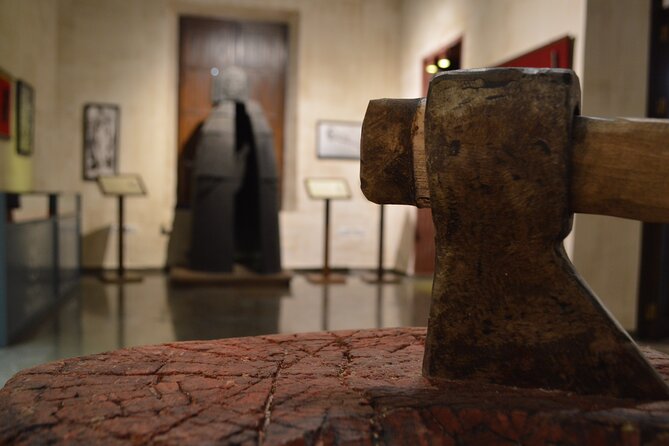
This experience is designed to fit into a normal sightseeing day. The timing window is listed as 1 to 40 minutes, and the exhibition is small enough that you can likely finish in about half an hour if you read and look at things at a steady pace.
I like this kind of museum stop because it doesn’t steal your entire day. Granada sightseeing can be exhausting—slopes, steps, and long walks add up fast. A short, contained visit like this is great when you want a meaningful cultural break without losing an afternoon to lines, crowds, or fatigue.
That said, there’s a drawback to short format: it can feel device-forward. One of the common sentiments tied to this kind of exhibit is that it’s interesting, but you may feel the explanation stretches to cover less than you’d hope. In other words, you’ll probably leave with a sense of what tools existed, but not a full, big-picture story of the Inquisition’s role in everyday life.
My practical suggestion: give yourself a little extra time—maybe 10 minutes beyond what you think you need—if your goal is to absorb the wording on the placards. If you rush, it’ll feel even more like a catalog of objects.
The Darro River and Alhambra viewpoint finish
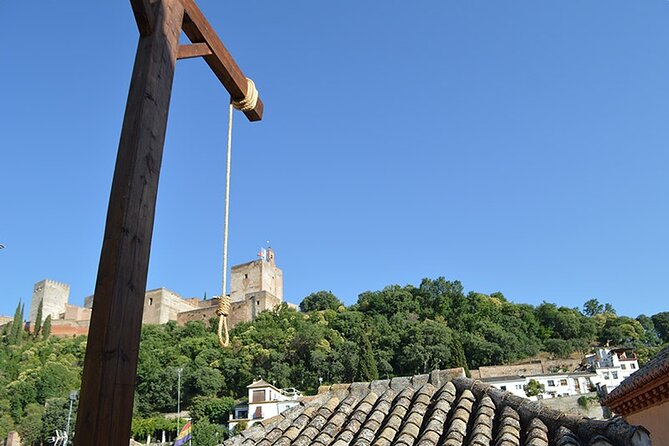
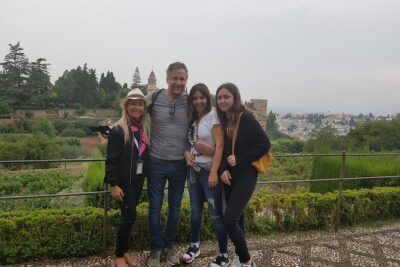
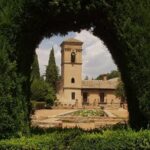
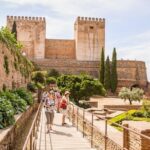
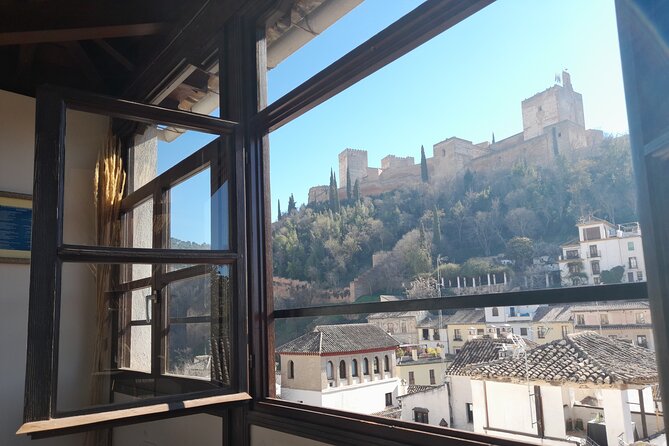
A lot of Granada experiences end with a “thanks for visiting” hallway feeling. This one does something better: you finish with a fantastic viewpoint overlooking the Alhambra area.
That matters for two reasons. First, it changes the emotional tone. You go from dark subject matter to an outward-facing view of one of the world’s most iconic sights. Second, it helps you reset your bearings. If you’re walking around Albaicín and trying to understand where everything sits in relation to the Alhambra, a viewpoint can make the whole day click.
So don’t treat this as a grab-and-go ticket. Plan a moment at the end to stand, look, and let your eyes trace the Alhambra’s position. Even if you’ve already photographed it from other spots, this angle can be a useful one for context and orientation.
Price and value: what $9 buys you in real time
At $9, the value is all about expectations. You’re not paying for a sprawling museum with hours of rotating displays. You’re paying for a focused, small permanent exhibition housed in a restored historic palace, plus the payoff of the viewpoint.
Here’s why I think it’s good value: it’s easy to fit into your schedule. You can add it to a morning or late-afternoon walk without disrupting your itinerary. Also, the historical setting is part of what you’re buying—Palacio de los Olvidados is the kind of place that feels like Granada, not just adjacent to it.
Where you might judge it differently is if your goal is deep educational storytelling about the Inquisition itself. Since the exhibition is short and concentrated on instruments, you may feel you’re skimming the “why” and “how” more than you expected.
So I’d call it a fair price for what it is: a compact, sobering object-based exhibition in an atmospheric palace, not a long-form documentary experience.



Who this experience suits best (and who should think twice)
This works best if you like history through objects—especially when the objects are presented with a clear interpretive frame. If you’re the type who enjoys seeing how different jurisdictions (ecclesiastical vs. civil) are described to differ in their use of torture instruments, you’ll likely appreciate the exhibit’s structure.
It also suits travelers who want something different from Granada’s usual headline attractions. Yes, you’re near the Alhambra. But you’re not in a fortress tour. You’re in the Albaicín, in a palace setting, looking at a subject that’s uncomfortable but undeniably part of Europe’s historical record.
Who might think twice? If you prefer your museums to be lighter, more narrative, or more focused on cultural influence rather than punishment methods, this could feel heavy. And if you were hoping for an expanded course on the Inquisition’s broader role, this may leave you wanting more.
Practical tips for visiting without stress
First, build it into a walking plan. The palace is in the Albaicín on the Santa Inés slope area, so you’re dealing with hills and steps. Wear shoes you can move in confidently. Even if you’re only inside for a short time, getting there is part of the experience.
Second, plan around opening hours. The attraction is open daily from 10:30 AM to 7:00 PM across the listed date ranges (through late May in each season listed). If you want softer light for your photos from the viewpoint, late afternoon can be nice.
Third, bring your ticket in a way that works for mobile. The ticket is a mobile ticket, and that makes this kind of stop frictionless—no printed voucher needed if your phone is charged.
Finally, manage your expectations on length. The exhibition is built for quick entry and an efficient visit. If you treat it like a two-hour museum, you’ll feel rushed. If you treat it as a short, focused stop with a viewpoint payoff, it lands better.
Should you book this Inquisition instruments exhibition in Granada?
I’d book it if you want a small, historically grounded stop in the Albaicín that gives you both an exhibition and an Alhambra viewpoint, all for a low price and with a short time commitment. It’s a good add-on when you want something unusual that still feels authentically “Granada,” because you’re inside a restored palace in a World Heritage neighborhood.
I’d skip it if your main goal is deep, narrative explanation of the Inquisition beyond the instruments themselves, or if you’d rather keep your sightseeing day away from themes of torture and execution—even when presented in a museum context.
If you fall somewhere in the middle, decide based on your tolerance for object-focused, grim history. Then go at a relaxed pace and give yourself that final moment at the viewpoint. That payoff can turn an unsettling topic into a memorable Granada moment.
FAQ
What is the exhibition location?
It’s in Granada at the Palacio de los Olvidados in the Albaicín area, near the Darro River and by the Alhambra.
How long does the visit take?
The duration is listed as about 1 to 40 minutes, and you can plan for a short visit given the exhibition size.
What’s included in the price?
Admission to the exhibition is included, with all fees and taxes included.
Do I need a printed ticket?
No. The experience uses a mobile ticket.
What are the opening hours?
It’s open daily from 10:30 AM to 7:00 PM during the listed seasonal date ranges.
Is it wheelchair-friendly or limited in participation?
Most travelers can participate, and the site allows service animals.
Can I cancel for a full refund?
Yes. You can cancel up to 24 hours in advance for a full refund.
What’s the cancellation cutoff?
Cut-off times are based on local experience time, and cancellations made less than 24 hours before the start time aren’t refunded.