REVIEW · ALHAMBRA & NASRID PALACES TOURS
Granada: Private Full Alhambra Tour with Nasrid Palaces
Book on GetYourGuide →Operated by Asier Guide · Bookable on GetYourGuide
Three hours. All the drama of the Alhambra. I love how the Generalife gardens feel like a lived-in retreat, with orange blossoms and roses drifting through the air, and I love how the Nasrid Palaces bring Islamic art and architecture into sharp focus, especially around the Sultan’s Throne Room. One possible drawback: the pacing is efficient, and the focus can lean more toward design and explanation than extra legend-style storytelling.
This is a true private tour, so it’s just you and your group, not a cattle-line scramble. Entry to the Alhambra and the Nasrid Palaces is included, you meet at the Access Pavilion’s big ceramic ALHAMBRA map, and the guide works in English, Italian, or Spanish—plus you’ll have skip-the-ticket-line access.
In This Review
- Key things that make this Alhambra tour worth your time
- Why the private Alhambra plan makes the place click
- Arriving at the Access Pavilion: where the tour starts
- Generalife Gardens: orange blossoms, water, and power
- Calle Real de la Alhambra and the Medina: reading the citadel
- Alcazaba viewpoints: the fortress that gives you Granada back
- Nasrid Palaces: where the Throne Room story lands
- The guide makes or breaks the experience
- Price and value: what you’re really paying for
- Practical tips so your 3 hours feel like more
- Should you book this private Alhambra tour?
- FAQ
- How long is the tour?
- Where do we meet, and where do we end?
- What parts of the Alhambra are included?
- Is entry to the Nasrid Palaces included?
- Does this tour include a guide and radio devices?
- What languages are available?
- Is the tour wheelchair accessible?
- What’s the cancellation policy?
Key things that make this Alhambra tour worth your time
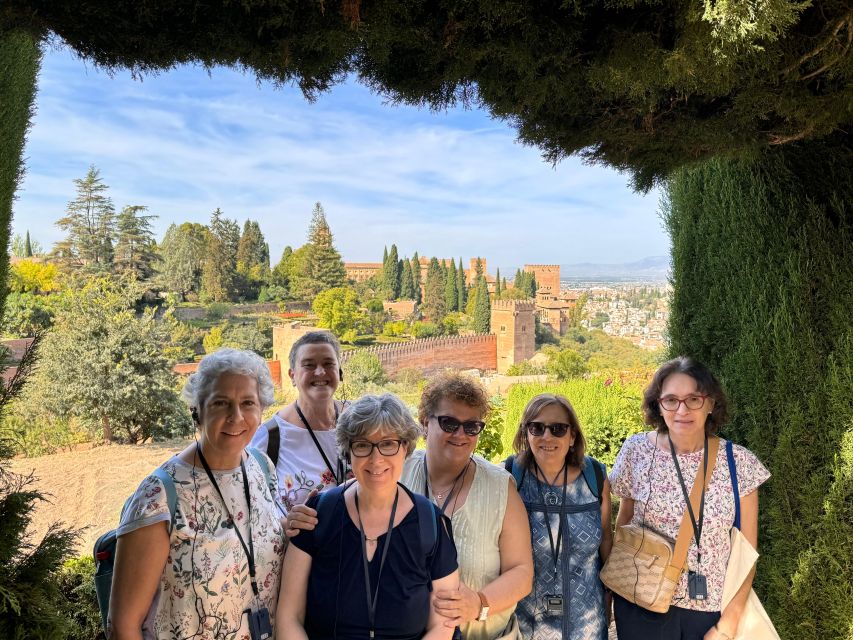
- Generalife’s water story: you’ll learn how the hydraulic system kept the summer residence thriving.
- Orange trees, original orchards, and rose-scented pauses: the gardens aren’t just pretty; they connect to how food and power worked.
- Calle Real de la Alhambra: walk the main spine of the complex and understand how it shaped movement through the citadel.
- Alcazaba viewpoints over Granada: you get photo-friendly angles from the fortress area, not random snapshots.
- Nasrid Palaces rooms tied to the last rulers: you’ll hear how the spaces related to the Nasrid royal family.
- A postcard souvenir: you’ll get a postcard designed by a local architect, with a Sierra Nevada or Fountain of the Lions silhouette.
Why the private Alhambra plan makes the place click
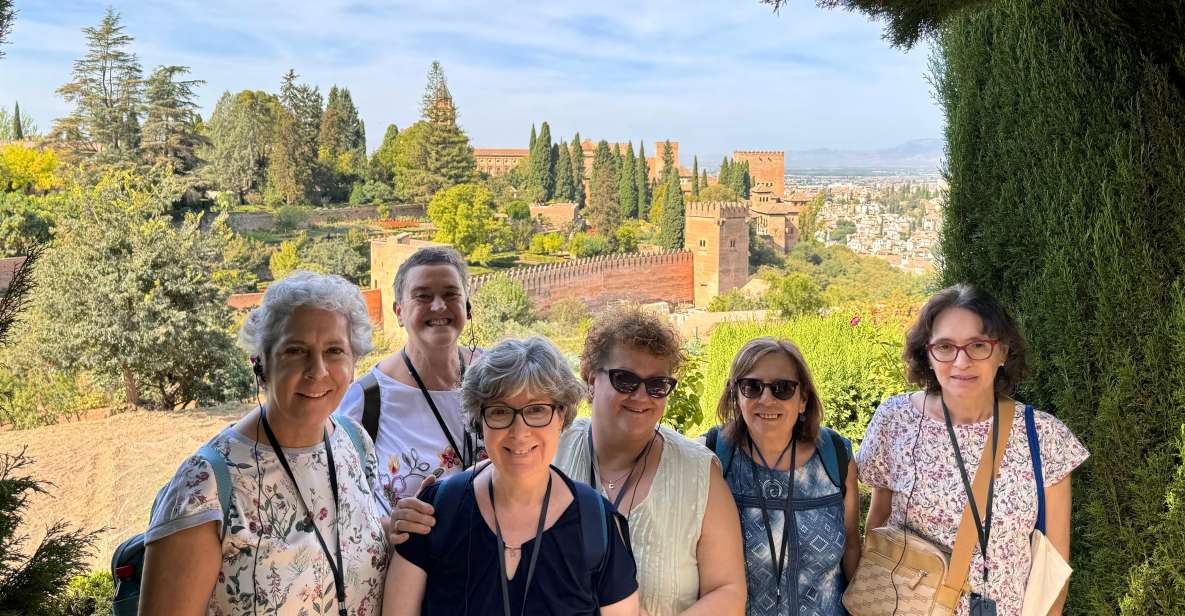
The Alhambra is big, and it doesn’t forgive guesswork. With this private format, you’re not just walking from one famous room to the next—you’re building a map in your head as you go.
What I like most is the order: gardens to residences to fortifications to palaces. It’s the difference between seeing the Alhambra and actually understanding why each area exists.
Also, you’ll notice the guide’s role right away. In a space where details can overwhelm, a guide helps you spot what matters—patterns, symbols, layout logic, and the way light moves through key spaces.
You can also read our reviews of more private tours in Granada

Arriving at the Access Pavilion: where the tour starts
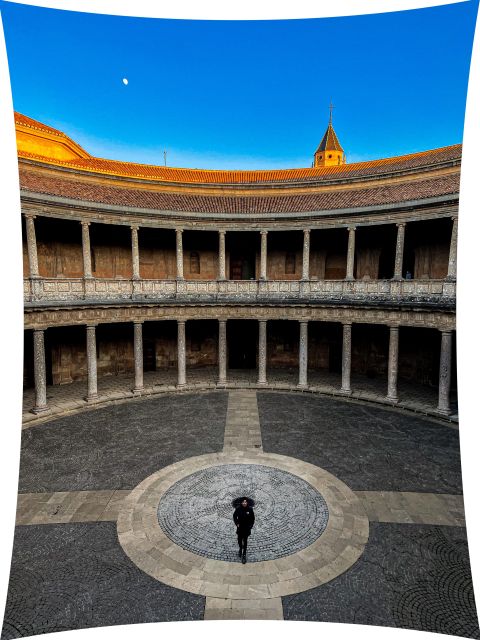
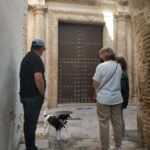
Your meeting point is right in front of the big ceramic map that says ALHAMBRA at the Access Pavilion of the Alhambra. That’s one of those small details that saves your energy. You don’t waste time hunting a vague meeting spot while your timed entry window ticks by.
The tour ends back at the same place. That matters on Alhambra days, when you already feel like you’ve been inside a maze for hours.
If you’re hoping to avoid confusion with stairs or pathways, this tour can also be handled thoughtfully. In at least one case, Ana arranged wheelchair and special access and avoided almost all stairs for the total tour—so if you need help, say so early and be clear about your limits.
Generalife Gardens: orange blossoms, water, and power
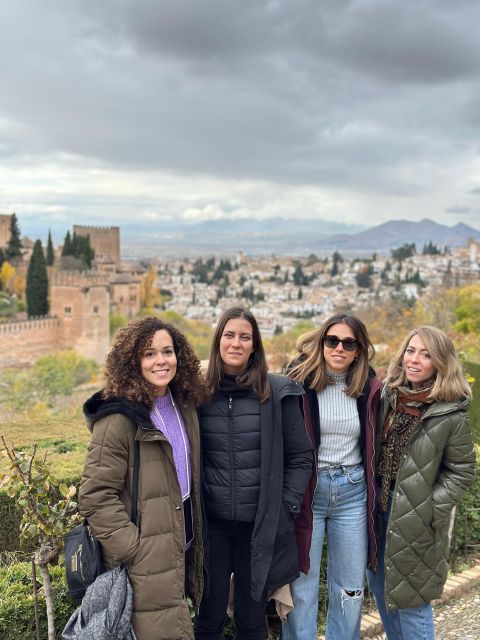
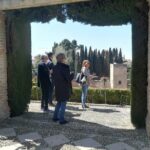
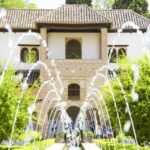
The tour starts in the Generalife, the sultans’ summer residence. This is where the Alhambra shifts tone. Instead of fortress seriousness, you get a calmer rhythm—paths, views, and fragrance.
Plan on about an hour here. You’ll wander through gardens where orange tree flowers and roses are part of the atmosphere, not just decoration. You’ll also connect that beauty to function, learning about the unique hydraulic system that brought the Alhambra to life.
This is one of the most practical parts of the whole experience. Once you understand the water system, the fountains and greenery stop feeling like scenery. They become evidence of planning—someone built an entire comfort zone inside a harsh landscape.
You’ll also hear about the original orchards that fed the Nasrid Royal family. It’s a neat reminder that the Generalife wasn’t only for leisure; it supported daily life and status.
Calle Real de la Alhambra and the Medina: reading the citadel
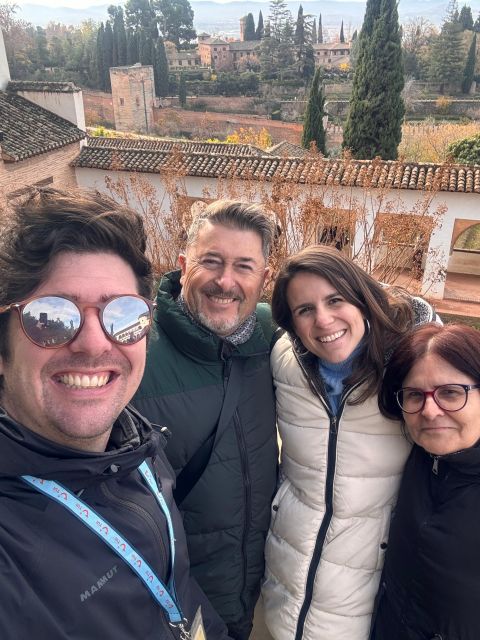
After the gardens, you move into the Medina—the former residential area of the Alhambra. This stop is about context. The palaces can feel like a world unto themselves, but the Medina shows the human scale around power.
Expect roughly 30 minutes, focused and guided. You’ll walk through the Calle Real de la Alhambra, the main street that helps you understand how people moved through the complex and how the layout supported both order and separation.
What I like here is the way the guide threads daily life into the architecture. Even in a short window, you start to notice who belonged where, and why the spaces were designed the way they were.
There’s also a short break before you reach the oldest part of the Alhambra. That timing is smart. By the time you hit the fortress area, you’re ready to look longer than you think you can.
Alcazaba viewpoints: the fortress that gives you Granada back
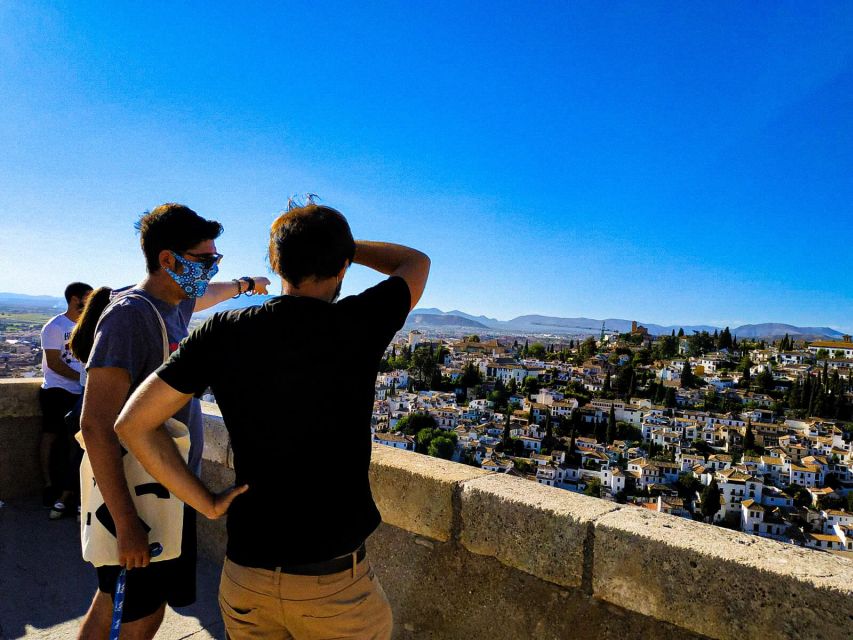
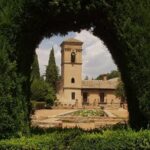
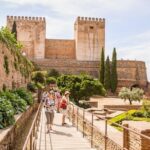
The Alcazaba is the oldest part of the Alhambra, and it reads like a fortress first. You’ll get about 30 minutes here, but the value is in the stops your guide chooses for you.
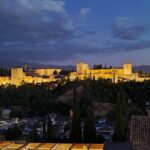
This is where the viewpoints matter. The Alcazaba gives you strong angles back toward Granada, and it’s not just for a quick picture. The guide can help you interpret what you’re seeing—how the fortress position relates to the city.
I like the pace in this section. You’re not just climbing; you’re pausing with purpose. And when you’re done, you’ll feel like you’ve earned a better look at the palaces that come next.
If you’re sensitive to stairs, ask in advance. The Alhambra is famous for challenging terrain, and guides can plan access paths. That same wheelchair-friendly coordination that worked for one tour group may not be identical in every situation, but it’s a real example that support is possible.



Nasrid Palaces: where the Throne Room story lands
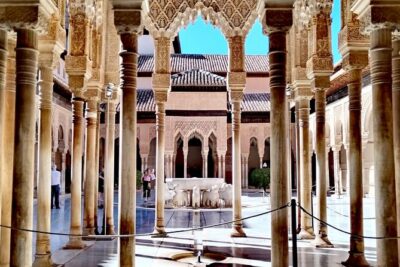
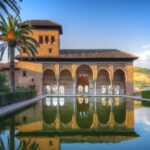
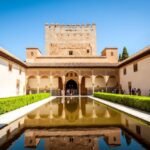
Now you reach the stars: the Nasrid Palaces. You’ll spend about an hour here, and this is where Islamic art and architecture show their full force.
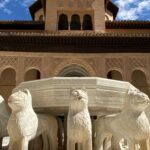
You’ll see major rooms including the Throne Room of the Sultan. The best part is not the word-famous label. It’s the way the guide connects rooms to the last Muslim rulers of Spain, the Nasrid royal family.
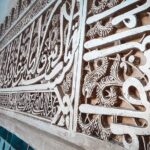
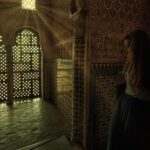
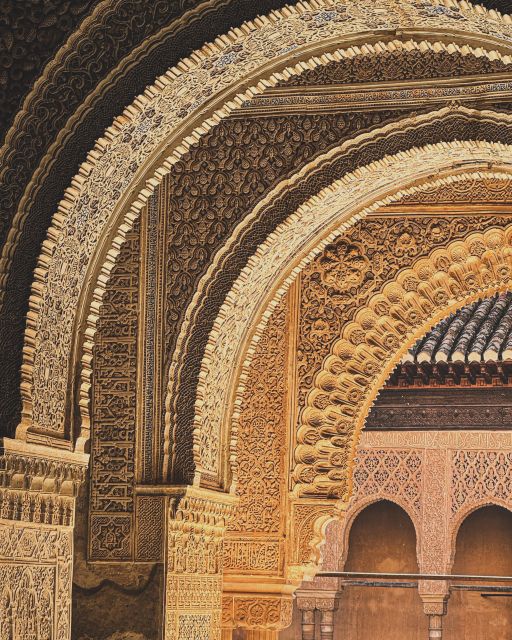
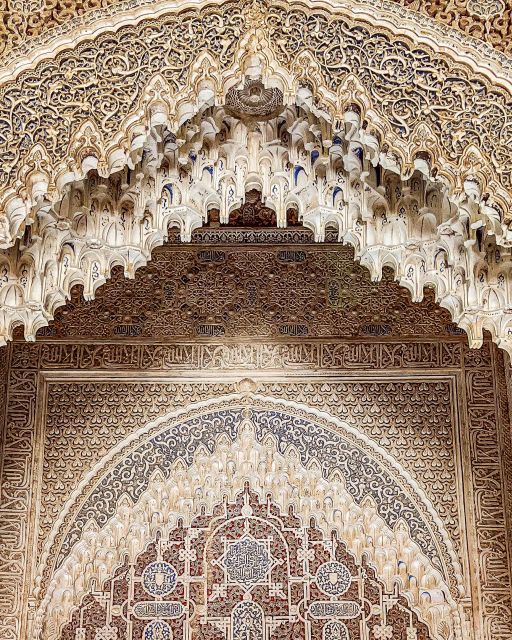
Hearing what happened in these spaces changes how you look at them. The carvings, inscriptions, and geometry stop being decorative and start feeling like messaging. This is where architecture becomes a language—built for ceremony, authority, and lived experience.
If you love photography, this is also your reward section. Many details are built for close inspection: patterns, light, and proportions that look different from one angle to the next. A guide’s hints—where to stand, what to notice first—can make the difference between snapping shots and actually recording the meaning.
The guide makes or breaks the experience
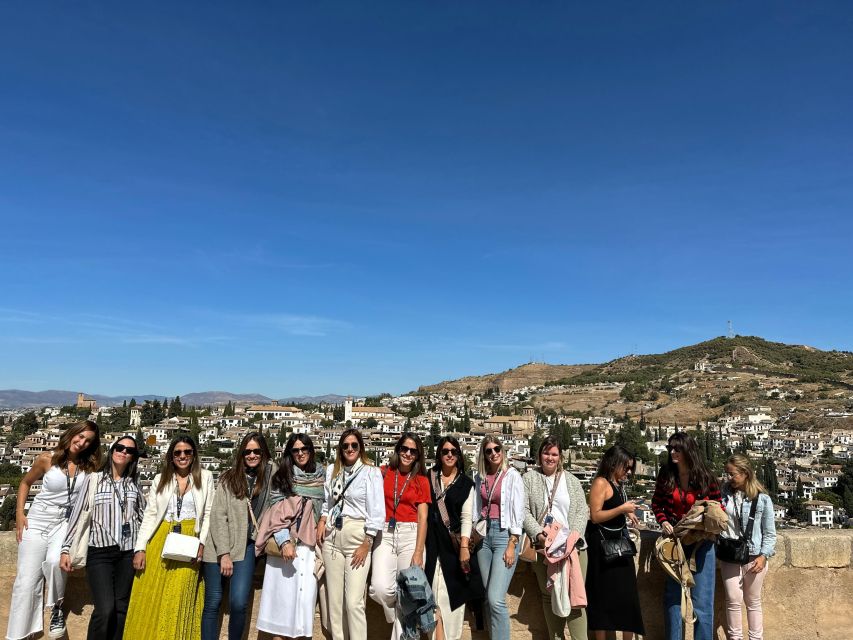
The tour lives and dies by the person holding the thread. The names you might get—like Carmen, Ana, Asier, Jamie, Juan Antonio, and Christian—show a common pattern: they keep people engaged and explain clearly.
In particular, I’d pay attention if you’re traveling with kids or teenagers. Several guide stories emphasize how well the experience holds attention even for younger minds, with pacing that doesn’t feel like a lecture.
One practical perk: some guides use headset-style radio devices when the group is large. Even if you’re in a smaller private group, it’s a reminder that sound matters in crowded areas. You won’t constantly strain to hear your guide over the noise.
And yes, skip-the-line access is a real sanity saver. The Alhambra can become a waiting game, and this tour is designed to move you into the experience faster.
Price and value: what you’re really paying for
At $130 per person for about 3 hours, this isn’t a bargain tour. But the price makes sense if you add up what’s included: a live guide, skip-the-ticket-line entry, and admission to both the Alhambra and Nasrid Palaces.
For a site this complex, the guide time is the expensive part you’re buying back. Without a guide, it’s easy to walk past key meanings and miss the connections between water, layout, everyday life, defense, and royal spaces.
The postcard souvenir is a small touch, but it’s also a nice reminder that the tour gives you something you can keep. The postcard is designed by a local architect and includes a Sierra Nevada or Fountain of the Lions silhouette—details that feel more intentional than a generic souvenir rack.
Practical tips so your 3 hours feel like more
Here are a few things I’d do to make the most of a tight, high-impact visit:
- Wear grippy shoes. The Alhambra involves uneven ground and lots of moving between areas.
- Bring a plan for breaks. There’s a short break built in, but you’ll still want water and a moment to reset.
- Ask one good question early. If you ask about the hydraulic system during Generalife, you’ll carry that lens into later parts.
- Take your time at the Alcazaba viewpoints. That’s the spot where your brain starts to zoom out and understand the complex’s relationship to Granada.
- If accessibility matters, communicate your needs before you go. This tour is wheelchair accessible, and special access has been arranged for at least one group to avoid nearly all stairs.
Also, if you prefer legends and personal stories over architecture and layout, you might want to set that expectation with your guide. One theme that comes up is that the tour can be more architectural in emphasis, so guide Q&A is your chance to balance it.
Should you book this private Alhambra tour?
I’d book this if you want a guided, ordered visit that covers the big hits without losing the plot. The combination of Generalife, Alcazaba, and the Nasrid Palaces is exactly what you want when you only have a half-day and you don’t want to spend it decoding the complex.
Choose it especially if:
- You care about the meaning behind the details, not only the views.
- You’re visiting with family and want your time to stay engaging.
- You want skip-the-line entry and a guide who helps you move through a busy site.
Skip it or reconsider if:
- You want hours of slow roaming in just one area. This is designed to cover a lot in about three hours, so it moves.
- You strongly prefer legend-heavy storytelling. This tour tends to prioritize design, layout, and explanations, though you can steer questions your way.
If the Alhambra is the main event of your Granada trip, this private format is one of the best ways to turn a famous monument into a clear, satisfying experience.
FAQ
How long is the tour?
The tour lasts about 3 hours. Starting times vary, so you’ll want to check availability for the slot you want.
Where do we meet, and where do we end?
Meet your guide right in front of the big ceramic map that says ALHAMBRA at the Access Pavilion of the Alhambra. The tour ends back at the same meeting point.
What parts of the Alhambra are included?
You’ll visit Generalife (about 1 hour), Calle Real de la Alhambra (about 30 minutes), the Alcazaba (about 30 minutes), and the Nasrid Palaces (about 1 hour).
Is entry to the Nasrid Palaces included?
Yes. Entry ticket access to both the Alhambra and the Nasrid Palaces is included, and the tour includes skip-the-ticket-line access.
Does this tour include a guide and radio devices?
Yes, the tour includes a live guide. Radio devices are provided for groups bigger than 5 people.
What languages are available?
The live guide is available in English, Italian, and Spanish.
Is the tour wheelchair accessible?
Yes, it is wheelchair accessible. Special access arrangements have been handled during the tour when needed.
What’s the cancellation policy?
You can cancel up to 24 hours in advance for a 50% refund.