REVIEW · ALBAICIN & SACROMONTE WALKING TOURS
Granada: Albaicín and Sacromonte 2.5-Hour Walking Tour
Book on GetYourGuide →Operated by Feel the City Tours · Bookable on GetYourGuide
Granada’s hills put history on display. This Albaicín and Sacromonte walking tour mixes narrow streets, old Granada landmarks, and breathtaking Alhambra views while a local guide explains how Moorish Granada shaped the city. I also like how the walk covers two very different neighborhoods without turning into a rushed checklist; you get the feeling of walking through real life, not just sights. The catch: it’s a steep route with lots of uphill steps, so wear good shoes and expect to work a bit.
I love the way the tour connects architecture to everyday life—Moorish design, the city’s walls around the Alcazaba, and even water systems that relate to how Granada has functioned for centuries. Then it shifts gears into Sacromonte’s cave neighborhood, where the setting itself tells a story. If you’re sensitive to heat or climbing, plan smart and pace yourself (your guide can slow down, but you’ll still feel the hills).
In This Review
- Key highlights that make this walk worth your time
- Why Albaicín and Sacromonte Make a Perfect 2.5–3 Hour Granada Walk
- Starting at Plaza Isabel La Católica: Your Route Begins with a Reset
- Tracing Moorish Granada: City Gates, Alcazaba Walls, and Water Logic
- Albaicín Streets and the Views: Where the Alhambra Becomes More Than a Sight
- The Sacromonte Shift: From Hilltop Streets to Cave Life
- Price and Value: Why $23 Feels Like a Bargain for This Much Story
- Pace, Shoes, and Weather: The Practical Stuff That Will Make or Break It
- Who Should Book This Tour (And Who Might Prefer Something Different)
- Should You Book the Granada: Albaicín and Sacromonte Walking Tour?
- FAQ
- How long is the Granada: Albaicín and Sacromonte walking tour?
- Where does the tour start and end?
- How much does the tour cost?
- What’s included in the price?
- What language is the tour guide speaking?
- What neighborhoods are covered on this walk?
- Will I see views of the Alhambra during the tour?
- Is it possible to cancel?
Key highlights that make this walk worth your time
- Alhambra viewpoints from the neighborhoods above: you’ll see the fortress-area in multiple angles as you move uphill.
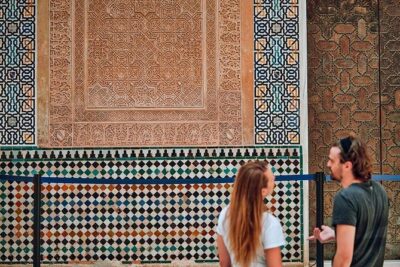
- Moorish architecture explained in plain terms: the guide ties details to how the city was built and used.
- Old city gates and walls near the Alcazaba: history comes out of the stones as you walk past remnants.
- Sacromonte caves: the Gypsy neighborhood’s cave setting is the big visual payoff.
- A local guide who manages pace and questions: names like Josh, Juana, Juanita, Laura, and Santiago show up in firsthand accounts of what a good guide can do.
Why Albaicín and Sacromonte Make a Perfect 2.5–3 Hour Granada Walk
Granada’s best “aha” moment isn’t inside a building. It happens when you step into the neighborhoods that cling to the hills. That’s what this tour delivers: a short, focused walk across two of the most historic areas—Albaicín and Sacromonte—so you leave with a clearer mental map of the city.
The value here is not just the views (though you’ll get those). It’s the storyline: you start with the Moorish-era layout and fortifications around the Alcazaba, then you move into Sacromonte’s cave culture. Put together, those parts explain why Granada feels layered—different eras literally share the same ground.
This is also a good “first Granada” or “second-day refresher” kind of tour. If you’re planning to see the Alhambra soon after, the viewpoints and background help you understand what you’re looking at. If the Alhambra is still days away, the tour still helps you feel oriented before you go.
One note to keep you happy: this is an active walking tour. If your day already includes a lot of stairs, bring the right energy.
You can also read our reviews of more walking tours in Granada


Starting at Plaza Isabel La Católica: Your Route Begins with a Reset
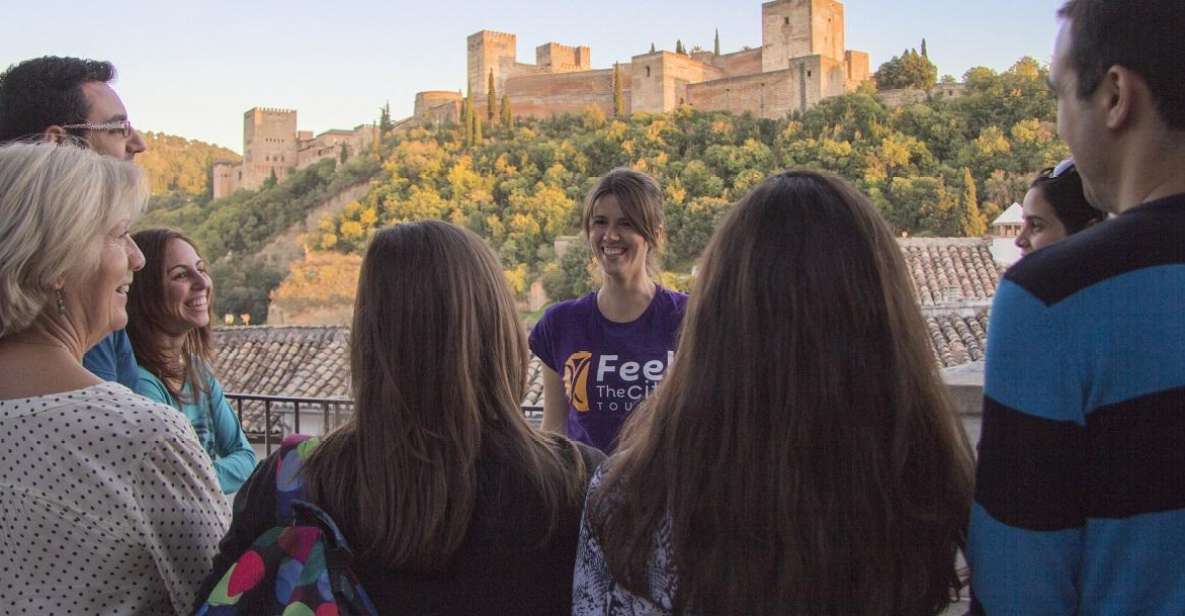
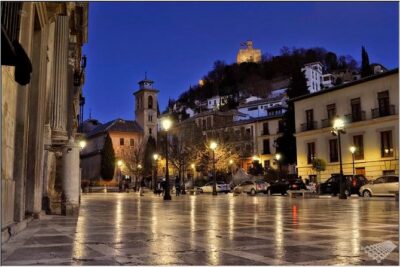
You meet at Plaza Isabel La Católica in Granada, and the tour ends back at the same starting point. That matters more than you might think. It means you don’t have to solve logistics after a climb—when you’re done, you’re already back where you began, ready to head for tapas or a rest.
Starting here is also useful because it gives the guide a clean way to orient the group. You’ll get early context about Granada’s origins and why these neighborhoods developed where they did. From the very beginning, you’re not just walking randomly—you’re walking with a reason.
If your guide is someone like Josh, Juana, Juanita, or Laura, you’ll likely feel how they shape the experience: they answer questions, point out details you might miss on your own, and keep the pace steady. Some guides have also been noted for strong English—helpful if your Spanish is still a work in progress.
Tracing Moorish Granada: City Gates, Alcazaba Walls, and Water Logic
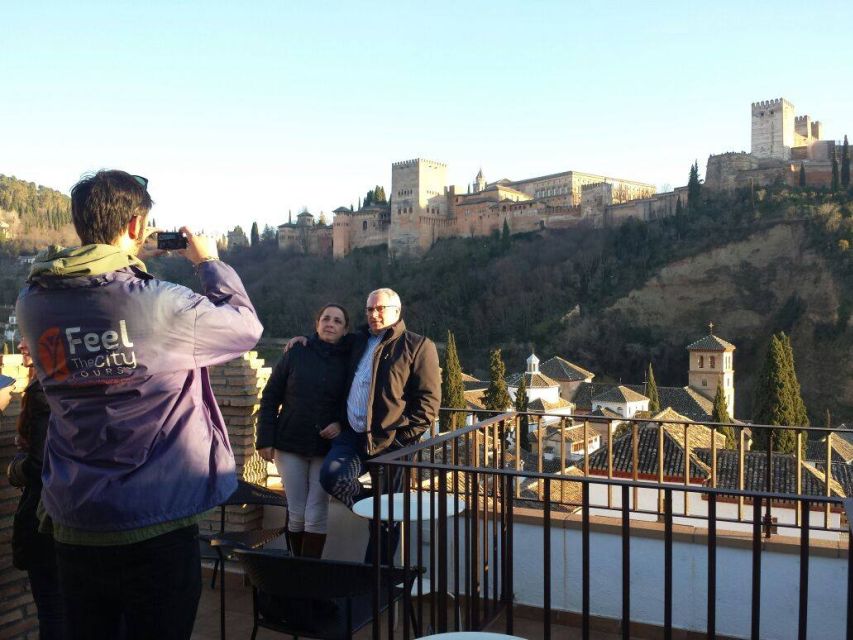
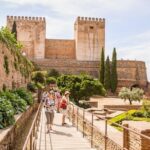
One of the most satisfying parts of this tour is how it treats history as something you can see while walking. You’ll head toward the remains of city gates and old city walls that relate to the Alcazaba area. Instead of big, distant monuments, you’re looking at remnants—pieces that feel more human-scale.
Here’s the practical takeaway: once you understand the defensive logic and layout, Granada’s hill neighborhoods start making sense. You stop asking, Why is everything so steep and confusing? and start thinking, This was built for survival, control, and protection.
The guide also focuses on Moorish architecture and the mix of cultures that lived in the area over time. A highlight that comes up in accounts of the experience is the explanation of a water distribution system still in use today. That detail is gold. Water isn’t a side story in Granada—it’s part of why people could live here and why the city’s design keeps shaping the city today.
If you like learning that connects cause and effect, this portion is where the tour earns its price. It turns walls and street patterns into something you understand, not just something you photograph.
Albaicín Streets and the Views: Where the Alhambra Becomes More Than a Sight
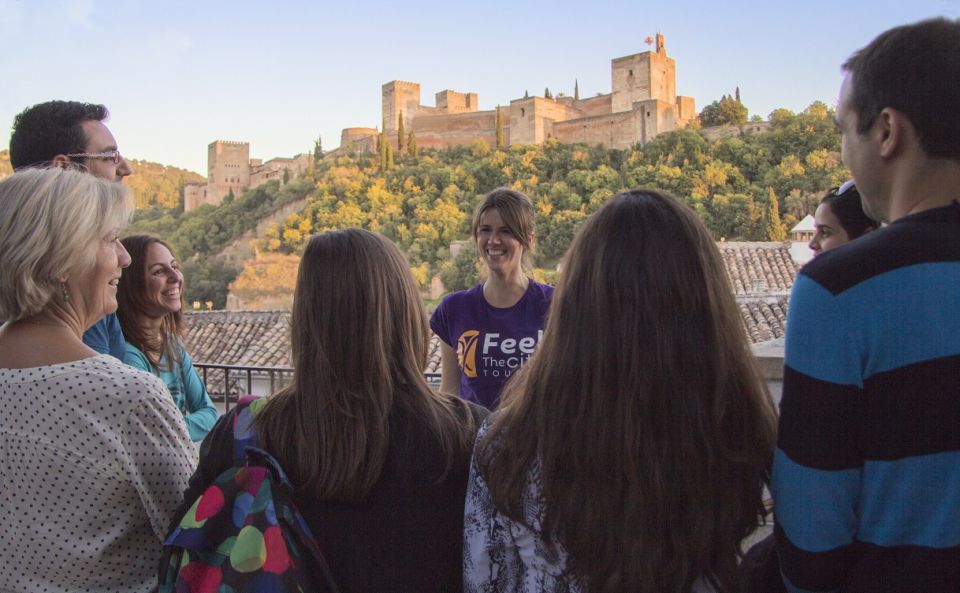
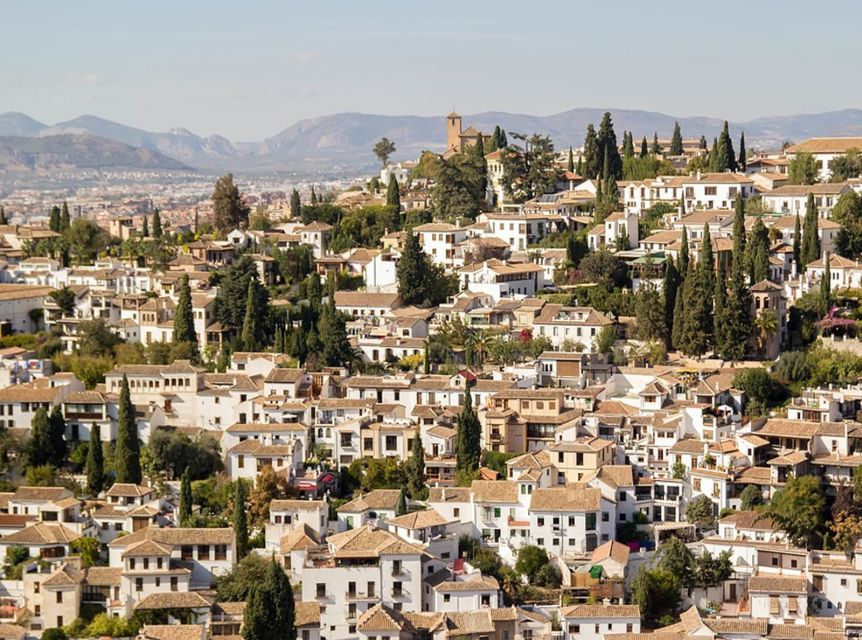
Albaicín is the neighborhood where Granada’s postcard look starts to feel real. During this walk, you’ll spend time on the narrow streets of the area, moving through a maze of corners and turns.
I like this stage because it’s not just about passing buildings. You’re learning to read what’s around you: the way the street curves, how viewpoints open up, and how the neighborhood’s shape connects to the Alhambra in the distance.
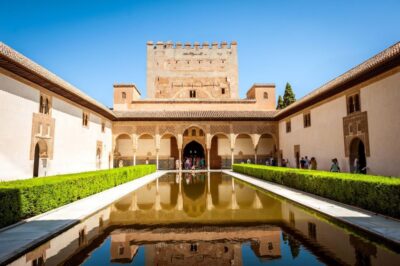
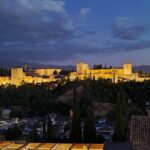
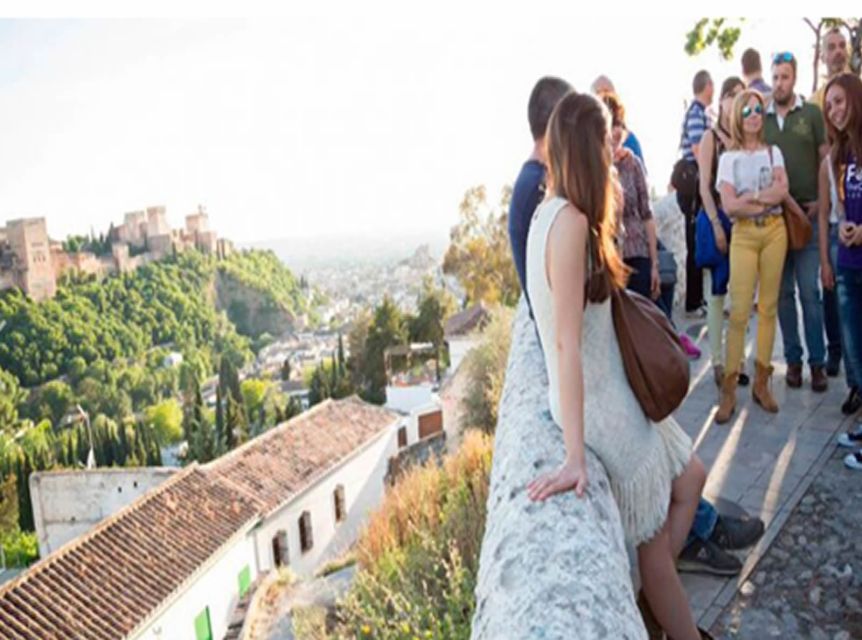
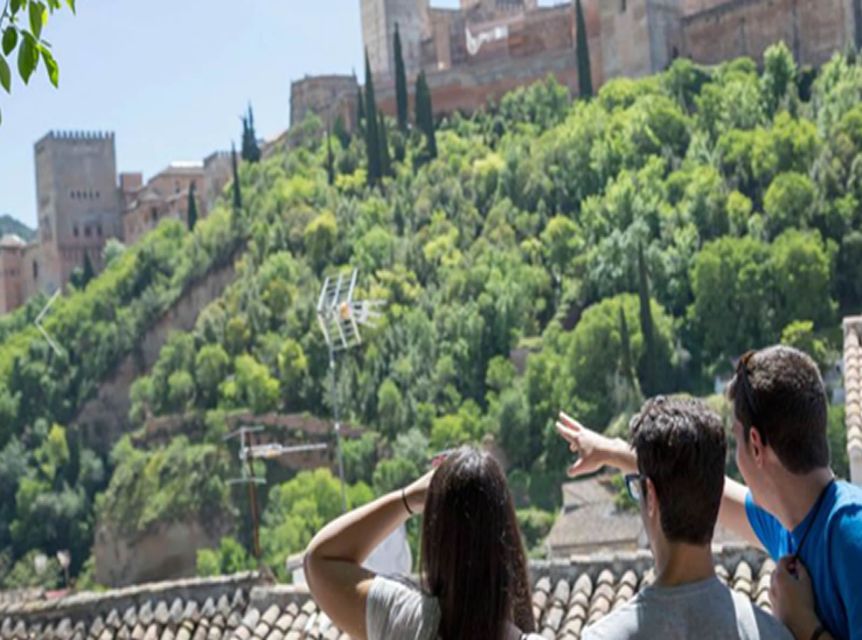
And then comes the best reward: breathtaking views of the Alhambra. You’re not seeing it once from a single overlook—you’re getting multiple angles as you walk higher. That repetition helps it stick in your brain. It also gives you better photo options because the perspective changes as the route climbs.
There are also small naming stories and cultural details that make Albaicín feel personal. For example, one account mentions learning about the origin of the name Carmen—the term commonly used for many of the gardens and properties in the area. Even if you don’t end up visiting one of these gardens right away, understanding the word gives you a head start.
Important reality check: this neighborhood involves uphill walking. One firsthand note frames it as a serious workout, mentioning something like 800 feet of stairs. That doesn’t mean you can’t do it—but it does mean you should go in prepared.
The Sacromonte Shift: From Hilltop Streets to Cave Life
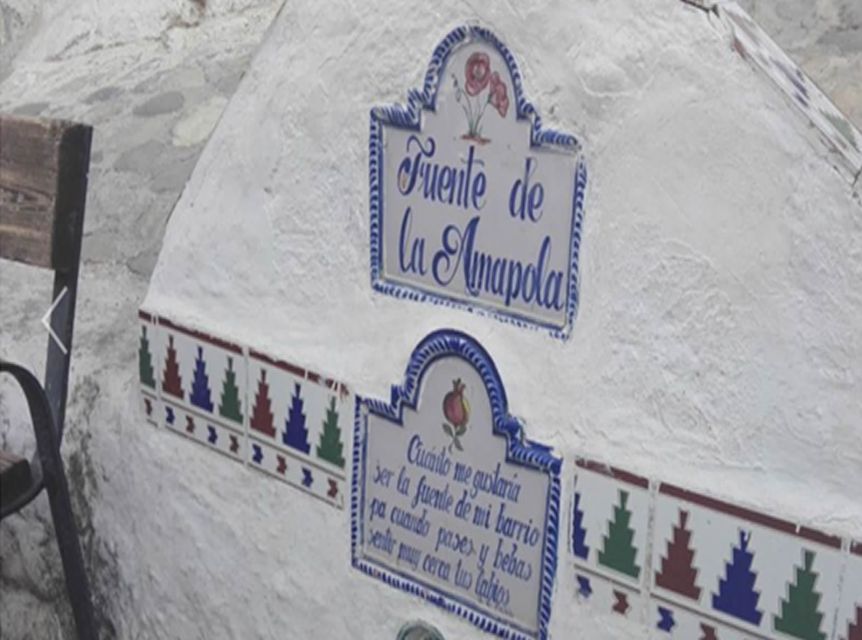
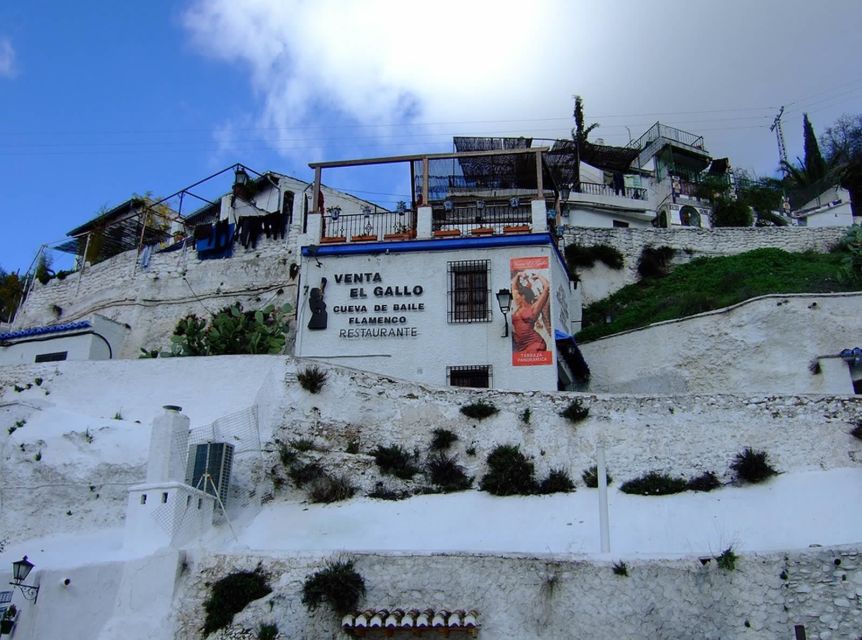
After Albaicín, the tour moves into Sacromonte, the famous cave neighborhood. This is where the experience changes character. The streets can still feel winding, but the setting begins to look different fast—stone, slopes, and caves carved into the mountainside.
The big highlight here is straightforward: you’ll go to the caves of the Gypsy neighborhood. It’s not just scenery; it’s a living geography. The cave setting helps you understand why this neighborhood became known for a particular kind of cultural life tied to place.
This part also tends to bring more of the human story into focus. In accounts of the experience, guides have talked about the origin of flamenco and connected it to the Gypsy way of life in the area. The tour data doesn’t promise flamenco as part of the walking itself, but it does cover the cultural history you’ll want if you’re a fan. And if your guide mentions a show to match the night you’re planning, it’s usually worth following up.
If the day you pick is very hot, plan accordingly. One guide was noted for slowing down to match an elderly group on a hot day. That’s a clue: a good guide is paying attention to the group’s energy level. You should still bring water and dress for sun.






Price and Value: Why $23 Feels Like a Bargain for This Much Story
At $23 per person, this is one of those Granada deals where you get a lot of payoff for a manageable time block. You’re paying for three things:
- A live local guide (included) who explains what you’re seeing.
- Two major neighborhoods in one outing—Albaicín plus Sacromonte—covering both Moorish and cave-dwelling cultural settings.
- Multiple Alhambra viewpoints without the hassle of self-planning every turn.
A walking tour can sometimes feel like “just walking,” but this one is more structured than that. It links streets and remnants (like the city gates and Alcazaba walls) to a clear narrative: how Granada formed, how Moorish design mattered, and how later cultural layers took root.
The real value shows up if you’re using this tour strategically. I’d book it when:
- You want orientation before you tackle the Alhambra in detail.
- You don’t want a full day spent only in the tourist core.
- You enjoy walking with context, not walking for exercise alone.
Pace, Shoes, and Weather: The Practical Stuff That Will Make or Break It
This tour lasts about 3 hours, and it’s built around walking on steep terrain. Even though 2.5 hours is often how it’s described, expect it to run closer to the full timeframe depending on stops, questions, and the group pace.
So here’s what you should plan for:
- Stairs and uphill climbs: it’s not flat. If you struggle with steps, choose a less demanding day or pace carefully.
- Heat: Granada can be intense. If your schedule allows, try to go earlier in the day or bring a plan for sun.
- Comfort for uneven streets: Albaicín and Sacromonte are real neighborhoods, not polished paths.
The upside is that the rewards scale with your effort. Guides have been praised for being flexible with pace and for choosing the right stops so you still feel like you got the story and the views.
One more practical note: the tour guide language is Spanish. In some accounts, guides have offered very good English, but you shouldn’t count on that for every departure. If you want the most from the explanation, a little Spanish (even basic history words) helps, but it’s not required to enjoy the sights.
Who Should Book This Tour (And Who Might Prefer Something Different)
This walk is a great fit if you:
- Want the Albaicín + Sacromonte combo without spending a whole day deciding where to go.
- Like architecture stories that connect to real urban design (walls, gates, and water logic).
- Enjoy getting viewpoints along the way instead of seeking a single viewpoint and calling it done.
- Care about cultural context, especially the Moorish influence and Sacromonte’s cave culture.
It’s not the best match if you:
- Have trouble with steep climbs and lots of steps.
- Are looking for an easy stroll with minimal elevation change.
- Need a completely level, fully accessible route (the tour is built around hills).
If you’re unsure, think of it like this: you’re choosing a short history hike with big views. If that sounds fun, book it.
Should You Book the Granada: Albaicín and Sacromonte Walking Tour?
Yes, if you want a smart way to understand Granada’s structure and not just its famous highlights. For $23, you get a local guide, a clear cultural arc across two historic neighborhoods, and multiple chances to see the Alhambra from the hillside.
I’d book it especially if you:
- Are spending limited time in Granada.
- Want a walking tour that explains why the city looks the way it does.
- Plan to visit the Alhambra and want better context before you arrive.
Hold off if stairs are an issue for you, or if you’re traveling on a day where you already know you’ll be wiped out by heat and walking. In those cases, you may enjoy Granada more with a gentler option.
If you do book it, go in with good shoes, some water, and the right mindset: this tour is where Granada’s neighborhoods start telling their story—step by step, view by view.
FAQ
How long is the Granada: Albaicín and Sacromonte walking tour?
The tour runs for about 3 hours.
Where does the tour start and end?
It starts at Plaza Isabel La Católica in Granada, and it ends back at the same meeting point.
How much does the tour cost?
The price is listed as $23 per person.
What’s included in the price?
The tour includes a live tour guide.
What language is the tour guide speaking?
The tour language is Spanish.
What neighborhoods are covered on this walk?
You’ll cover Albaicín and Sacromonte, including the cave area in the Sacromonte neighborhood.
Will I see views of the Alhambra during the tour?
Yes. The tour highlights include breathtaking views of the Alhambra.
Is it possible to cancel?
Free cancellation is available up to 24 hours in advance for a full refund.