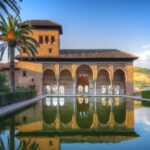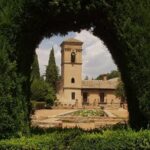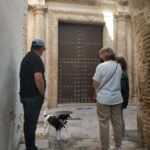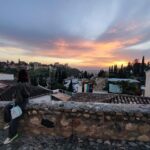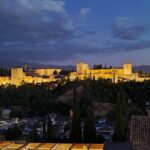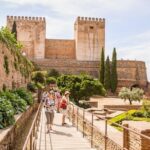
Granada’s viewpoints feel like magic. This 2-hour walking tour threads together Albaicín and Sacromonte with timed photo stops at two famous miradors, plus a look at the cave-world tied to flamenco. The result is a fast, scenic way to understand why this area earned UNESCO attention alongside the Alhambra.
What I like most is the mix: big-picture city context at the miradors, then real-life atmosphere in Sacromonte’s cave neighborhood. I also love how guides like Mario and Mia keep things moving and talk through what you’re seeing so the route actually makes sense. The main drawback is the walking itself: you’ll face steep climbs and stairs, so bring sturdy shoes and plan for a bit of uphill effort.
In This Review
- Key things worth knowing before you go
- Granada’s Albaicín + Sacromonte, in one well-paced walk
- Price and value: is $30.23 worth it?
- Where you start (and how the route flows)
- Mirador de Los Carvajales: a calm start with big angles
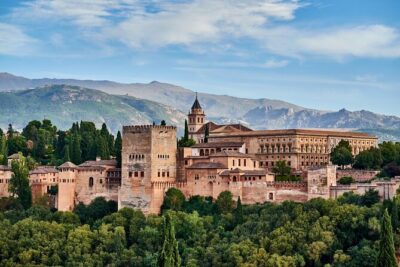
- Mirador de San Nicolás: Alhambra views and storytelling time
- Albaicín on foot: UNESCO-area streets you can actually feel
- Sacromonte caves and flamenco culture, without needing a ticket
- Paseo de los Tristes: photos, history, and a place to eat after
- Guide impact: why Mario and Mia change the whole tour
- What to wear and how to make the stairs feel easier
- Small perks that actually help: Wi‑Fi and phone charging
- Should you book the Granada’s Hidden Treasures walking tour?
- FAQ
- How long is the Albayzín and Sacromonte walking tour?
- How much does the tour cost?
- Is the tour offered in English?
- What’s included in the price?
- What’s not included?
- Where do I meet the guide?
- How physically demanding is it?
- Are service animals allowed?
- Can I get a refund if I cancel?
Key things worth knowing before you go
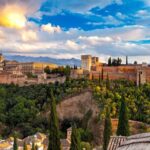
- Two miradors that frame the Alhambra: Mirador de Los Carvajales and Mirador de San Nicolás give you “oh wow” angles without needing to hunt for them.
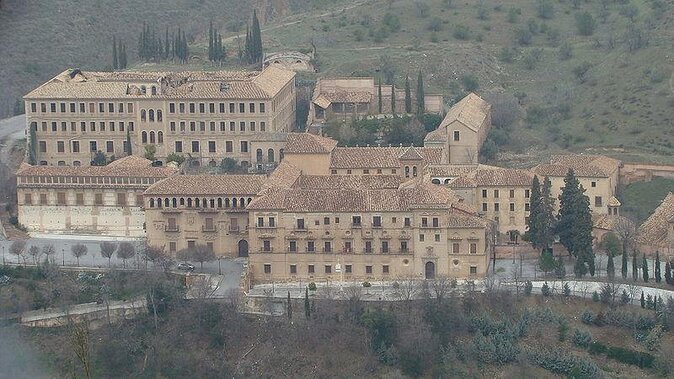
- Sacromonte cave-house stop: You get a close look at the cave setting that’s tied to the area’s culture and flamenco.
- Small group size (max 15): It’s easier to hear your guide and keep the pacing comfortable.
- A focused 2-hour route: You hit the highlights fast, then you’re free for tapas or wandering on your own.
- Practical add-ons: Free Wi‑Fi and a phone charging station help you stay online for maps and photos.
- Moderate fitness required: Expect uphill steps; the tour isn’t a flat stroll.
Granada’s Albaicín + Sacromonte, in one well-paced walk
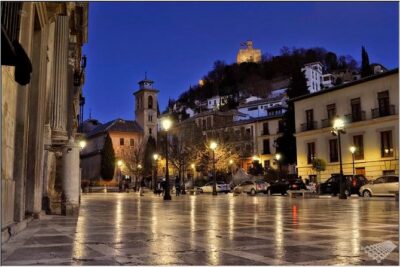
If you want Granada to feel lived-in, not just postcard-perfect, this is a smart way to do it. You start in the Albaicín area near Carrera del Darro, then work your way through narrow streets and viewpoints that reveal the city’s layers. The route is designed for people who want the best angles while someone else handles the “where do we go next” part.
I also like the pacing. It’s short enough that you don’t feel dragged around for hours, but long enough to get context at each stop. You’ll spend time at two viewpoints, then shift into neighborhood walking—first Albaicín’s historic streets, then Sacromonte, where the caves and flamenco culture sit at the center of the experience.
One more reason this tour works: the focus is on what you can actually see in the moment. You’re not rushing past everything at street level. Instead, you pause, look, and learn how the scenery connects to the city’s story.
You can also read our reviews of more walking tours in Granada

Price and value: is $30.23 worth it?
At $30.23 per person for about 2 hours, the value comes from what’s included and what’s not.
Included is a local guide, plus free Wi‑Fi and a phone charging station. Those small tech perks matter in Granada because you’ll use your phone for photos, maps, and quick searches when you’re standing somewhere specific.
Also, this tour is built for efficiency. If you’ve tried to “self-mirador” in Granada, you know the hard part isn’t admiring the views—it’s deciding which streets to take, and when. Here, you get a planned route with multiple stops, so your time isn’t wasted looping around steep hills.
What’s not included is also important:
- Alhambra tickets (so don’t plan on getting into the palace complex on this walk)
- Food and drinks (you can grab tapas on your own after)
- Hotel pickup and drop-off (you’ll meet at the set point)
If your priority is: see viewpoints fast + understand what you’re looking at, this price makes sense. If your plan is more about lounging with no structure, you might prefer a self-guided walk instead.
Where you start (and how the route flows)
The meeting point is Carrera del Darro, 1, Albaicín, 18010 Granada, Spain. The tour ends back at the same meeting point, so you’re not stuck figuring out your way out at the end while you’re tired and hungry.
The group stays small, with a maximum of 15 travelers, which helps with two things:
- Your guide can keep everyone together on steep lanes.
- You can actually hear the explanations, even if you’re near the back.
Duration is listed at about 2 hours, with short dedicated time windows at each stop. That timing structure is a big part of why it’s good value. You’re not “just walking.” You’re walking, then pausing long enough to take pictures and absorb the story behind the views.
Practical tip: this area is old-town steep. You’ll want to arrive early enough to get oriented, because the meeting instructions ask you to show up 5–10 minutes before departure.
Mirador de Los Carvajales: a calm start with big angles
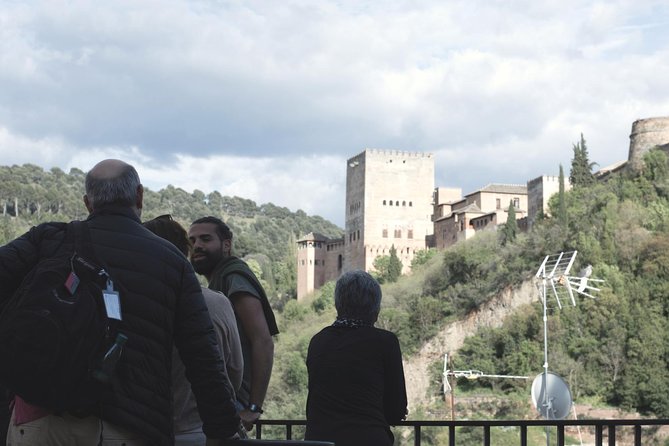
Your first viewpoint stop is Mirador de Los Carvajales, where the idea is simple: Granada is full of overlooks, and you get a proper one early. You’ll have around 15 minutes here, and admission is free.
What makes this stop feel useful is the timing. Starting with a viewpoint gives you a mental map. Once you see the city spread out, the rest of the walk makes more sense because you can recognize directions, elevations, and where the bigger sights sit in relation to you.
It’s also a decent “warm-up” for the kind of photos you’ll want later. If you take a moment to look around (not just up at the skyline), you’ll start noticing how the urban texture changes—stonework, street bends, and those dramatic elevations that make the neighborhoods feel stacked.
Downside to consider: viewpoints are still viewpoints. If you dislike heights or you’re traveling in wind or rain, you’ll want to be cautious and pick your footing. The good news is the time block is short, so it doesn’t become a long, uncomfortable wait.
Mirador de San Nicolás: Alhambra views and storytelling time
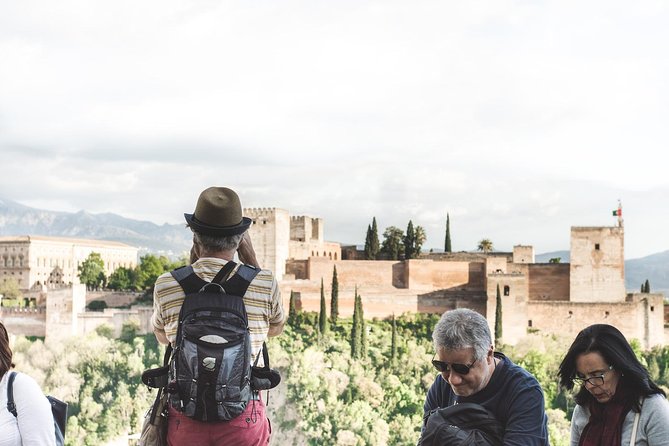
Next up is Mirador de San Nicolás, one of Granada’s most famous overlooks. You’ll have another 15 minutes here, again with free admission.
This is where the tour leans into understanding. The guide’s job is to help you connect the view to the city’s story—especially the relationship to the Alhambra complex—while you’re standing in the exact place where those connections make sense. You’re not just taking pictures; you’re learning what to look for.
I love stops like this because they do two jobs at once:
- They satisfy the “I came for the view” part.
- They make the view stick in your memory because you understand what you’re seeing.
If you want a bit of street-level atmosphere, this is also the place where the energy of the area tends to show up around you. It’s a natural moment to slow down, breathe, and ask questions.
Possible drawback: it can feel crowded compared to smaller overlooks. The upside is you’re not spending the whole day fighting logistics to get a top angle—you’re getting it as part of a planned route.





Albaicín on foot: UNESCO-area streets you can actually feel
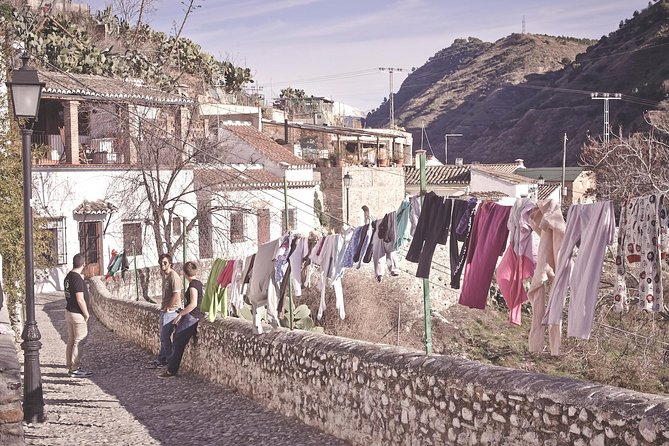
After the second viewpoint, you head into Albaicín itself. This segment is about 30 minutes, and it’s focused on the neighborhood: squares, streets, and the dense sense of time layered into the architecture.
Albaicín is especially interesting because it’s tied to the UNESCO World Heritage listing that connects with the Alhambra. You don’t need to be a history expert to appreciate the vibe. The streets naturally teach you the geography of the place: why the homes sit where they do, how the paths channel foot traffic, and how the neighborhood’s layout supports the views.
I like this part because it breaks up the “look-out-look-out” cycle. You get a more human walk—small turns, small pauses, and the kind of details you often miss if you’re rushing between landmarks on your own.
But here’s the tradeoff: Albaicín is steep. Even with a guided pace, you’ll climb. Some people find it manageable; others feel it in their legs. If you’re worried, plan to go slower than you think you need to and take advantage of the guide’s breaks rather than pushing.
Sacromonte caves and flamenco culture, without needing a ticket
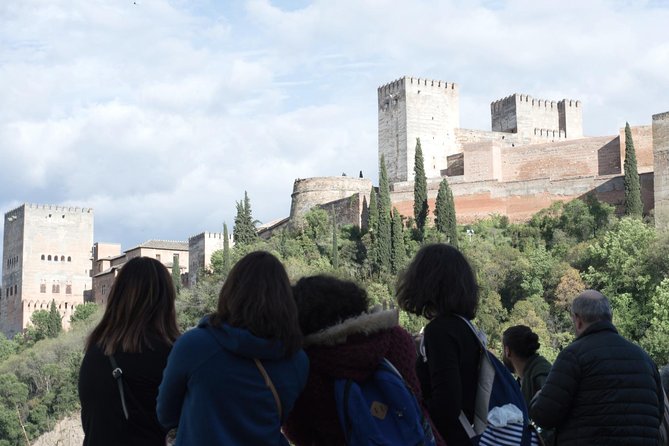
Then comes Sacromonte, the neighborhood built around cave homes. You’ll spend about 30 minutes here with a guide, learning about the cave setting and the local connection to flamenco.
This is one of the most satisfying parts of the tour because it shifts from viewpoints to lived-in environment. At this stage, you stop thinking only in terms of “views” and start thinking in terms of how people actually occupy these spaces—what the caves look like, how they’re built into the hillside, and why this area became culturally famous.
You also get the flamenco context that ties the neighborhood together. Even if you’ve seen flamenco performances before, walking through the setting helps you understand why the culture developed here and how it still shapes the identity of Sacromonte.
The key practical point: this isn’t a museum-style experience with long indoor time. It’s a walking neighborhood stop where you’ll probably be on uneven ground near cave entrances. Bring shoes with grip and avoid anything too slick.
Also, don’t assume you’ll leave with an Alhambra ticket. This tour doesn’t include Alhambra entry, so treat it as a cultural and visual companion to a separate Alhambra visit if you want both.
Paseo de los Tristes: photos, history, and a place to eat after
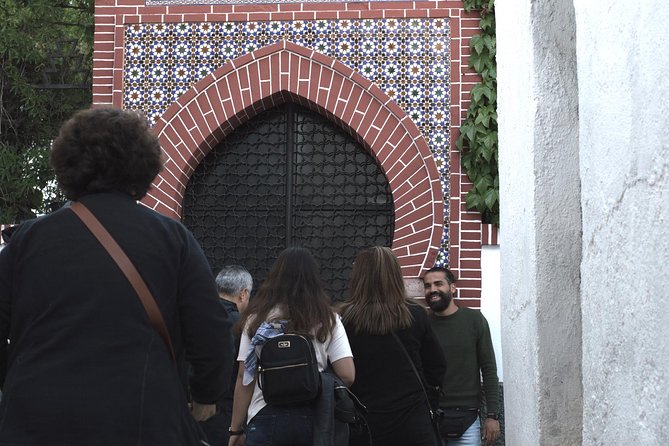
Your final stop is Paseo de los Tristes, a historic avenue with a name that stands out, especially once you’re standing there. You’ll have about 15 minutes.
This last viewpoint-ish stretch works well because it turns the walk into a choose-your-own-next-step moment. You can use the time for photos, then immediately shift into food mode. The tour is also a good way to find local food options afterward, since the neighborhood is known for tapas bars.
What I like about this finish is the rhythm:
- First you see the city and get the big picture.
- Then you walk the neighborhoods and learn the texture of place.
- Then you end where it’s easy to keep exploring and eat without a lot of extra effort.
If you’re sensitive to crowds, remember that this is a popular area to stroll and snack. Keep your expectations flexible and treat the end of the tour as a starting point, not the grand finale.
Guide impact: why Mario and Mia change the whole tour
A walking tour succeeds or fails based on the person leading it. Here, the guide experience shows up in a clear way: names like Mario and Mia come up because people liked the way the tour felt like conversation, not a script.
The best guided moments are usually the ones you don’t notice at first. You’ll see a street, a viewpoint, a cave entrance—and you’ll learn what to focus on while you’re looking. That turns scattered sightseeing into something coherent. It also helps with the uphill sections, because a good guide paces climbs so you can still listen, ask questions, and not feel like you’re sprinting.
I also like that the tour style seems to leave room for practical tips—especially around food and what to try next. One of the most helpful things you can get in Granada is a suggestion for where to eat nearby so you don’t end up with tourist-only choices.
No guide is perfect for every traveler, though. Some people felt the narration could cover more history in certain spots. If your main goal is a deep academic breakdown, you might want to pair this with another targeted activity.
What to wear and how to make the stairs feel easier
This tour recommends comfortable shoes, and the reality is you’ll be dealing with uphill steps and tight lanes. A moderate physical fitness level is listed as the requirement, which is a good heads-up.
My advice:
- Wear shoes with traction.
- Dress for changing weather. Granada days can be warm, but the old neighborhoods can feel cooler in the shade.
- Plan a slower pace than your normal walking speed. You’ll get more out of the stops.
One underrated trick: take the “rest” seconds the guide gives you for breath. You’ll hear more when you’re not gasping. Granada is steep in a way that can be charming and exhausting at the same time.
If you’re traveling with kids, the tour info says children must be accompanied by an adult. If you’re bringing someone with mobility limitations, you’ll want to consider that the tour includes stairs and uphill walking, since accessibility details aren’t listed beyond that.
Small perks that actually help: Wi‑Fi and phone charging
This is one of the few walking tours in Spain that includes free Wi‑Fi and a phone charging station. That sounds minor until you’re trying to:
- translate signs you see mid-walk,
- map your route afterward,
- check your next ticket time for Alhambra,
- and keep your phone ready for photos.
Since Alhambra tickets are not included here, you’ll likely be juggling planning for your palace visit separately. Having phone power and Wi‑Fi makes that less stressful.
Should you book the Granada’s Hidden Treasures walking tour?
I’d book this if you want a practical way to hit Albaicín and Sacromonte in one morning/afternoon chunk, with viewpoints built into the route and a guide to help you understand what you’re seeing. It’s a good fit for first-timers who still want authentic neighborhood character instead of only major monuments.
I’d skip it (or at least pair it carefully) if:
- you hate stairs and steep walking,
- you want a long, deep history lecture,
- or you only want a relaxed wander with zero structure.
One more smart move: plan your Alhambra visit separately since tickets aren’t included, and build in time to eat afterward. When you finish near Paseo de los Tristes, you’ll be close to the kind of tapas momentum that makes Granada nights feel easy.
If you like viewpoints plus culture—and you’re ready for uphill walking—this tour is a solid value at $30.23 and a nice way to see Granada’s “other side” beyond the palace complex.
FAQ
How long is the Albayzín and Sacromonte walking tour?
It’s about 2 hours.
How much does the tour cost?
The price is $30.23 per person.
Is the tour offered in English?
Yes, it’s offered in English.
What’s included in the price?
You get a local guide, free Wi‑Fi, and a phone charging station.
What’s not included?
Alhambra tickets are not included, and there’s no hotel pickup/drop-off or food and drinks.
Where do I meet the guide?
You meet at Carrera del Darro, 1, Albaicín, 18010 Granada, Spain, and the tour ends back at the same point.
How physically demanding is it?
You should have moderate physical fitness since the walk includes uphill steps and stairs. Comfortable shoes are recommended.
Are service animals allowed?
Yes, service animals are allowed.
Can I get a refund if I cancel?
Yes. You can cancel up to 24 hours in advance for a full refund.