REVIEW · ALBAICIN & SACROMONTE WALKING TOURS
Granada: Albaicín and Sacromonte Walking Tour
Book on GetYourGuide →Operated by Special Plans · Bookable on GetYourGuide
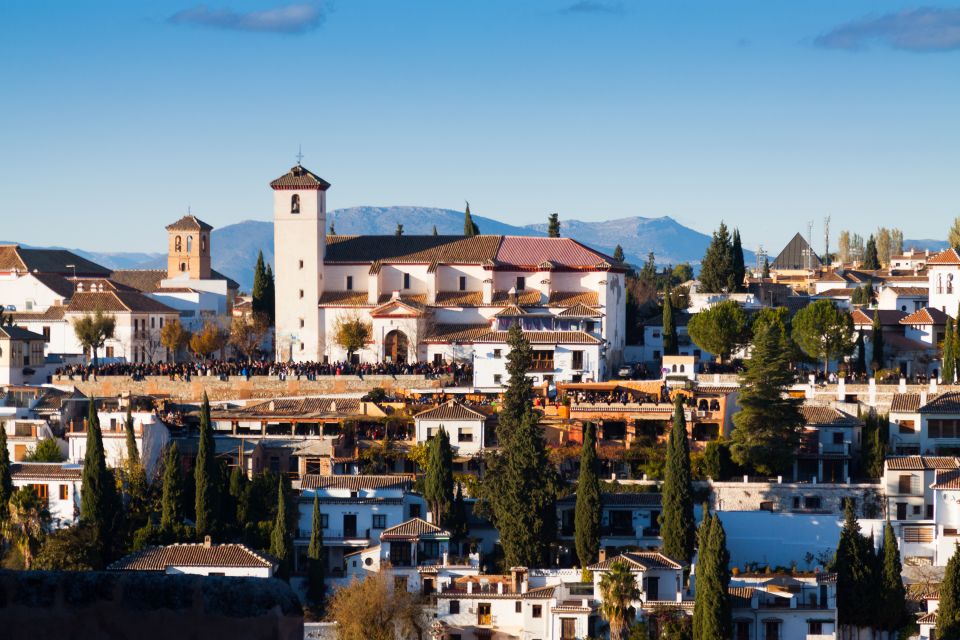
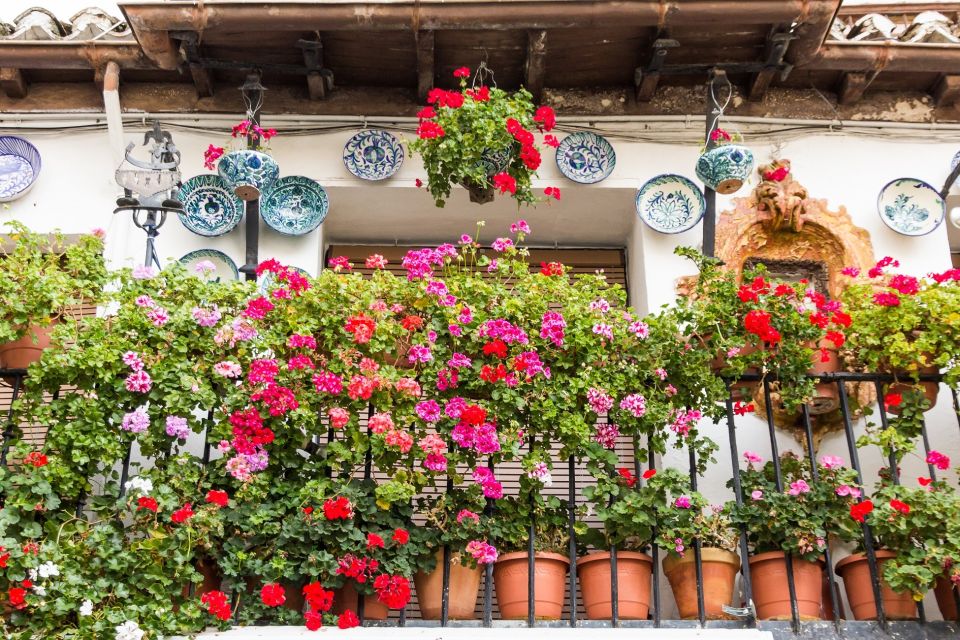
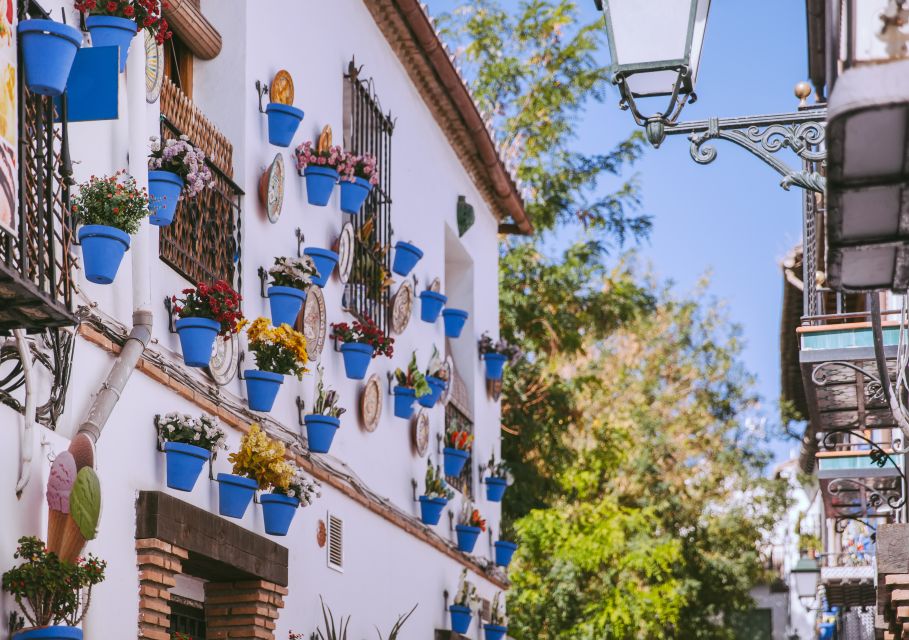
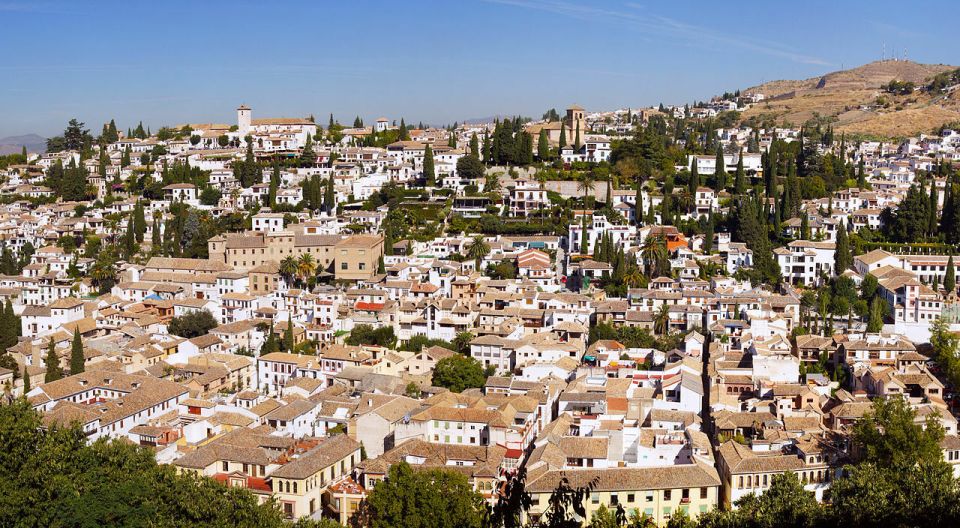
Granada’s oldest streets have a voice. This walking tour takes you through Albaicín and Sacromonte, where you’ll hear how Granada became the last Muslim city in Spain, then see the traces of that past in the streets, walls, gates, and viewpoints. I especially like how the walk turns history into something you can spot with your own eyes—white houses, flowered balconies, and the way the neighborhood’s layout shapes every step.
I also love the cultural mix the guide brings to life, especially the connection between Islamic Granada and the Gypsy (Romani) community that made Sacromonte famous with cave homes and flamenco traditions. One drawback to plan for: the route has real climbing—uphill slopes and stairs—so it’s not the right choice if your legs get unhappy fast.
In This Review
- Key Things I’d Pin Down Before You Go
- Entering the Tour at Plaza Isabel la Católica
- Plaza Nueva to the Albaicín Backstreets: Where the City Starts to Make Sense
- Plaza de San Nicolás: The View Stop That Changes Your Whole Perspective
- Gates, Steps, and Small Courtyards: Puerta de las Pesas and Plaza Larga
- Sacromonte and the Cave Quarter: Flamenco Meets Everyday Life
- Paseo de los Tristes: The Walk That Sets Up the Best Light
- Carrera del Darro to the Finish: Ending Near the River, Not the Map
- What Makes the Guides Matter (And Why You’ll Notice It)
- Price, Pace, and Logistics You Should Actually Care About
- Who This Tour Is For (And Who Should Rethink It)
- Quick Booking Checklist: Make It Easy on Yourself
- Should You Book This Granada Albaicín and Sacromonte Walk?
- FAQ
- How long is the Granada Albaicín and Sacromonte walking tour?
- Where does the tour meet?
- What languages are available?
- Is the tour suitable for people with mobility impairments or wheelchair users?
- What should I bring?
- Are pets, strollers, or luggage allowed?
- Does the tour operate in rain?
- Is food and drinks included?
- Can I take photos with flash?
Key Things I’d Pin Down Before You Go
- Official guide, not a self-guided wander: you’ll connect street corners to the bigger story.
- Best Alhambra viewpoints along the way: photo stops are built into the route, not left to luck.
- Albaicín’s maze of lanes and small squares: you’ll move through the kind of streets where it’s easy to get lost.
- Sacromonte’s cave quarter explained: why people live in mountain caves, and how that shaped daily life.
- Cultural context in plain language: Islamic and Romani cultures are treated as part of one evolving Granada.
- Rain or shine: you’re walking, so bring the right gear for weather and sun.
Entering the Tour at Plaza Isabel la Católica
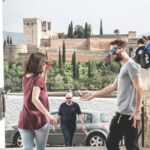
You start at Plaza Isabel la Católica, right behind the Monument of the Capitulations, where the statue of Queen Isabella I and Christopher Columbus anchors the spot. That location matters because it frames Granada’s story: you’re in a city where the end of one era and the start of another are both physically present.
From the first minutes, you’re not just walking for exercise. You’re walking for orientation. Your guide sets the map in your head—what area you’re in, what kind of neighborhood Albaicín became, and why Sacromonte developed its own identity.
You can also read our reviews of more walking tours in Granada
Plaza Nueva to the Albaicín Backstreets: Where the City Starts to Make Sense
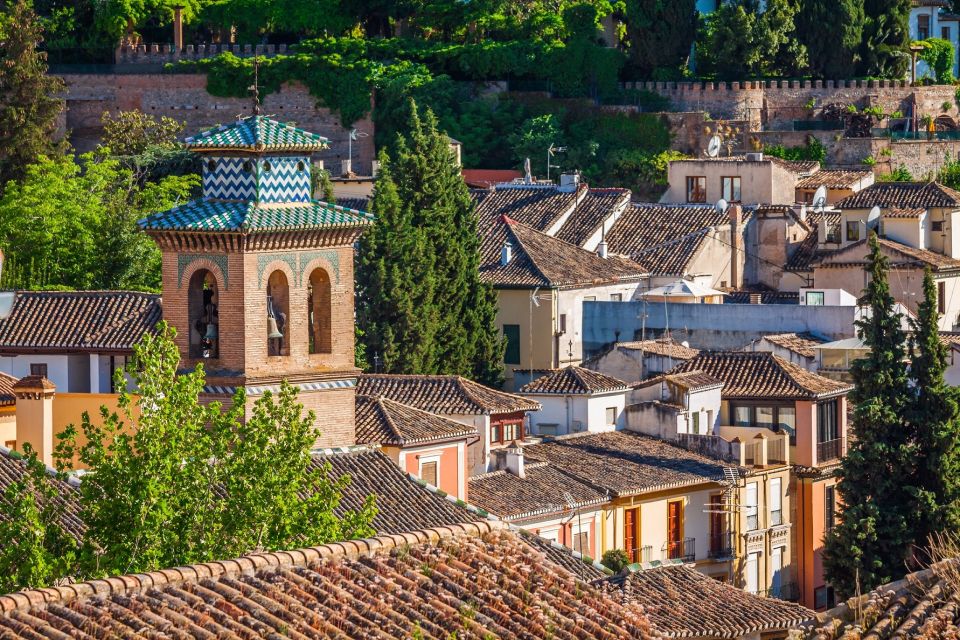
Soon you reach Plaza Nueva, Granada—a useful launch pad because it helps you understand where the “busy center” gives way to a more tangled older quarter. It’s the kind of place where you can stop and look around for a second, then commit to the narrower streets.
From there, you move into the small turns and named alleys—like Callejón del Aljibe de Trillo—and that’s where the tour earns its keep. Even with a good map app, these lanes can feel like a puzzle that resets every block. With a guide, the names and turns become clues instead of clutter.
You also pass spots like Placeta Comino, which gives you a breather. These little squares break up the climb and help you absorb what you’re seeing: the white facades, the texture of stone, and the way balconies face inward toward neighbors rather than outward to streets.
Plaza de San Nicolás: The View Stop That Changes Your Whole Perspective
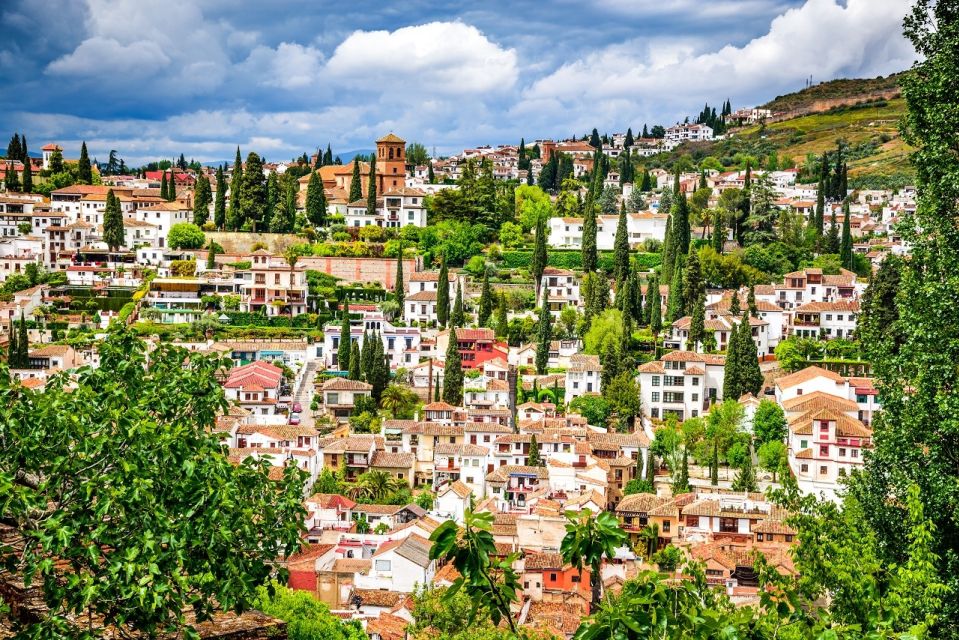
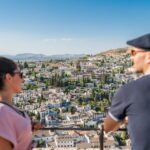
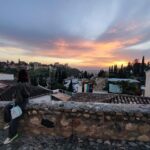
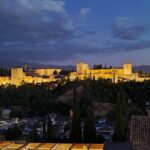
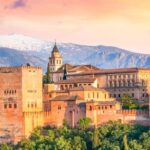
At Plaza de San Nicolás, you get the tour’s big photo moment—built right into the route. If you’ve seen pictures of Granada’s skyline, the Alhambra view here is the reason they look so famous. But the guide’s job is to make the viewpoint feel earned, not accidental.
What I like about a scheduled view stop is timing. You’re not trying to hunt for the best angle while you’re tired and sweaty. You’re standing at the right place, with enough time to frame shots and listen to how this neighborhood relates to the fortress above.
Practical note: this is also where you’ll feel the walking fatigue. People often come out of the plaza with great photos, then realize they still have more climbing ahead.
Gates, Steps, and Small Courtyards: Puerta de las Pesas and Plaza Larga
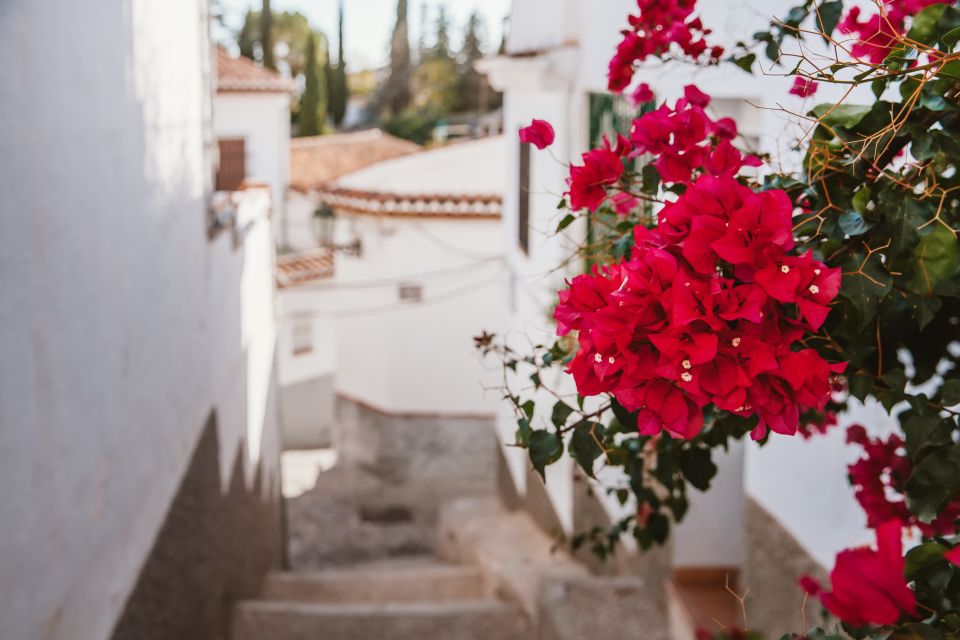
Next comes Puerta de las Pesas and Plaza Larga, both small enough to miss if you’re wandering on your own. Gate names and long plazas sound minor in a brochure, but on foot they become part of the neighborhood’s rhythm—like punctuation marks in the story of the quarter.
Along this stretch, the tour stays focused on what you can actually observe:
- how the path guides you
- why certain areas feel tighter or more open
- how the street structure affects movement
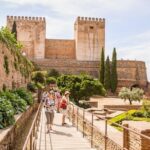
And yes, you’ll notice the physical side of Albaicín. Stairs and slope aren’t just a workout detail; they’re a big reason this neighborhood developed the way it did, and why it still feels different from the flat grid of other European cities.
Sacromonte and the Cave Quarter: Flamenco Meets Everyday Life
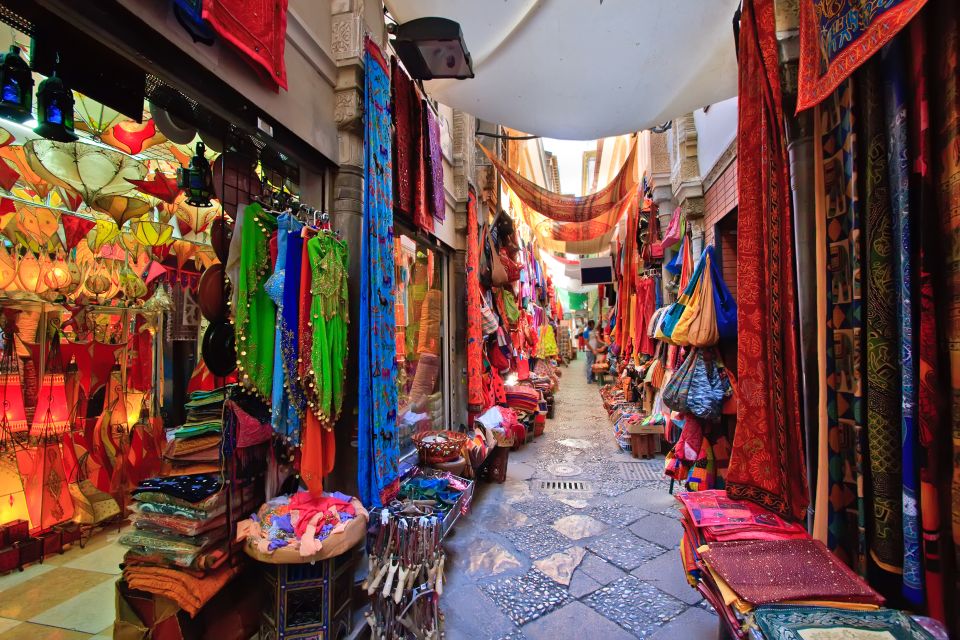
When you reach Sacromonte, the vibe shifts. This is the part of Granada that many people associate with flamenco and cave culture, and your guide connects the dots between the music, the community, and the unique housing style.
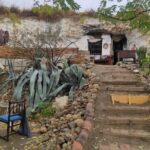
Sacromonte is known for caves dug into the mountains, and you’ll walk through the area where those cave homes fit into daily life. The tour doesn’t treat this as a museum exhibit. You hear why people chose these spaces over centuries ago—and how that choice shaped identity, music traditions, and local social ties.
You’ll also spend time moving through Cuesta del Chapiz, a climb that feels like part of the neighborhood’s character. The stairs and slope can slow you down, but they also make you notice details you’d miss at street level.
Paseo de los Tristes: The Walk That Sets Up the Best Light
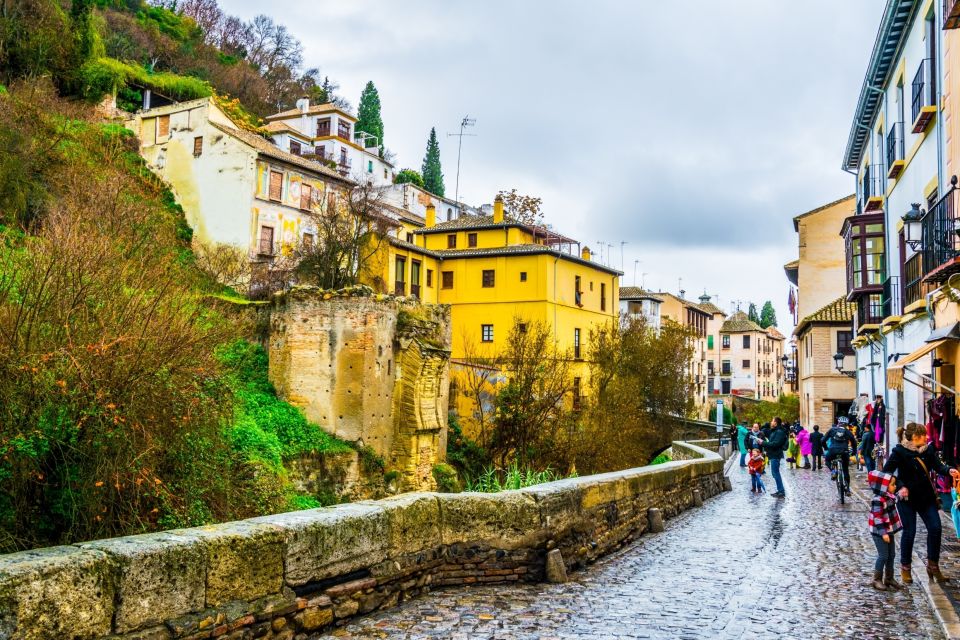
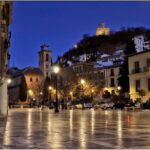
On Paseo de los Tristes, you get another classic viewpoint corridor. This is where Granada starts to look like Granada on postcards—not because it’s staged, but because the city’s layers stack visually: rooftops, angles, and that recurring Alhambra silhouette.
From a practical perspective, this segment is smart. It gives you:
- a chance to rest your legs while still walking forward
- a strong photo angle
- time for questions without feeling rushed
The tour uses these pauses well. People in your group may ask about culture, architecture, or why certain things changed over time, and the guide keeps it tied to what you’re standing beside.
Carrera del Darro to the Finish: Ending Near the River, Not the Map
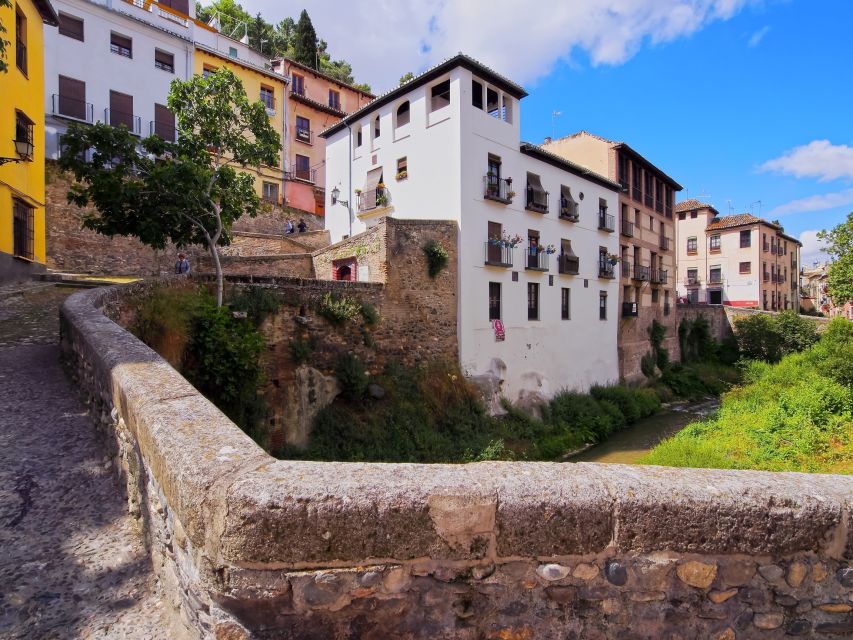
The last stretch includes Carrera del Darro, a beautiful corridor that feels calmer than the uphill lanes. You’ll get the benefit of context here: after climbing through neighborhoods and caves, the sight of the river area helps you reset your bearings for the rest of your day.
Eventually, you return to Plaza Isabel la Católica. Finishing where you started is more than convenience. It helps you realize what you learned about Granada’s layout—how Albaicín and Sacromonte relate to the Alhambra visually and historically.
What Makes the Guides Matter (And Why You’ll Notice It)
The best walking tours are as much about the guide’s ability to explain as they are about the route. A pattern shows up in the tour experience: guides often run the walk with a small-group feel, so questions get answered instead of being swallowed by a crowd.
You may end up with a guide like Alejandra, Lorene, Paula, Chema, Carmen, Maria, Francesco, Edu, or Juanita—and people repeatedly highlight the same traits: they slow down when needed, answer questions clearly, and connect stories to specific corners you pass. If you like your history told with real streets in mind, this style usually clicks.
Price, Pace, and Logistics You Should Actually Care About
At $18 per person for about 2 to 2.5 hours, the value is strong if you’re using the tour for orientation and context. You’re not paying for transportation or museum entry here—you’re paying for an expert to guide you through an area where self-navigation is hard and where the details matter.
A few ground-truth tips based on how the walk feels:
- Wear comfortable shoes with grip. The surfaces can be uneven.
- Bring water, especially in warmer months.
- Pack sunscreen, sunglasses, and a sun hat. Even in “old city shade,” you can still get baked.
- Plan for uphill and steps. This is a walking tour with climbing, not a gentle stroll.
Also, this tour runs rain or shine, so you should assume you’ll be out there walking even if the weather turns. And if you like taking photos: flash photography isn’t allowed, so bring a normal camera rhythm and rely on good angles instead.
Who This Tour Is For (And Who Should Rethink It)
This is a great fit if you want to:
- get your bearings in Granada fast
- understand how Islamic and Romani cultures left marks on the city
- see the Alhambra views from the neighborhoods that frame it
It’s not a good fit if you have mobility impairments or you use a wheelchair. The walking involves slopes and stairs, and the route isn’t set up for strollers or large luggage. Leave the stroller at your hotel and travel light.
Quick Booking Checklist: Make It Easy on Yourself
Before you go, do this simple prep and the tour will feel smoother:
- Choose shoes you’d trust on stairs.
- Carry water and sun protection.
- Bring a small day bag only—no luggage or large bags.
- Expect that the walk is conducted in one selected language, based on your booking.
If you’re planning the rest of your day, I’d schedule a less demanding activity after. You’ll likely be tired in a good way, but the hills add up.
Should You Book This Granada Albaicín and Sacromonte Walk?
If your goal is to understand Granada beyond the big-name sights, I’d book it. The route gives you both: the cultural explanation you can’t easily piece together alone, and the viewpoints you’ll remember. The price is low enough that you don’t have to overthink it, but the experience still feels purposeful because it’s built around neighborhoods where details matter.
Skip it only if stairs and steep slopes would put you in misery. If you’re comfortable walking uphill for a couple hours and you like your history connected to real streets, this tour is a smart, cost-effective way to get oriented—and to see the Alhambra from angles you’ll want to chase again later.
FAQ
How long is the Granada Albaicín and Sacromonte walking tour?
It lasts about 2 to 2.5 hours.
Where does the tour meet?
You meet at Isabel la Católica Square (18009 Granada), behind the Monument of the Capitulations near the statue of Queen Isabella I and Christopher Columbus.
What languages are available?
The tour is offered in English, French, and Spanish, and it runs in one language based on what you select when booking.
Is the tour suitable for people with mobility impairments or wheelchair users?
No. It is not suitable for mobility impairments or wheelchair users.
What should I bring?
Bring comfortable shoes, sunglasses, a sun hat, sunscreen, and water, plus comfortable clothes.
Are pets, strollers, or luggage allowed?
No. Pets, baby strollers, and luggage or large bags are not allowed.
Does the tour operate in rain?
Yes. It runs rain or shine.
Is food and drinks included?
No. Food and drinks are not included.
Can I take photos with flash?
Flash photography is not allowed.