REVIEW · ALBAICIN & SACROMONTE WALKING TOURS
Granada full day: La alhambra completa + el Albaicin y Sacromonte
Book on Viator →Operated by NHUE · Bookable on Viator
Granada’s Moorish palaces and hilltop views make this day fly by. This small-group tour pairs a reserved, skip-the-line Alhambra visit with an afternoon walk through Albaicín (Granada’s oldest Arab neighborhood), so you’re not bouncing between tickets and timelines all day. I love how the guide turns the Alhambra from postcard buildings into lived-in spaces, plus you get headsets so you can actually hear every detail while moving. The main drawback? It’s a lot of walking on hills, and you’ll want to pace yourself—especially if you’re sensitive to a long 5.5-hour day.
You’ll also get a smart “one-day highlights” structure: Alhambra’s key areas in the morning (Generalife, Alcazaba, Nasrid Palaces), a lunch break on your own in the city center, then Albaicín and a quick look at Sacromonte. I like that entrance fees are included for the Alhambra areas that most people plan their whole trip around. Still, plan your energy: the day can feel full even if it’s well-paced.
In This Review
- Key highlights that make this tour worth your time
- Why this tour works: UNESCO stops without the planning headache
- Meeting point: start near the action (and keep your info ready)
- The pace and fitness reality: moderate walking on a hilltop city
- Alhambra morning: Generalife gardens and the meaning of water
- Alcazaba fortress: seeing power in stone and height
- Nasrid Palaces: where the day’s best details show up
- Free-access Alhambra moments: quick stops that help you orient
- Lunch reset: plan for your own food in the city center
- Albaicín afternoon: Plaza Nueva, Darro River, and the Bañuelo hammam
- San Nicolás viewpoints: the Alhambra photo moment done right
- Sacromonte caves: a short look at tradition on the hills
- Value and price: what $90.74 buys beyond the ticket
- Tour guide effect: why good storytelling matters here
- What to bring (and what to avoid inside the palaces)
- Today’s on-site rules: masks, distancing, and hygiene
- Who should book this tour (and who might not)
- Should you book this tour?
- FAQ
- How long is the tour?
- Is the Alhambra skip-the-line included?
- What parts of the Alhambra are included with admission fees?
- Does the price include entrance fees and headsets?
- What language is the tour offered in?
- Where do I meet the guide?
- What about lunch and drinks?
- What information is required for the Alhambra ticket?
Key highlights that make this tour worth your time
- Skip-the-line Alhambra access with a reserved ticket
- Headsets included (and you can bring your own if you prefer)
- Generalife, Alcazaba, and Nasrid Palaces covered with set time blocks
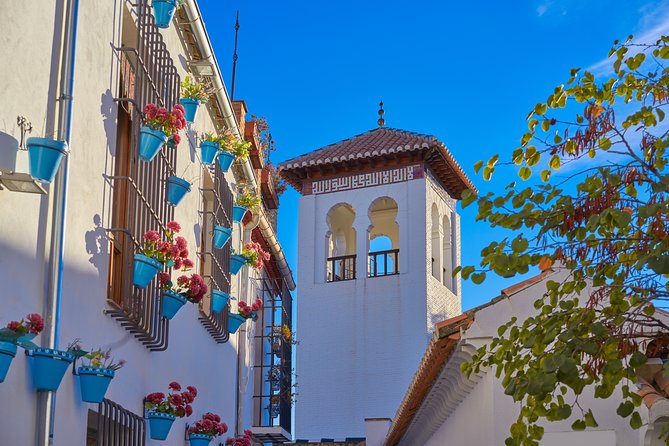
- Albaicín highlights including Plaza Nueva, the Darro River area, and the Bañuelo hammam
- San Nicolás lookout viewpoints for Alhambra photo time
- Sacromonte caves visit for a short taste of the neighborhood beyond the palaces
Why this tour works: UNESCO stops without the planning headache
If you want a memorable Granada day, this hits the sweet spot. You’re covering two UNESCO areas in one go: the Alhambra complex and the Albaicín neighborhood. The payoff is simple. Instead of trying to fit everything around your own timing, you follow a route that makes sense on foot, with a guide keeping the story straight as you move.
Value matters here. You’re paying about $90.74 per person for a guided day that includes Alhambra entry fees, headsets, and the promised line-skipping. If you’ve tried to book Alhambra tickets independently, you already know it can turn into a puzzle. This tour swaps puzzle-solving for a clear plan.
The group stays small (max 20 travelers). That means better movement through crowded spaces, and it’s easier to hear your guide’s explanations while you’re stopped in the right spots.
You can also read our reviews of more tours and experiences in Granada


Meeting point: start near the action (and keep your info ready)
You meet at P.º del Generalife, 1F, Centro, 18009 Granada, Spain. That location puts you close to where your Alhambra day begins, so you’re not burning time crossing town. The tour ends back at the meeting point, which helps keep your afternoon simple.
One practical note that can catch people off guard: the Alhambra requires full personal details for ticketing. When booking, you must provide full name, date of birth, and passport details for each participant. If you forget this step, access can be denied—so take care of it early.
This experience uses a mobile ticket, and it’s near public transportation. If you’re staying in central Granada, you’ll likely find it easy to get to the start point without a complicated transfer.
The pace and fitness reality: moderate walking on a hilltop city
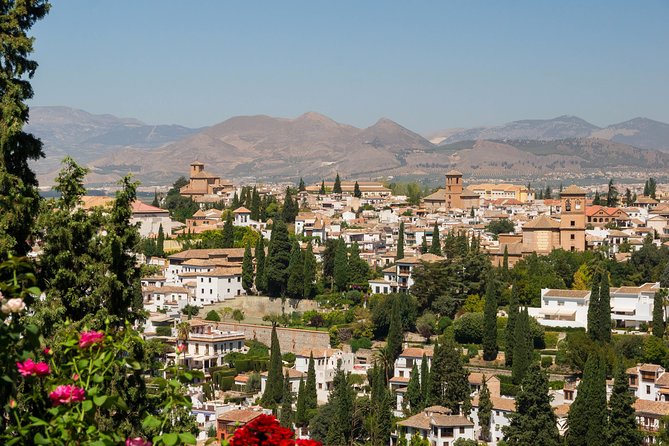
This tour is listed as moderate physical fitness. What that means in real life is steady walking, some uphill sections, and plenty of time on your feet—especially during the Albaicín afternoon. Comfortable shoes aren’t optional; they’re the difference between enjoying the views and feeling your ankles negotiating a divorce.
You’re also dealing with “museum time” and “street time” in the same day. In the palaces, you’ll pause to hear context and then move again. In Albaicín, you’ll be walking through older lanes where the slope can show up fast.
If you want a calmer pace, consider whether you’re also doing extra stops on your own that day. One earlier schedule mismatch can make the hill walking feel longer than it is.
Alhambra morning: Generalife gardens and the meaning of water
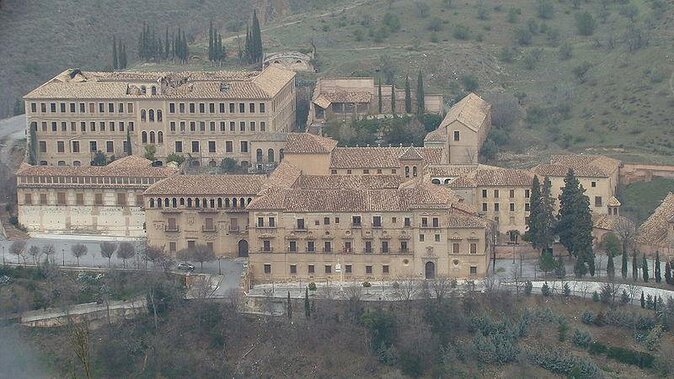
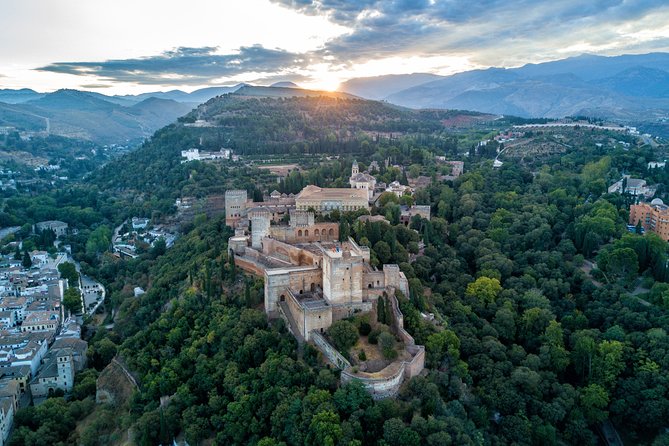
The morning begins with the Alhambra complex, the famous hilltop citadel tied to Granada’s Nasrid rulers. You’ll start with reserved, skip-the-line access so you can get inside without spending the first part of your day in a queue.
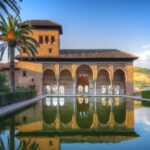
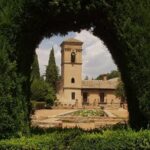
Generalife is your first major stop. This is where the Alhambra’s connection to gardens and water comes into focus. Expect about 1 hour here with the guide walking you through the space and explaining why it was designed the way it was—how the layout creates pauses, sightlines, and a feeling of controlled nature.
Generalife is not just pretty. It’s a mood. The gardens teach you how to look: where your eye should rest, where you’ll want to capture a photo, and why symmetry and curves matter in the architecture. With a guided visit, you’re not just walking through paths—you’re learning how the place is meant to be read.
Alcazaba fortress: seeing power in stone and height
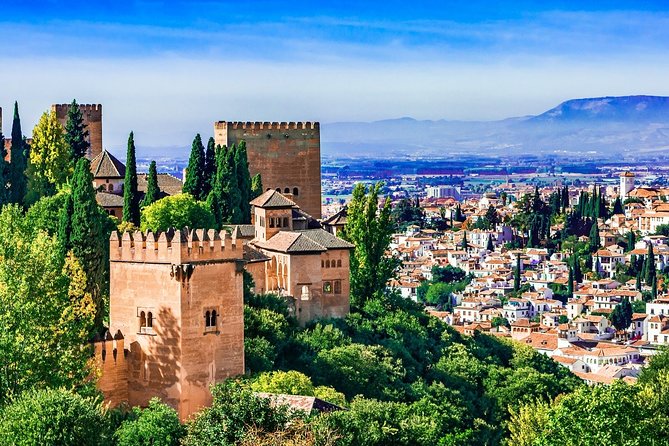
Next is Alcazaba, the fortress portion of the Alhambra. You’ll spend about 40 minutes here, and the short time makes sense. Fortress areas are all about position. Height gives you control. Walls create defense. The view isn’t a side effect—it’s part of the purpose.
This is a spot where your guide’s narration helps a lot. Instead of treating the walls like scenery, you start understanding them as an intentional system: defensive lines, strategic angles, and the way the complex dominates the city below.
If you’re the kind of traveler who likes architecture explanations, Alcazaba is a good payoff without dragging on.




Nasrid Palaces: where the day’s best details show up
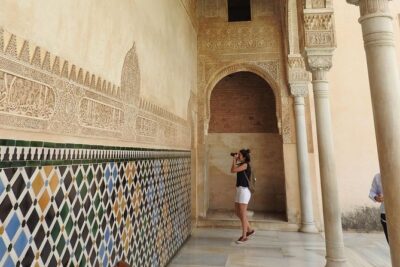
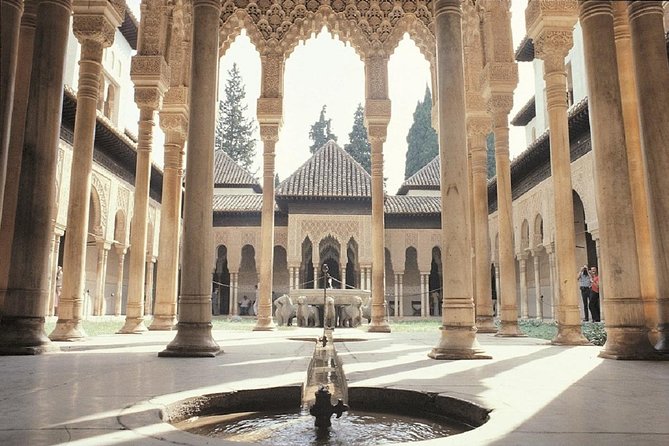
Then you get the star attraction: Nasrid Palaces. You’ll have about 1 hour 15 minutes in this ticketed area, including the apartments and courtyards that people travel across Europe to see.
This is the portion where the tour’s guided format really earns its keep. The Alhambra can feel like a jumble of rooms unless someone gives you the story. Your guide focuses on the Nasrid dynasty and helps you understand how these spaces worked for the sultans and nobles.
You’ll see impressive architectural elements like elaborately designed chambers and courtyards. The tour also includes time connected to key palace spaces often discussed in Alhambra narratives, including how family life and power intersected.
One extra practical tip I’d take from real-world experience inside the palaces: plan ahead for what you carry. Large rucksacks and pushchairs aren’t permitted inside some palace areas. If you travel with bulky bags, keep them manageable so you’re not wrestling with restrictions at the worst moment.
Also consider a modest bottle of water and refill where you can. There are drinking fountains in the Alhambra area, which makes hydration easier than buying everything from snack counters.
Free-access Alhambra moments: quick stops that help you orient
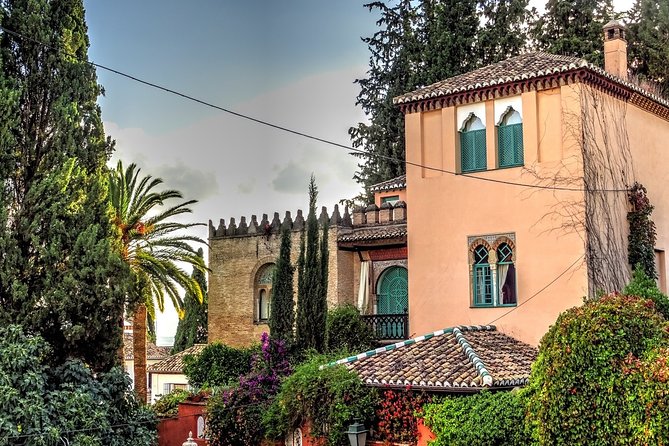
Between the ticketed segments, you’ll also spend time in free access parts of the Alhambra. These pauses matter because they help you orient yourself in a huge complex. You’re not trying to guess your bearings while hungry and tired.
Think of these moments as your visual “connecting tissue.” They give you a sense of the monumental area and help you understand how the palaces, fortress, and surrounding spaces relate to each other.
If you’ve ever visited a major site and felt like you were seeing it in fragments, this structure helps prevent that.
Lunch reset: plan for your own food in the city center
Lunch is a break in central Granada and it’s own expense. This is a good setup because you can choose something simple rather than being stuck with a set meal that doesn’t fit your tastes.
Timing-wise, don’t plan anything too ambitious right after the tour ends. Granada’s old streets and hills can slow you down, and you still need energy for the Albaicín afternoon.
Albaicín afternoon: Plaza Nueva, Darro River, and the Bañuelo hammam
After lunch, you head to Albaicín, Granada’s well-preserved Arab quarter and its oldest neighborhood. You’ll spend about 1 hour 30 minutes here, plus extra walking time between specific highlights.
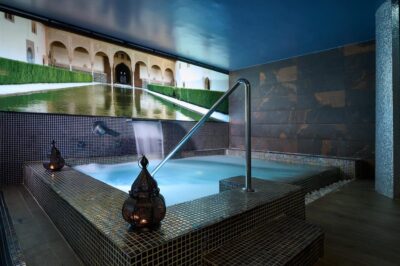
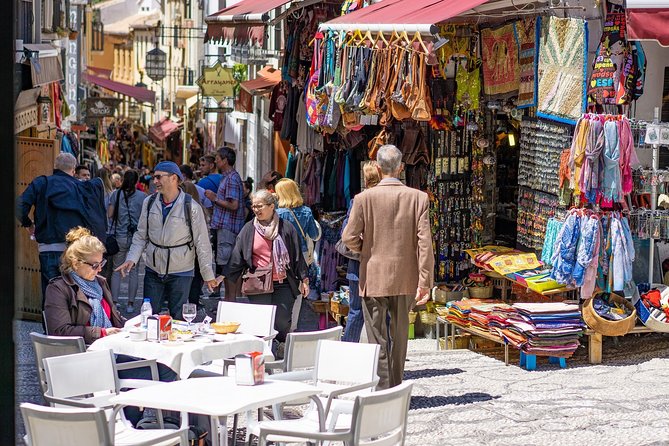
The route includes major atmosphere stops: Plaza Nueva, the Darro River area (often described as one of the most beautiful lanes in the world), and the Bañuelo (an Arab bathhouse). This is where Granada stops feeling like a single monument and starts feeling like a lived-in city neighborhood.
The Bañuelo hammam is one of those places where a guide can change everything. Baths are about more than hygiene—they’re social space, ritual space, and architecture shaped for daily life. Seeing the site with context helps you notice details you’d otherwise skip.
And because you’re walking through the neighborhood rather than just viewing from one corner, the Albaicín portion feels like the city’s backstory, not a separate attraction.
San Nicolás viewpoints: the Alhambra photo moment done right
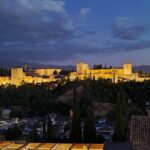
Your Albaicín time includes a San Nicolás viewpoint. This is the classic angle where the Alhambra looks dramatic against the hill and the sky. Instead of rushing to take photos and moving on, the guide helps you time your attention so you’re looking for the right angles.
Even if you think you know what the Alhambra looks like, this viewpoint often changes the mental picture. You start seeing the complex as a whole, not just individual buildings.
If you’re a photographer, this is where you’ll want to take a breath. It’s worth it.
Sacromonte caves: a short look at tradition on the hills
The tour ends with Sacromonte, about 25 minutes, located on the hills surrounding Granada. Sacromonte is known for its traditional cave dwellings, which have been inhabited for centuries and reflect local culture.
This isn’t a long stop, and that’s okay. The goal is not to turn Sacromonte into your whole evening plan. It’s a short, meaningful addition that widens your Granada understanding beyond palaces and formal gardens.
You’ll leave with a sense of how different parts of Granada developed and why the city’s hills matter.
Value and price: what $90.74 buys beyond the ticket
Here’s where I think this tour earns its keep. You’re paying $90.74 per person for:
- Skip-the-line entry at the Alhambra (a huge time-saver)
- Guided time in the key ticketed Alhambra areas: Nasrid Palaces, Alcazaba, and Generalife
- Entrance fees included for those Alhambra segments
- Headsets, so explanations stay clear while you walk through busy areas
- A structured day that covers Alhambra and Albaicín, including viewpoints and the Bañuelo bathhouse
If you were trying to build this yourself, you’d likely spend time on separate tickets, navigation, and pacing. This tour sells you a ready-made route with interpretation. That’s not just convenience—it’s the difference between “I saw it” and “I understood it.”
Tour guide effect: why good storytelling matters here
The Alhambra isn’t like a simple cathedral where you can admire the façade and move on. It’s layered, detailed, and full of design logic. That’s why the guide matters so much.
From real firsthand examples, guides like Anis, Edu, and Carmen are the kind of people who make the architecture click. I’ve also seen that some guides may have a first language like French but speak clear English, and the pacing stays efficient without feeling rushed.
If you enjoy learning the story behind spaces, this tour gives you that without turning the day into a lecture.
What to bring (and what to avoid inside the palaces)
Plan for a walking day with indoor and outdoor sections. Bring:
- Comfortable shoes for hills and stone streets
- A personal mask, since personal masking and social distancing were listed as required
- A small bottle of water, plus a willingness to refill where fountains are available
- A charging plan for your phone, because viewpoints and courtyards beg for photos
Avoid heavy bags if you can. Large rucksacks and pushchairs aren’t permitted inside some palace areas, so light travel helps. If you’re unsure, keep your load minimal and you’ll thank yourself mid-visit.
Headsets are included, but it’s recommended that you bring your own headset. If you’re picky about audio quality, do it.
Today’s on-site rules: masks, distancing, and hygiene
This tour includes current on-site safety steps: guides will wear masks and gloves, frequent cleaning or sanitizing is part of the process, and you’ll need to wear personal masks and observe social distancing. It’s a small adjustment, but it’s worth knowing upfront so you don’t get surprised on the day.
Who should book this tour (and who might not)
This is a great fit if you want:
- A guided Alhambra visit where you’re not guessing what you’re looking at
- A structured day covering Alhambra + Albaicín + Sacromonte
- A small group with time-efficient pacing
- Entrance fees handled for major Alhambra sections
It may be less ideal if you:
- Get worn out by long walking days on slopes
- Prefer splitting big visits into separate mornings and afternoons to reduce fatigue
If your energy tends to run low, consider giving yourself a lighter schedule the day before or after.
Should you book this tour?
Yes, if Alhambra is high on your list and you want to experience it with less friction. The real win is the pairing: reserved access to the Alhambra complex in the morning, then the Albaicín neighborhood in the afternoon, with viewpoints and the Bañuelo hammam along the way. For many people, that mix is exactly what makes Granada feel complete in one day.
You should book when you’re ready to commit to walking and hills. Wear good shoes, keep your bag light, and treat lunch as a flexible reset. If that sounds like your style, this tour is a smart, high-value way to see Granada’s most famous UNESCO corners without wasting time in lines or sorting out too many moving parts yourself.
FAQ
How long is the tour?
The duration is approximately 5 hours 30 minutes.
Is the Alhambra skip-the-line included?
Yes. The tour includes a guaranteed way to skip the long entrance lines at the Alhambra.
What parts of the Alhambra are included with admission fees?
Admission fees are included for the Alhambra Nasrid Palaces, Alcazaba, and Generalife.
Does the price include entrance fees and headsets?
Yes. Entrance fees for the included Alhambra areas are included, and headsets are provided.
What language is the tour offered in?
The tour is offered in English.
Where do I meet the guide?
You meet at P.º del Generalife, 1F, Centro, 18009 Granada, Spain.
What about lunch and drinks?
Food and drinks are not included. Lunch is a break in central Granada at your own expense.
What information is required for the Alhambra ticket?
You must provide the full name, date of birth, and passport details for each participant when booking.