REVIEW · ALPUJARRA VILLAGES DAY TRIPS
Las Alpujarras Full-Day Tour with Optional Lunch from Granada
Book on Viator →Operated by GRANAVISION - Movviendo Tourism Group · Bookable on Viator
Mountain villages beat city crowds in one day. This Granada-to-Alpujarras tour strings together terrace farms, white hillside towns, and viewpoint stops, with lunch in Capileira available. I especially like the small-group size (max 20) and the way the guide turns the scenery into a real story, from irrigation tricks to local food culture (I’ve seen guides like Michael, Alexandra, Zaruq, and Angela bring that to life).
One main consideration: comfort and visibility can swing with the day. The drive involves switchbacks and altitude changes, and rain can make the mountain views feel muted instead of dramatic.
In This Review
- Key Things I’d Bet On
- Granada to the Alpujarra: What This Day Trip Is Really Good At
- The Drive South: Lanjaron, Terrace Farms, and a Route With Purpose
- Stop 1: Las Alpujarras (Terraces, Mini-Ecology, and the Big Idea)
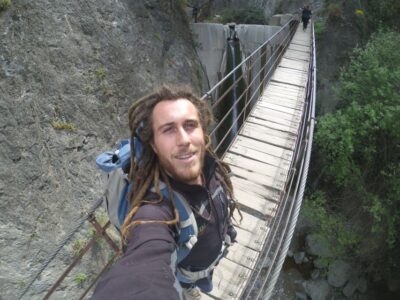
- Stop 2: Puente Nazari de Tablate (A Quick Gateway Moment)
- Stop 3: Pampaneira (Village Time With Chocolate and Shops)
- Stop 4: Fuente Agria (A Mineral-Rich Waterfall Break)
- Stop 5: Trevelez (Spain’s Highest Village and the Ham Story)
- Stop 6: Capileira (Poqueira Gorge Views + Alpujarreño Lunch Option)
- How Pacing and Stop Structure Affects Your Enjoyment
- Price and Value: Is $102.68 Worth It?
- Comfort on the Road: Seats, Heat, and Winding Turns
- What to Pack and How to Time Your Day
- Who This Tour Fits Best (and Who Should Skip)
- Should You Book the Las Alpujarras Full-Day Tour?
- FAQ
- What time does the tour start and how does pickup work?
- How long is the Las Alpujarras tour?
- Is lunch included?
- Are entrance fees included?
- What group size should I expect?
- Is the tour available in English and does it require fitness?
Key Things I’d Bet On
- Max 20 travelers means less waiting and easier movement between short stops
- Optional Capileira lunch with a classic Alpujarreño dish if you choose it
- Included entrance fees so you’re not doing mental math all day
- Trevelez ham culture plus a tapas moment at Spain’s highest village stop
- Poqueira gorge views from Capileira (when weather cooperates)
- Good pacing for a bus day, with multiple chances to get out and walk a bit
Granada to the Alpujarra: What This Day Trip Is Really Good At
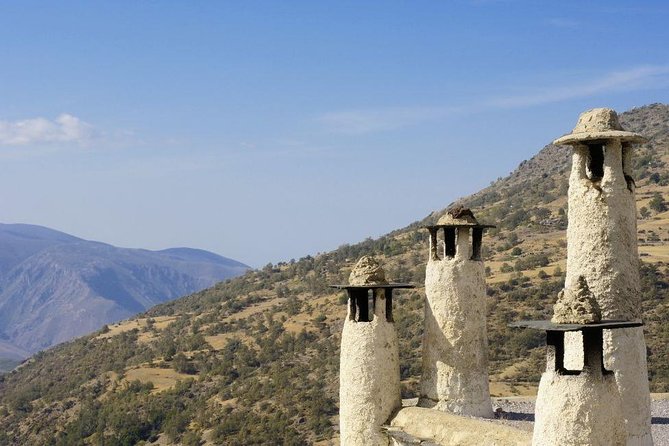
This tour is built for people who want more than a quick photo stop outside Granada. You get an air-conditioned minivan ride, plus a guide who connects what you see—terraces, villages, water sources—with why the area developed the way it did. The result is a full day that feels like a guided route through real life in southern Spain, not just a checklist of towns.
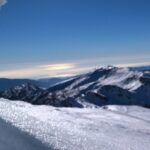
The driving alone is part of the appeal. You’ll head into the Sierra Nevada orbit, and the route is threaded with villages and outlooks that show how the land changes from valley towns to higher, cooler pockets. On a clear day, it’s the kind of scenery that makes you forget you’re on a schedule.
And the group format helps. With up to 20 people, you’re usually not stuck playing traffic-control while everyone mills around the same curb. Several guides in this experience have a reputation for being energetic and organized, including Michael, Alexandra, Zaruq, and Angela—names you might hear depending on the date.
You can also read our reviews of more tours and experiences in Granada
The Drive South: Lanjaron, Terrace Farms, and a Route With Purpose
The day starts in Granada with pickup around 8:30 am at selected city-center hotels. After you meet your guide and get settled in, the minivan heads out toward the Alpujarra region—starting with the kind of scenery you came for.
A key theme along the way is water. The Alpujarra’s terraced farmland is fed by melting snow from the Sierra Nevada, and your guide explains how that mini-ecology works. It’s one of those details that turns “nice views” into “I understand why these hills look like this.”
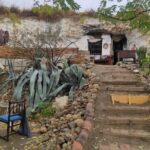
You also pass through recognizable village pockets on the way—places like Lanjaron (known as a medicinal spa town with quality spring water) and smaller communities such as Caratunas, Pampaneira, and Pitres. Even if you don’t stop long at each of them, the drive itself becomes a moving introduction to the region.
Practical note: if you’re sensitive to motion, plan for a road with plenty of curves. The route includes switchbacks and climbs/descents, and taking motion-sickness medicine can be smart if you’ve had that issue before.
Stop 1: Las Alpujarras (Terraces, Mini-Ecology, and the Big Idea)
Your first real stop is Las Alpujarras, which matters because it sets the whole day’s context. You spend about 1 hour here. This is where you get the “why” behind the terraced farming and the constant watering that keeps agriculture alive in steep terrain.
What you’ll like most is that this stop isn’t just walking around. It’s the foundation. Once you understand that terraces are shaped and maintained by water flow from Sierra Nevada snowmelt, the rest of the villages start to make sense—architecture, crops, and even village placement.
Possible drawback: the time here is set (about an hour). If you’re the type who wants to linger and wander without structure, this portion can feel a bit time-boxed. That said, it’s still a good trade for the amount you’ll cover during the full day.
Stop 2: Puente Nazari de Tablate (A Quick Gateway Moment)
Next comes Puente Nazari de Tablate, the gateway to the Alpujarra. It’s a short stop—about 15 minutes—but it functions as a transition point. You see enough to orient yourself before the itinerary moves deeper into village life.
This stop is also a good “reset” stretch. You’ll likely use it to grab a photo, stretch legs, and check how the weather looks from a slightly different angle. Short stops like this are common in well-paced day tours, and they help keep the day from turning into one long bus slog.
Stop 3: Pampaneira (Village Time With Chocolate and Shops)
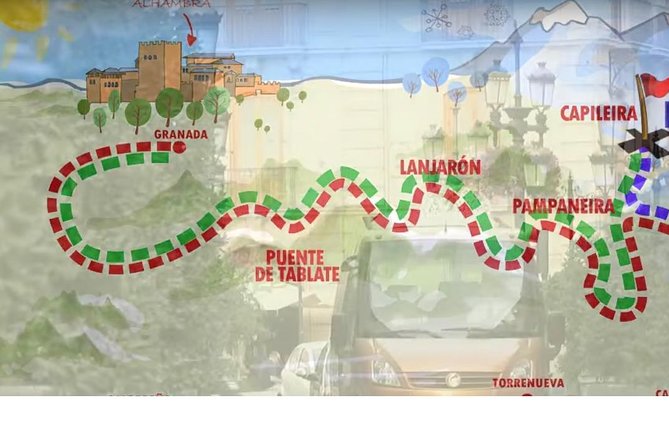
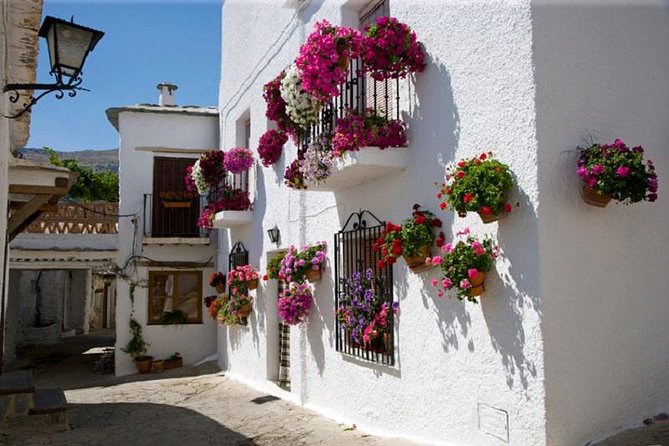
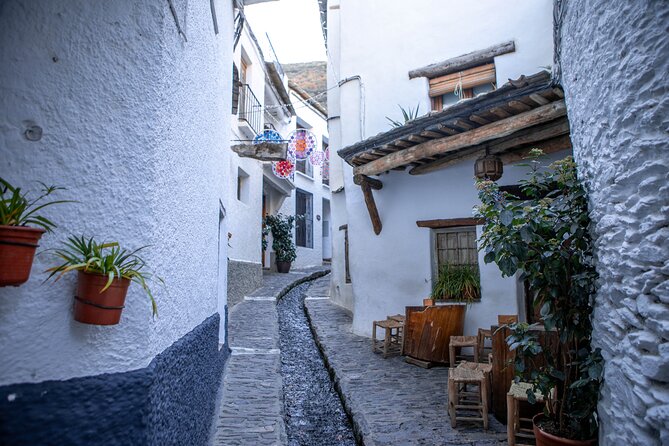
You then reach Pampaneira, with about 2 hours on the ground. This is one of the best spots for casual wandering, because the tour gives you real time to explore rather than just stopping at a single viewpoint.
Pampaneira is also where the day gets a bit playful. There’s a chocolate factory stop, and you’ll get free time to browse local shops. If you like nibbling while you travel, this is a nice mid-morning vibe: snack, small purchases, and then slow walking through village corners.
The main thing to manage here is weather. If it’s raining, the “wander and discover” part can become less fun. If it’s sunny, you’ll be grateful for the extra time here because you can move at your own pace.
You can also read our reviews of more tours and experiences in Granada

Stop 4: Fuente Agria (A Mineral-Rich Waterfall Break)
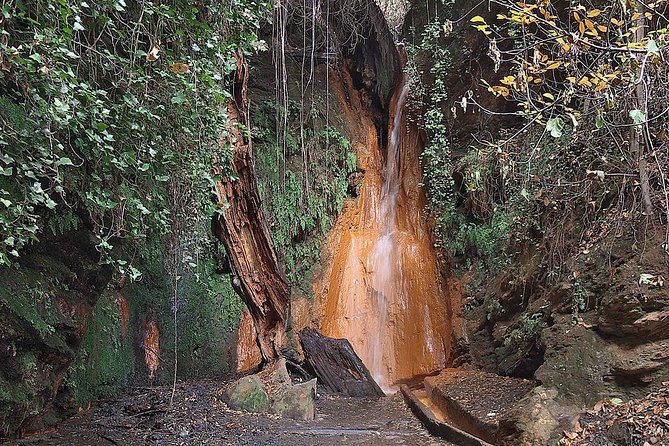
After Pampaneira, you go to Fuente Agria, near Pórtugos, for about 15 minutes. This is a waterfall stop, and the key detail is that the water is described as mineral rich.
This is exactly the kind of short stop that works well on a full-day route. You get the reward—seeing water in motion—without sacrificing too much time. It also breaks up the bus ride rhythm, which helps you stay fresh for the higher villages later.
If you’re traveling in winter or cooler months, be ready for the air to feel sharper in mountain-adjacent areas. Bring a layer even if Granada feels warm.
Stop 5: Trevelez (Spain’s Highest Village and the Ham Story)
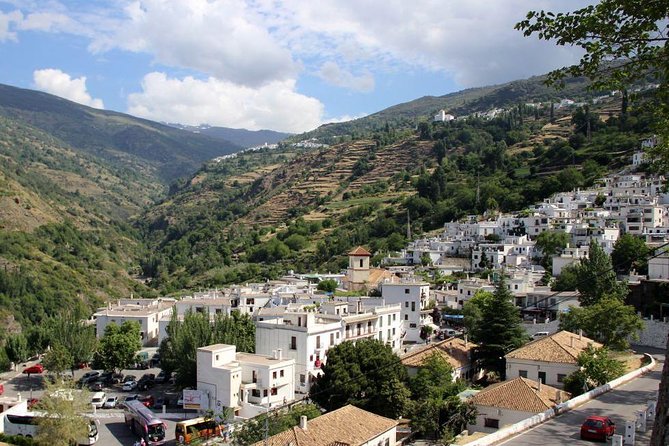
Trevelez is one of the day’s “wow, I didn’t know that” stops. It sits at 1476 meters (4,843 ft) above sea level, and you’ll feel that altitude in the cooler air.
The big draw here is food culture. Trevelez is known for preserving hams in the mountain climate, and the stop includes a gourmet tapas experience. This is where the tour shifts from scenery and history into something hands-on and delicious.
You’ll typically get enough time to try the local specialties and also learn the context behind them—why preservation works up high, and how local life adapted to the conditions.
If you’re hoping for lots of shopping time, keep expectations realistic. Some minutes will go to tasting and learning, not just browsing, and the day still has one more key village stop.
Stop 6: Capileira (Poqueira Gorge Views + Alpujarreño Lunch Option)
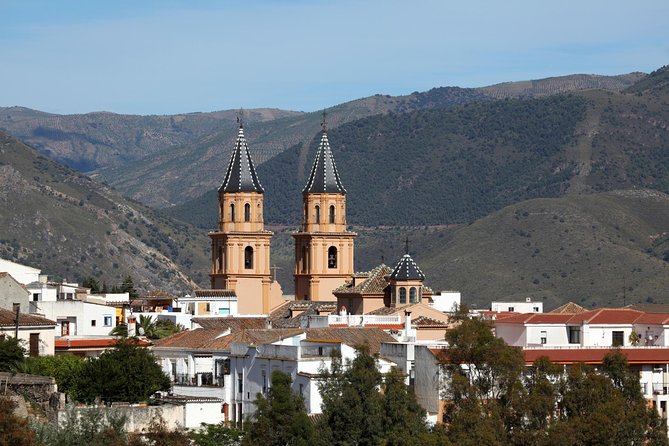
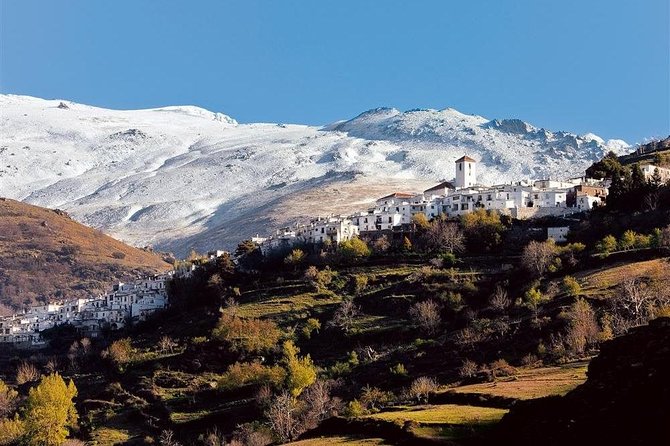
Capileira is the finale that most people remember. It’s located in the Poqueira gorge and is often listed among the prettiest villages in Spain. Here you get about 1 hour.
If you choose the optional lunch, you’ll eat a traditional Alpujarreño dish called Plato Alpujarreño in a rustic restaurant. Lunch is a highlight when it matches your expectations: hearty, local flavors, and the kind of meal that feels right after hours of driving and walking.
Capileira also gives you the best scenic payoff on many days. Views over the Ravine of Poqueira can be dramatic, and even short village time can feel special because the setting is so steep and scenic.
One caution: not every lunch will land the same way for everyone. Some past diners have said parts of the meal weren’t enjoyable or didn’t match what they hoped for. Still, the general pattern is a generous, local meal, and the views make the stop feel more than just food on a schedule.
How Pacing and Stop Structure Affects Your Enjoyment
This tour runs about 8 hours. That sounds like a long day, but the itinerary is designed to keep you moving in small bursts.
You get:
- A longer contextual stop at Las Alpujarras
- A shop-and-snack window in Pampaneira
- A waterfall photo break at Fuente Agria
- A higher-altitude village experience in Trevelez
- A lunch-and-views finish in Capileira
That structure matters. If it were only one long bus ride with a single stop, you’d feel trapped. Instead, each stop has a different purpose: context, wander time, nature, food culture, then scenery + lunch.
The group size helps pacing too. People often appreciate not having to wait for late arrivals, and with small groups you tend to move like a team rather than a pack.
Price and Value: Is $102.68 Worth It?
At $102.68 per person, this tour sits in the “day trip price” range where you’re paying for convenience and guided structure—not just transportation. The big value levers are:
- Entrance fees included, which reduces surprise costs
- Professional guide, which turns the route into something you can understand
- Air-conditioned vehicle, which makes long drives easier
- Optional lunch included with the right selection, so you can avoid planning a meal high up in the mountains
If you tried to replicate this yourself with a rental car, you’d likely spend time on navigation, parking logistics in small towns, and the cost/effort of managing multiple stops. A guided route bundles that work into a single day.
The price also becomes easier to justify if you care about food moments. Trevelez adds a tapas taste tied to local ham culture, and Capileira can include a classic lunch if you pick the lunch option.
So yes: if you want a structured day out of Granada that includes viewpoints and food, this price can feel fair. If you’re only chasing one or two villages, you might want a smaller, self-guided plan.
Comfort on the Road: Seats, Heat, and Winding Turns
The vehicle is air-conditioned, which helps a lot in warmer months and keeps the day bearable. Most people describe the bus/minivan as clean and comfortable enough for a long ride.
Still, there are two comfort factors to watch:
1) Legroom can be tight depending on the vehicle used that day.
2) The roads are curvy and hilly, which matters most if you’re prone to motion sickness.
If you’re anxious around roads with heights or sharp turns, you’ll probably feel better with a calm driver and a confident guide. Some guides/drivers on this route have earned praise for safe driving.
My practical advice: pack a layer, bring water, and consider motion-sickness medication if you’ve needed it before.
What to Pack and How to Time Your Day
You’re starting at 8:30 am, and you’re out for roughly 8 hours, with short breaks for photos and exploration. That means you want simple, reliable items rather than a full picnic kit.
Bring:
- A light layer for cooler mountain air
- Comfortable shoes for uneven village streets
- Sun protection if the day is clear
- Motion-sickness help if you’re sensitive
- Some cash for small snacks or extras in villages (the chocolate and shops can tempt you)
Also, if you’re choosing the lunch option, eat lightly before pickup. You’ll likely get a meal in Capileira that’s meant to be filling.
Who This Tour Fits Best (and Who Should Skip)
This tour is a great fit if you want:
- A single-day escape from Granada
- A guided explanation of how the Alpujarra works (especially the role of water and agriculture)
- Multiple villages with different vibes, not just one viewpoint
- A food-centered stop in Trevelez and a meal option in Capileira
It may be less satisfying if:
- You’re trying to maximize free shopping time. The day is structured around specific experiences, not long retail wandering.
- You dislike rain. Poor visibility can shrink the impact of the mountain views, and some village wandering becomes less pleasant in wet weather.
If you enjoy a well-paced day with regular chances to get out and look around, you’ll likely like this one.
Should You Book the Las Alpujarras Full-Day Tour?
I’d book this tour if you want an organized, value-forward day that pairs Alpujarra villages + food culture + guided context. With included entrance fees, an air-conditioned ride, and optional lunch in Capileira, it’s a practical way to see more of southern Spain than a city stay alone.
I’d think twice if you’re highly weather-sensitive, motion-prone, or hoping for lots of extra free time in each village. In those cases, the day can feel rushed or visually disappointing.
If you can handle mountain driving and you’re excited to learn why these hillside communities exist, this is one of the most satisfying day trips you can take from Granada.
FAQ
What time does the tour start and how does pickup work?
The tour starts at 8:30 am, and pickup is offered where you meet at certain hotels located in Granada city centre.
How long is the Las Alpujarras tour?
The duration is about 8 hours.
Is lunch included?
Lunch is included only if you select the lunch option. The lunch stop is in Capileira, with a traditional Alpujarreño dish (Plato Alpujarreño) if that option is chosen.
Are entrance fees included?
Yes. Entrance fees are included.
What group size should I expect?
This tour has a maximum of 20 travelers.
Is the tour available in English and does it require fitness?
It is offered in English. You should have a moderate physical fitness level, since the itinerary includes walking and time in village areas. The experience also requires good weather.