REVIEW · ALBAICIN & SACROMONTE WALKING TOURS
Granada in full: Albaicin & the Historic Centre
Book on GetYourGuide →Operated by Granada con Amor · Bookable on GetYourGuide
Granada’s viewpoints arrive fast. This guided, 3-hour route through Albaicín and the historic centre is one of the quickest ways to understand the city without feeling lost. I love the way it starts at Puerta de Elvira and follows a chronological path, so you get a clearer story of how Granada grew. I also love the built-in stops at standout viewpoints, where you can pause often and take in the views around every corner.
The one possible drawback is physical: Albaicín sits on a hill with old, cobbled streets, so you’ll be walking up and down. If you have mobility issues, it’s not for you, and even if you’re fine on your feet, expect a steady workout.
In This Review
- Key things you’ll love about Granada in Full: Albaicín & the Historic Centre
- Why this 3-hour walk is a smart way to understand Granada
- Starting at Puerta de Elvira: your shortcut to the city’s origins
- Albaicín quarter: hill streets, old gates, and big viewpoint payoff
- A note on walking pace
- Churches, monastery stops, and the “layers” of Granada
- The San Nicolás area: where you slow down for the best photos
- Plaza Nueva and the center: shifting from “old climb” to city hub energy
- Alcaicería market area: a practical stop that adds texture
- Royal Chapel and Granada Cathedral: finishing with major historic anchors
- What you should know before you go (so the day feels easy)
- Price and value: is $23 worth it?
- Who this tour suits best
- Should you book Granada in Full: Albaicín & the Historic Centre?
- FAQ
- How long is the tour?
- Where does the tour start?
- What stops and areas are included?
- What languages are available?
- Is this tour suitable for wheelchair users or mobility impairments?
- What is the price?
- Is there free cancellation?
Key things you’ll love about Granada in Full: Albaicín & the Historic Centre
- Puerta de Elvira start for instant orientation at the city’s origins
- Albaicín first, viewpoints second so you get the “wow” early and often
- Frequent photo stops (Plaza de San Nicolás, Paseo de los Tristes, Plaza Nueva)
- A chronological route that helps you connect landmarks to the people who shaped them
- Royal Chapel and Cathedral finish for major historic and cultural anchors
- English and Spanish guide with strong organization and clear pacing
Why this 3-hour walk is a smart way to understand Granada
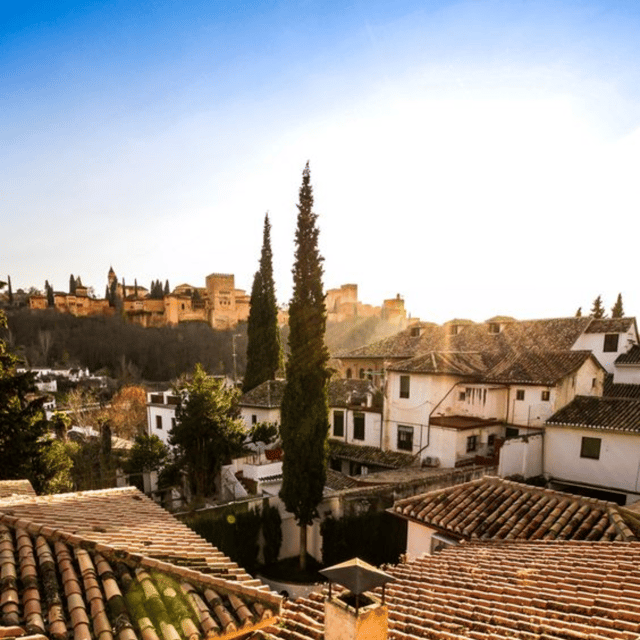
If your time in Granada is short, this tour is built for that reality. It doesn’t try to cover everything. Instead, it focuses on the places that help you read the city: where it began, how the neighborhoods evolved, and where the best “look back” views happen.
I like tours that function like a navigation tool, not just a history lecture. Here, the guide uses a chronological approach along a clear route, starting at the Puerta de Elvira area and moving through key quarters. That means you’re not just collecting photos—you’re learning what each area represents as you walk.
You’ll also get a steady rhythm: guided moments for context, then short stretches where you can breathe, take pictures, and wander a bit. The route is timed so you get to several big-view stops without spending your whole trip standing still.
And there’s another practical plus: one local guide means you can ask quick questions as you go. In the past, guides for this tour have been praised for organization, and one named guide—Martha—earned standout recommendations for how smoothly it ran.
You can also read our reviews of more historical tours in Granada

Starting at Puerta de Elvira: your shortcut to the city’s origins
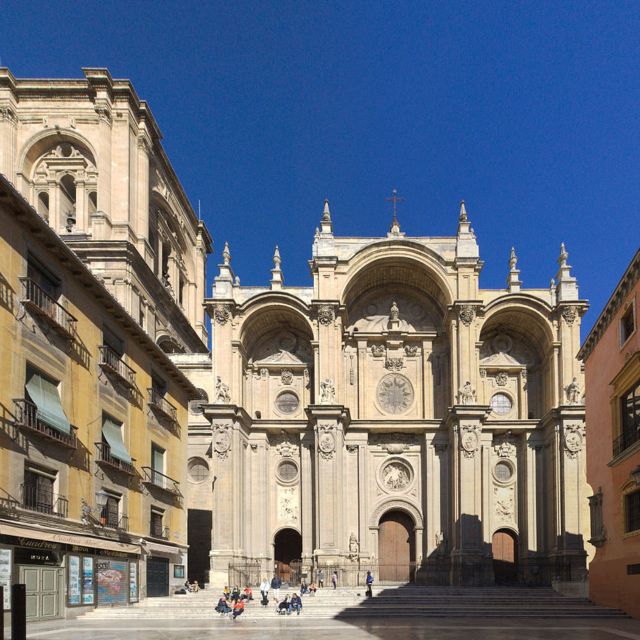
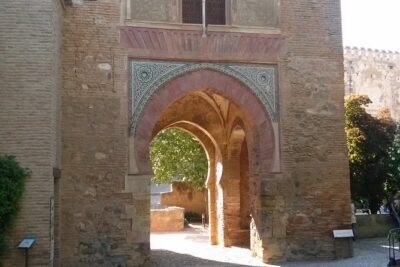
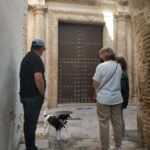
You meet next to Puerta de Elvira, right by the area of the gate. It’s easy to find because the guide will be wearing official accreditation. That matters more than it sounds—Granada can be busy, and a clear start saves time.
From the first stretch, the tour’s goal is simple: help you understand the city’s beginnings. Puerta de Elvira gives you a strong “starting point” feel. Then you move into the oldest neighborhood, so the walk naturally shifts from orientation to atmosphere.
I find this kind of kickoff is huge on a first visit. You start with something tangible instead of guessing where to go next. Even if you’re the type who normally likes to wander independently, having a mapped storyline for the first few hours makes the rest of your trip easier.
Albaicín quarter: hill streets, old gates, and big viewpoint payoff
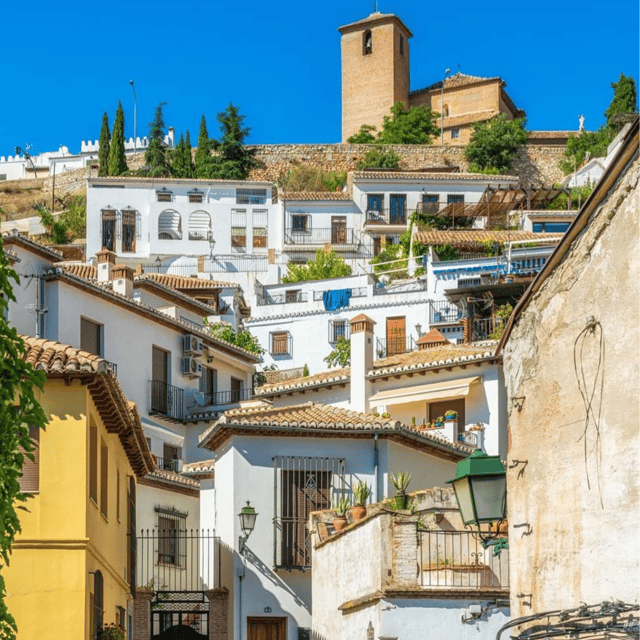
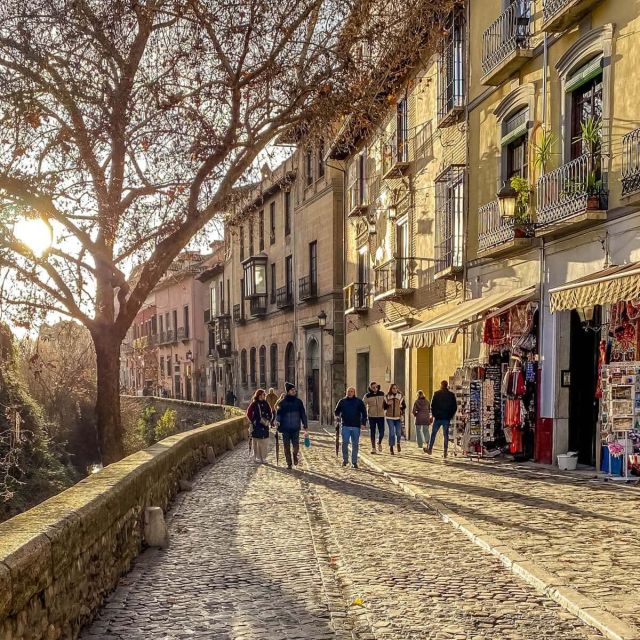
Albaicín is the heart of the experience. It’s described as the oldest quarter and the origin of Granada. Even without turning every corner into a lecture, the area’s setting does the teaching: it’s on a hill, and the streets are old and cobbled. You’ll walk up and down, and that movement is part of why the views feel earned.
Expect a route that targets the neighborhood’s key transitions and lookouts. You pass through or near major gate points and then get viewpoint time at spots designed for city views. The tour includes specific mirador stops like:
- Mirador de la Lona (a short guided sightseeing moment)
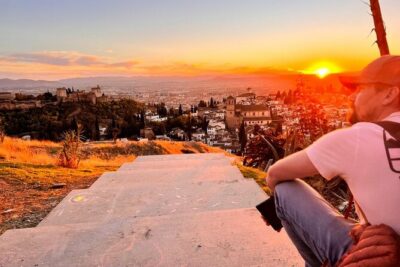
- Plaza de San Nicolás with time for photos and a bit of free wandering
- Paseo de los Tristes for scenic pauses and images
- Viewpoints and churches around San Nicolás and Carvajales in the broader route context
The practical takeaway for you: wear shoes you trust on uneven stone. If you’re tempted to bring sandals, don’t. This tour also isn’t for wheelchair users or people with mobility impairments, so if that’s your situation, plan for a different Granada day.
A note on walking pace
Even with a 3-hour duration, the itinerary is packed with short guided blocks. That’s good if you like momentum. It can feel a bit quick if you prefer long, slow photo sessions. If you know you’ll want extra time at a view, it helps to arrive with a plan: do your most important photos at the designated free-time stops, then keep moving.
Churches, monastery stops, and the “layers” of Granada
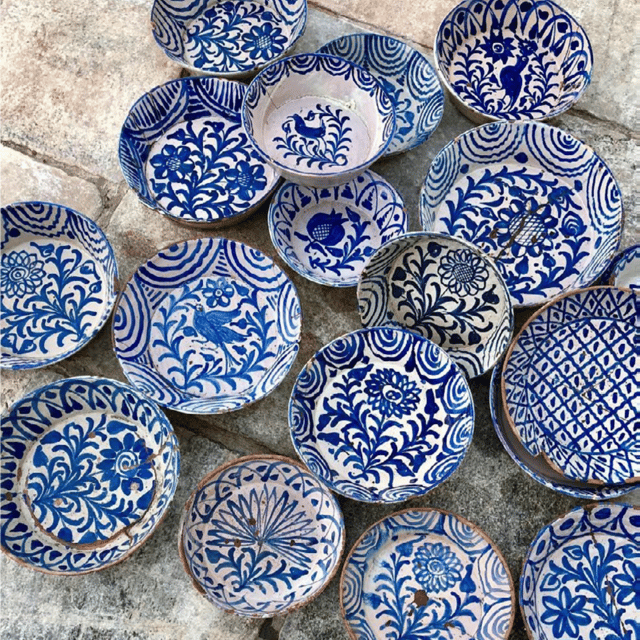
Between the viewpoints, the tour focuses on religious and historic buildings—places that help you see the city’s changing identity over time. You don’t just stand outside and move on. The stops include short guided moments and quick walks that add context.
A few highlights that shape the feel of this portion:
- Royal Convent of Saint Isabel La Real: a brief sightseeing stop that sets a reflective tone
- Iglesia de San Miguel Bajo: guided time plus walking through the surrounding area
- Puerta Monaita: a gate visit with guided explanation
- Church of Santa Ana and the Royal Chancery in the broader route flow
The value here is that these stops act like chapter markers. As you walk, you’re connecting the dots between quarters and eras. The tour explicitly frames this as a contrast of different civilizations and cultures that have marked the land over long spans of time.
That might sound big-picture, but on the ground it’s easier than you’d think. When a guide points out how one building type or street area fits into the city’s evolution, you start noticing patterns on your own—what streets feel older, what areas feel more civic, and where the city’s power centers started to cluster.



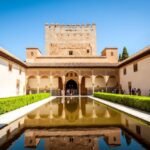
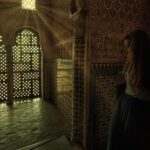
The San Nicolás area: where you slow down for the best photos
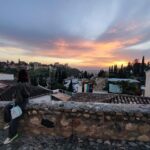
Plaza de San Nicolás is one of those places where the timing feels right. You get guided context first, then you’re given a 20-minute window for photos and free time. That’s a sweet spot: long enough to take multiple shots, but not so long that your feet hate you before the rest of the tour.
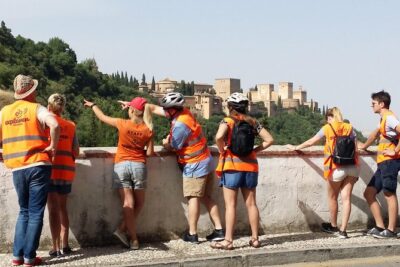
Nearby, the tour builds in viewpoints like Carvajales and includes a scenic walk along Paseo de los Tristes. That combination is smart. You don’t want just one view. You want a sequence: one panoramic moment, then another angle a little later.
For your own planning, here’s the useful part: if you care about photos, this is where you’ll want your best phone or camera settings ready. Keep an eye on your personal comfort, too. Albaicín streets can be steep and narrow, so it pays to pause where you’re told, not in the middle of someone’s path.
Plaza Nueva and the center: shifting from “old climb” to city hub energy
After the hill-heavy Albaicín portion, the tour transitions into the historic centre with stops that feel more open and civic.
Plaza Nueva is on the list with a photo stop and guided time plus walking. This area works like a reset button. Instead of constant ascent, you start moving through a different Granada rhythm—one that feels more connected to major city life.
From there, the route continues toward the religious and historic anchors that many first-time visitors come for:
- Royal Chapel of Granada (guided time)
- Madrasa (mentioned as part of the route)
- Alcaicería (market visit)
- Granada Cathedral (guided tour time)
Even if you don’t know what you’re looking at, these stops give you “anchors.” I love anchors on short trips because they help you remember what you saw. You can come back later and re-place the landmarks in your mind.
Alcaicería market area: a practical stop that adds texture
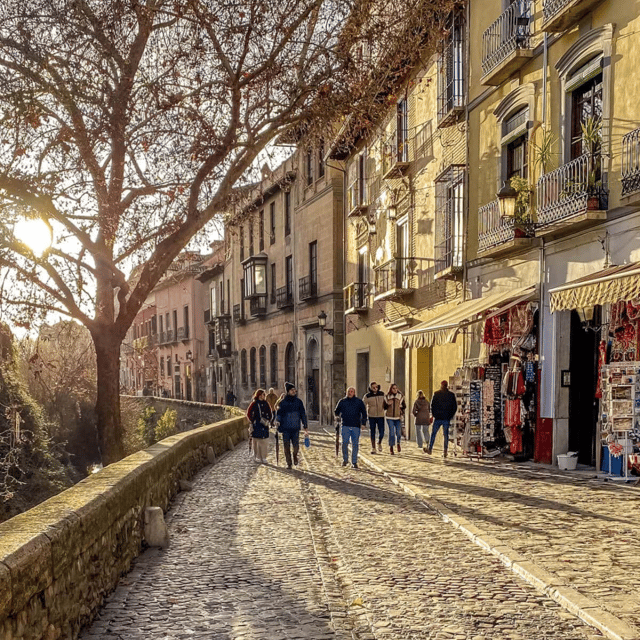
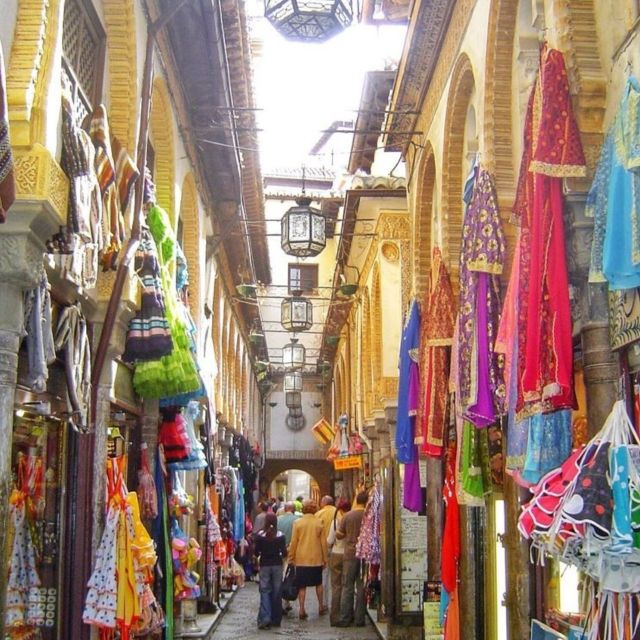
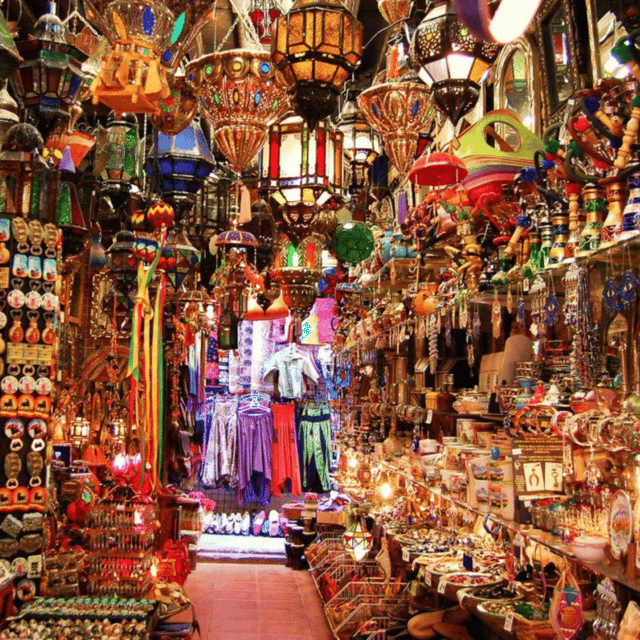
One of the best ways to make a historic day feel real is to include at least one market-style moment. The tour includes Alcaicería, a short visit time with a chance to experience the feel of the area.
This isn’t just a photo break. It adds street-level texture to the day: you’re moving from viewpoints and sacred architecture into a zone that feels more like everyday Granada movement.
If you’re the type who likes buying a small edible souvenir (olive oil, sweets, or similar), this is the kind of stop where you might find something. The tour doesn’t promise shopping time, but it’s positioned so you’ll have a chance to look and decide on the spot.
Royal Chapel and Granada Cathedral: finishing with major historic anchors
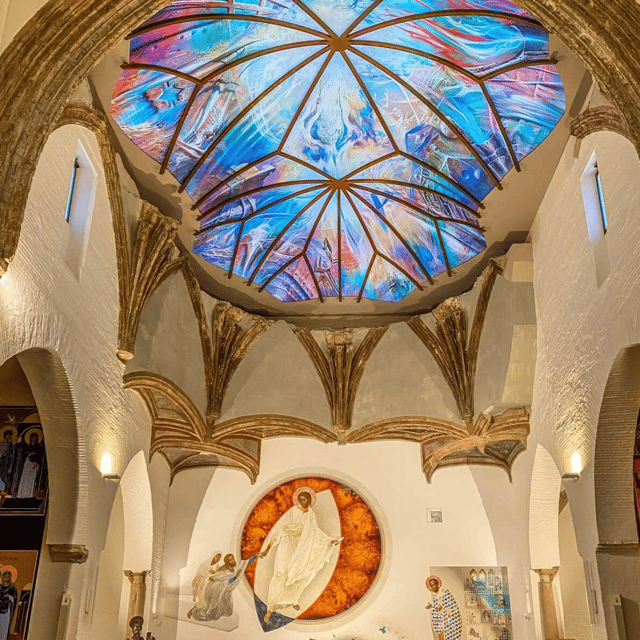
The tour closes with major landmarks, including the Royal Chapel and then Granada Cathedral. These are the stops that give you closure: after a morning or afternoon of gates, hill streets, and viewpoints, you end with buildings that feel like power and long-standing importance.
You get guided time for the Royal Chapel and then guided time for the Cathedral as part of the final stretch. That’s useful because it’s the part where you’ll likely ask yourself, What was I really seeing today? A guide can tie the earlier neighborhood story to these bigger, more formal spaces.
If you’re planning your own day afterward, keep in mind that you’ll likely want a little rest after the walk. But you’ll also be in a great mood for it—this kind of ending makes the whole route feel “complete.”
What you should know before you go (so the day feels easy)
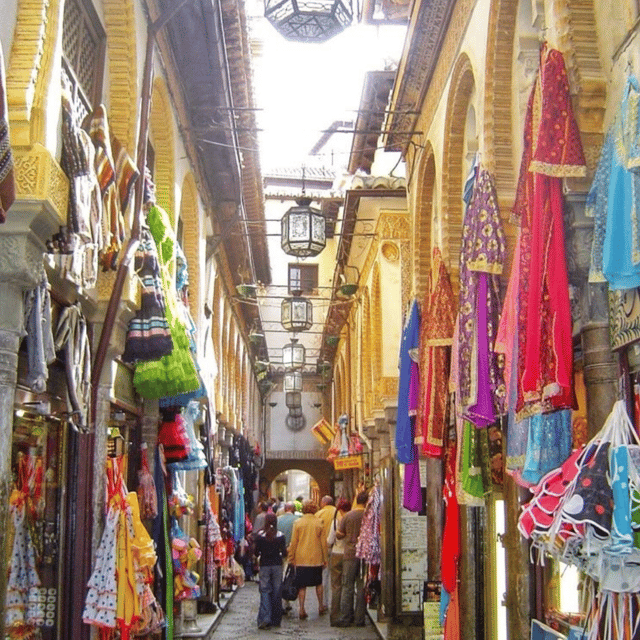
This tour is designed for walking, and that’s the main “must know.”
- Albaicín is on a hill with old cobbled streets. Expect uphill and downhill walking.
- Not suitable for wheelchairs or people with mobility impairments.
- Bring the right shoes. This is the simplest way to protect your enjoyment.
- Plan for short stops. The day is timed, so you’ll have moments for photos, but you’re also moving through a packed route.
If weather matters to you, keep an eye on conditions. The best viewpoints are outdoors, and you’ll want stable footing.
Price and value: is $23 worth it?
At $23 per person for about 3 hours, the value comes from what you’re buying: a guided route that combines orientation, viewpoints, and major landmarks in one organized loop.
You’re not paying for a long museum day. You’re paying for:
- a local guide in English or Spanish
- a route that gives you multiple viewpoint moments without wasted wandering
- guided context at several key buildings
- a structure that helps you understand Granada’s changing layers
If you’re traveling solo, the guide cost becomes even easier to justify because it replaces the time and effort of figuring out the “best order” yourself. If you’re traveling with others, it can also help you align everyone’s interests—history moments plus real photo time.
Who this tour suits best
This is a great fit if:
- you have limited time in Granada and want a smart first day
- you like viewpoint walking and want photo stops built into the schedule
- you want help orienting yourself so your other days make sense
It’s not the best fit if:
- you can’t handle cobbled, uphill streets (Albaicín)
- you want an unhurried pace with long stays in each spot
Should you book Granada in Full: Albaicín & the Historic Centre?
If you’re trying to decide whether to do a guided day in Granada, I’d lean yes. The structure makes sense for short stays, and the payoff is real: viewpoints, old neighborhood texture, and a strong finish at the Royal Chapel and Granada Cathedral.
Only skip it if your mobility needs or walking limits would make Albaicín uncomfortable. Otherwise, this is the kind of tour that helps you leave the city with a mental map, not just a camera roll.
FAQ
How long is the tour?
The tour lasts about 3 hours.
Where does the tour start?
You meet next to Puerta de Elvira, with the official guide accreditation visible on the guide.
What stops and areas are included?
You’ll see key parts of the Albaicín quarter and the historic centre, including Mirador de la Lona, Plaza de San Nicolás, Paseo de los Tristes, Plaza Nueva, the Royal Chapel, Alcaicería, and Granada Cathedral.
What languages are available?
The tour is offered in Spanish and English.
Is this tour suitable for wheelchair users or mobility impairments?
No. It’s not suitable for people with mobility impairments or wheelchair users.
What is the price?
The price is listed as $23 per person.
Is there free cancellation?
Yes, you can cancel up to 24 hours in advance for a full refund.