REVIEW · ALBAICIN & SACROMONTE WALKING TOURS
Granada: Historic Center and Lower Albaicin Walking Tour
Book on GetYourGuide →Operated by TABLAO FLAMENCO LA ALBOREA · Bookable on GetYourGuide
Granada makes sense fast on foot. This 2.5-hour walk mixes historic monuments in the center with the maze-like feel of lower Albaicín, plus one of the best photo moments of the Alhambra from street level. It’s a smart way to understand how the city’s layers fit together without getting lost for hours.
Two things I really like: the way the guide ties the sights to the big story of Granada’s Islamic heritage and the Christian Reconquista that ended in 1492, and the Alhambra viewpoint stop that actually helps you picture the landmark in real space. You’ll also get practical orientation, so the rest of your stay feels easier.
One watch-out: the route includes walking up into the Albaicín area, and it’s not a fit if you have mobility issues or need very flat ground. Even on good days, expect uneven streets and a bit of a climb.
In This Review
- Key highlights to expect
- Entering Granada’s historic core: why this walk works
- Meeting point: finding the guide near Isabel La Católica and Cristóbal Colón
- The historic center loop: from Corral del Carbón to Plaza Bib Rambla
- Corral del Carbón and the old market streets feeling
- Church of Saint Ana and the Cathedral area
- Plaza Bib Rambla and the Giants Fountain stop
- The royal court stops: Madraza, Royal High Court, and Royal Chancillería
- Why these stops are worth your time
- Entering lower Albaicín: narrow streets, Moorish echoes, and the Alhambra viewpoint
- The climb and the rhythm of the walk
- The viewpoint: Alhambra from lower Albaicín
- Guide style that makes the tour better: Pablo, Jaime, Anna, and the Q&A vibe
- Short flamenco context
- How hard is it, and who should skip it?
- Price and value: $16 for a 2.5-hour orientation
- Good places to follow up after the tour
- Should you book Granada Historic Center and Lower Albaicín?
- FAQ
- How long is the Granada Historic Center and Lower Albaicín walking tour?
- How much does the tour cost?
- Where is the meeting point?
- What’s included in the price?
- Which languages are offered for the live guide?
- What should I bring?
- Is the tour suitable for people with mobility impairments?
- Will we get a viewpoint of the Alhambra?
- What kind of history will the guide cover?
- Is free cancellation available?
Key highlights to expect
- A prime Alhambra photo viewpoint from lower Albaicín
- Historic-center monuments you can connect into one clear story
- Narrow, Moorish-feeling streets in the Albaicín walk
- Stops at famous places like Corral del Carbón and Plaza Bib Rambla
- A guide who keeps the pace moving and answers questions
- Occasional extra color like a short flamenco explanation
Entering Granada’s historic core: why this walk works
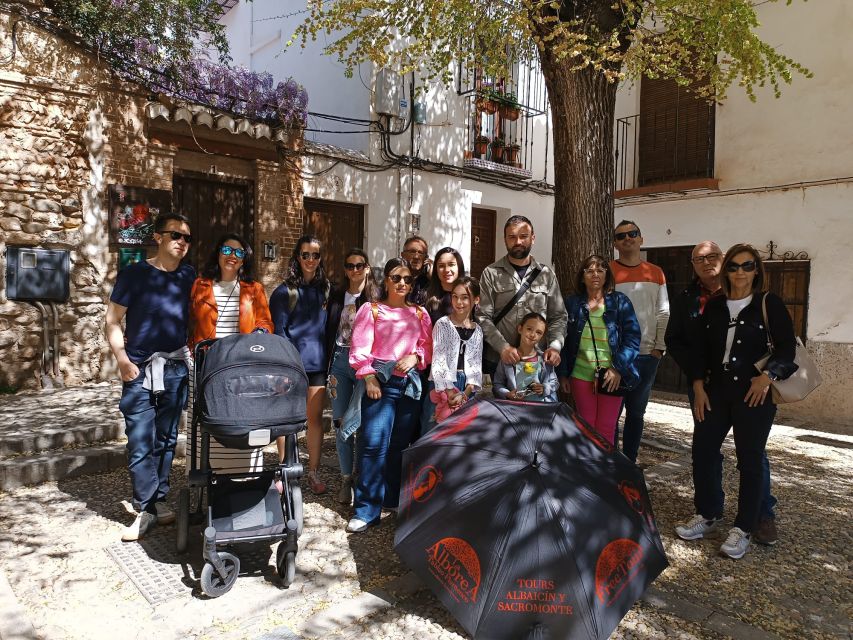
If you’re new to Granada, the city can feel like a puzzle box. Streets twist, viewpoints appear suddenly, and the big monuments don’t sit in neat rows. This tour helps you put the pieces together in a short time, because it focuses on the center first and then moves into the older-feeling neighborhoods of Albaicín.
The best part is that the walk doesn’t treat the sights as random stops. You’ll see major landmarks, then hear how they connect to the cultural shift from Moorish rule to the Christian kingdom era. That makes the architecture easier to read when you come back later on your own.
For 16 dollars and 2.5 hours, you’re basically paying for two things: a local guide’s storytelling and a route that keeps you from wandering in circles. If you want a first-day activity that gives you bearings fast, this hits that goal.
You can also read our reviews of more walking tours in Granada

Meeting point: finding the guide near Isabel La Católica and Cristóbal Colón
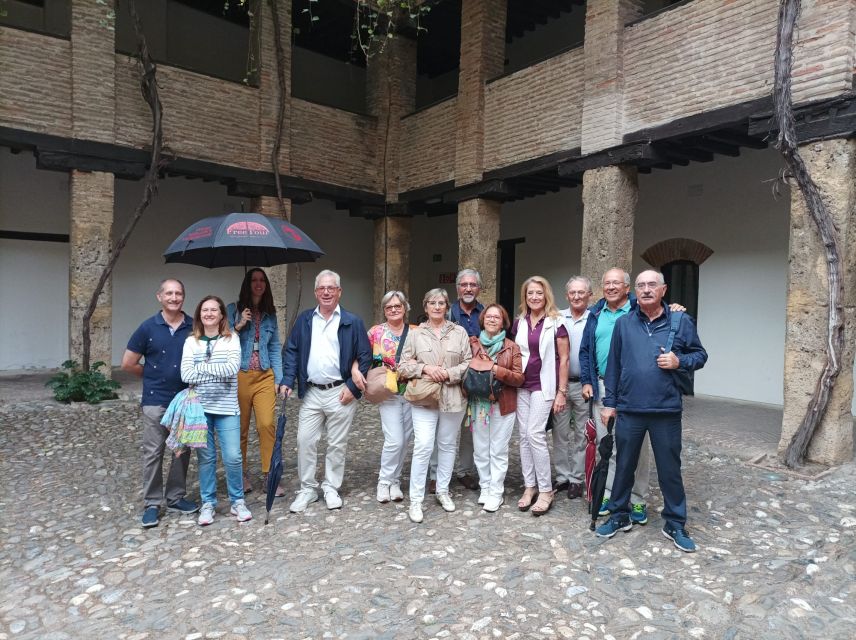
You’ll meet the guide in the heart of Granada, in front of the monument of Isabel La Católica and Cristóbal Colón. That’s a great setup because it places you close to the historic center energy right away, before you start your walking loop.
Practical tip: arrive a few minutes early and take a quick look around the square/monument area. Tour groups can blend into the crowd, and it’s easier to spot the person holding the group than to chase down a description while you’re already a block late.
The historic center loop: from Corral del Carbón to Plaza Bib Rambla
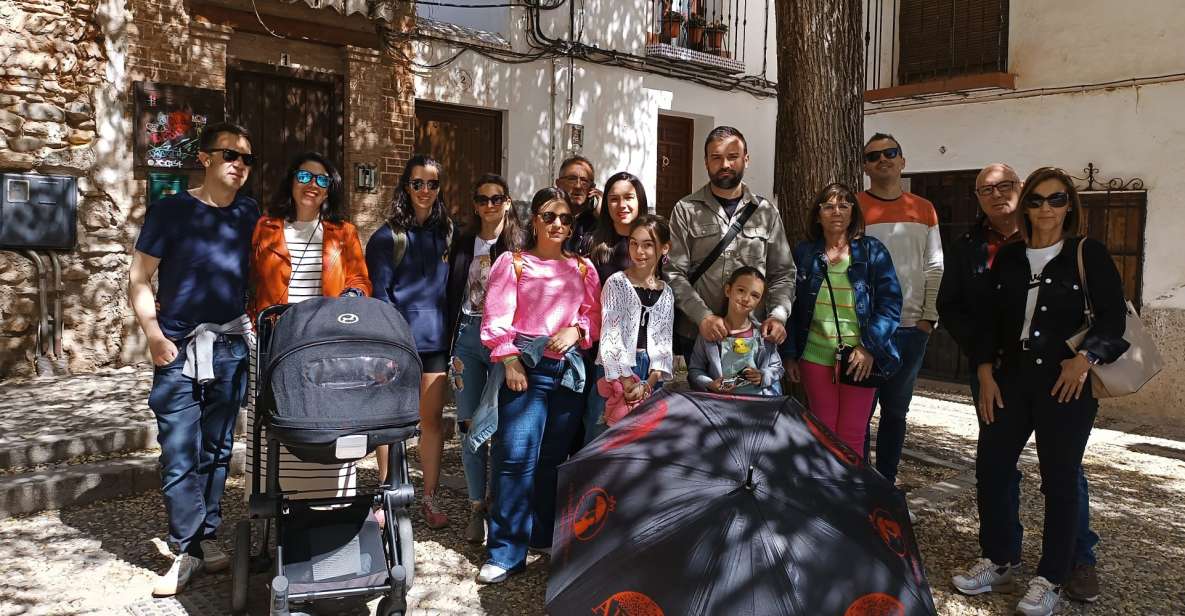
Your walk starts by moving through the historic center, where you’ll spot key civic and religious buildings without needing to plan routes yourself. You’ll also learn how Granada’s mixed cultural history shaped what you see.
Corral del Carbón and the old market streets feeling
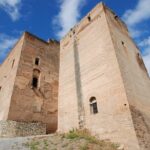
One of the early highlights is Corral del Carbón. It’s the kind of landmark that looks like it belongs to a specific era, even before you hear the details. The guide’s job is to give that building context so it doesn’t stay a photo-only stop.
From there, the tour heads toward the old commercial heart, including the Alcaicería. Even if you’ve visited other Spanish cities with old markets, the Alcaicería section is worth your attention because it anchors the story of everyday life in the city, not just royal politics and churches.
Church of Saint Ana and the Cathedral area
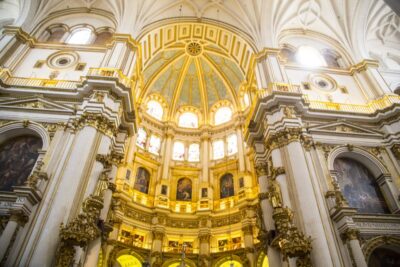
As you keep moving, you’ll pass by Church of Saint Ana and then reach the Cathedral. This is where the tour shifts from one kind of monument to another: sacred spaces become part of the same larger narrative you’ve been hearing since the first minutes.
The practical value here is timing. If you’re planning to visit the Cathedral later, hearing how it fits into Granada’s bigger sequence makes your second visit more meaningful. You’ll know what questions to ask when you’re looking at details on your own.
You can also read our reviews of more historical tours in Granada



Plaza Bib Rambla and the Giants Fountain stop
Plaza Bib Rambla is a key moment on this tour, and it’s not just because it’s a famous square. You’ll also see the Giants Fountain here, which gives you an easy focal point for photos and a natural place to pause.
This stop matters because squares in Granada are where stories “land.” After walking tight streets, you get a little open space, a chance to reset your legs, and time to absorb what you just learned. If you’re the type who likes to orient with landmarks first, this square does the job.
The royal court stops: Madraza, Royal High Court, and Royal Chancillería
Granada’s power structures aren’t hidden. They’re in the buildings, and this walk points you right at them. The tour includes stops at places such as the Madraza, the Royal High Court, the Royal Chancillería, and the Royal Jail.
A lot of walking tours race through these sites like they’re checkboxes. This one’s different in the way the guide connects them. You get a clearer idea of who held authority at different times, and what changes after the Reconquista finishes in 1492.
Even if you don’t memorize every name, you’ll remember the feeling: Granada wasn’t only about palaces. It was also about institutions, law, education, and administration. That makes the city feel more complete when you leave the tour route.
Why these stops are worth your time
These buildings are easy to walk past if you’re on your own because you might be focused on the Alhambra. But the guide keeps bringing you back to the idea that the Alhambra sits inside a whole system of governance and culture.
I like this approach because it turns the city into a story you can follow, not just a set of photos. And it helps you plan your free time afterward. When you know where the “official” Granada parts are, you can decide whether you want to spend deeper time there.
Entering lower Albaicín: narrow streets, Moorish echoes, and the Alhambra viewpoint
After the center portion, the tour shifts into lower Albaicín. This is where Granada stops feeling like a museum and starts feeling like a living maze.
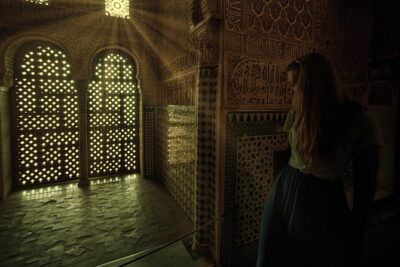
You’ll walk narrow, charming streets that evoke memories of the area’s Moorish past. That language might sound poetic, but you’ll feel it in the street pattern: tight turns, buildings close together, and the sense that you’re in an older layer of the city.
The climb and the rhythm of the walk
Be ready for a pace that assumes your legs work. Even people who are fine with normal sightseeing sometimes feel the effort here, especially if they’re carrying bags or visiting in warmer months.
That said, some guides manage the pace with built-in breaks and question time. If your group needs a breather, it’s often possible to pause and regroup. Just don’t treat it like a stroll on perfectly flat ground.
The viewpoint: Alhambra from lower Albaicín
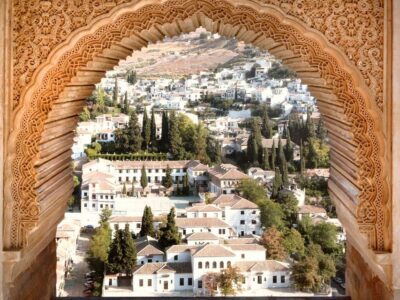
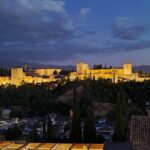
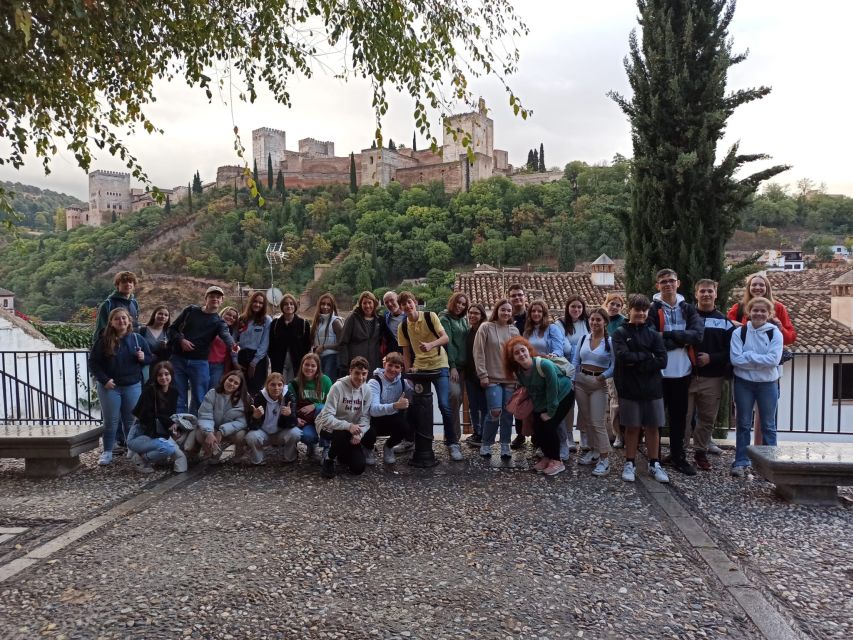
The tour includes a stop at a stunning viewpoint of the Alhambra. This is one of those moments that changes how you understand the landmark. Instead of seeing the Alhambra only as a distant silhouette, you get a view that feels more connected to the streets below.
If you care about photography, this is a high-payoff stop. You’ll have time to frame shots and take in the setting. More importantly, you’ll learn where you’ll want to look later, because your brain now has a “map” for what you saw.
Guide style that makes the tour better: Pablo, Jaime, Anna, and the Q&A vibe
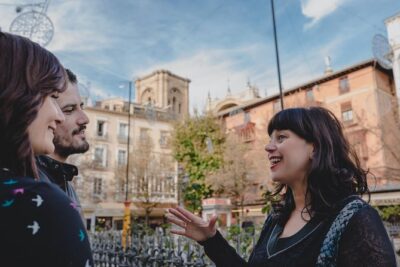
What really sets this tour apart is the guide experience. Multiple guides are mentioned across bookings, including Pablo and Jaime, and several guests highlight the same pattern: friendly delivery plus real enthusiasm for the city.
You’ll likely get more than a script. Many guides answer questions directly, and some actively pull the group into conversation. That’s great for learning, but it’s also practical because you can ask what you’re most curious about: architecture, street-level details, or what’s worth revisiting later.
One small caution: a couple of people mention that English understanding can be tricky if the guide’s accent is strong. The good news is that English grammar is typically strong, and you can usually catch the main points even if you have to listen carefully.
Short flamenco context
One review mentions a peaceful interlude explaining flamenco. That’s not a guarantee every time, but it’s a nice example of how some guides add cultural texture without turning the tour into a lecture.
If you like your history with a side of local culture, that kind of moment makes the walk feel more human.
How hard is it, and who should skip it?
This tour isn’t listed as suitable for people with mobility impairments. That’s because the route involves walking through the historic center and into the Albaicín area with narrow streets and a bit of uphill effort.
If you:
- need step-free access
- get tired quickly on hills
- or prefer long sightseeing sits
…you’ll likely struggle with this one.
If you can handle an active walking morning with comfortable shoes, this is a good fit. It’s also ideal for first-time visitors who want to see a lot without committing to a heavy “museum day.”
My suggestion: wear grippy shoes. Granada’s cobbles are pretty, but they’re also slippery when you least expect it.
Price and value: $16 for a 2.5-hour orientation
At around $16 per person for 2.5 hours with a guide, you’re not paying for an attraction ticket. You’re paying for routing, context, and time-efficient seeing of major monuments.
Here’s how I think about the value:
- The time savings are big. A self-guided walk to hit the same monuments in the right order would take longer and you’d likely miss the connections between Islamic heritage, Reconquista outcomes, and later Christian rule.
- The guide helps you understand what you’re looking at, which makes your free-time visits more rewarding.
- The Alhambra viewpoint stop adds weight to the price because it’s often the moment people realize they needed a strategy for photos.
If you’re doing Granada on a tight schedule, this tour is a practical investment. It’s also a low-risk way to test whether guided storytelling fits your style.
Good places to follow up after the tour
Because the walk covers both the center and lower Albaicín, it naturally points you to where you’ll want extra time. You’ll leave knowing the names and general locations of major sites like the Cathedral and the Royal Chancillería areas, plus the market-style stops in the old center.
Here’s what I’d do next, if you’re planning your day:
- Go back later to the squares (like Plaza Bib Rambla) when crowds thin.
- Spend extra time around whatever monument stuck with you most during the story—especially if it connected with the 1492 turning point.
- If you care about views, use the lower Albaicín viewpoint as your baseline map for other angles of the Alhambra.
Should you book Granada Historic Center and Lower Albaicín?
Book it if you want:
- a fast first-day orientation that covers the key center monuments
- an explanation of Granada’s layered story—Islamic heritage and the Reconquista ending in 1492
- an Alhambra viewpoint stop that makes your photos and understanding click
- a local guide who answers questions and helps you connect details you might otherwise miss
Skip it if:
- walking and hills are hard for you
- you strongly prefer self-paced sightseeing with no interpretive storytelling
- you need step-free access throughout the route
For most people who can manage an active walk, this is an excellent value way to start Granada. You’ll finish feeling like you can actually navigate the city with confidence, not just hold a phone full of pictures.
FAQ
How long is the Granada Historic Center and Lower Albaicín walking tour?
It lasts 2.5 hours.
How much does the tour cost?
The price is $16 per person.
Where is the meeting point?
Meet the guide in front of the monument of Isabel La Católica and Cristobal Colón.
What’s included in the price?
You get a live tour guide and the walking tour.
Which languages are offered for the live guide?
The tour is available in Spanish and English.
What should I bring?
Wear comfortable shoes for walking on historic streets.
Is the tour suitable for people with mobility impairments?
No, it is not suitable for people with mobility impairments.
Will we get a viewpoint of the Alhambra?
Yes. The tour includes a viewpoint stop for photos of the Alhambra.
What kind of history will the guide cover?
You’ll learn about Granada’s historic and Islamic heritage and the Reconquista, which concluded in Granada in 1492.
Is free cancellation available?
Yes. You can cancel up to 24 hours in advance for a full refund.