REVIEW · ALHAMBRA & NASRID PALACES TOURS
Granada: Moorish Monuments Entrance Tickets
Book on GetYourGuide →Operated by Distributor: GetYourGuide Tours & Tickets GmbH · Bookable on GetYourGuide
Granada rewards slow wandering, and this ticket turns that into a clear plan. You get entry to five Moorish-era monuments in the Albaicín neighborhood, including the standout El Bañuelo bathhouse. It’s also a good value because you’re not paying for a separate guided tour—just entrances and your own pace. The only real catch: you’ll want to be ready for walking and for limited on-site interpretation.
My favorite part is how the sites link together like chapters in one neighborhood. El Bañuelo shows how bath culture mixed ritual and everyday life, and Corral del Carbón adds a market-and-travel angle with its old grain depot, warehouse, and hostel setup. One drawback to consider is that on some visits, signage and help can feel thin, and QR/audio-style info may not always be reliable.
In This Review
- Key things to know before you go
- Walking Albaicín with a ticket that actually makes sense
- The stops: what you’ll see and what it means
- El Bañuelo: one of the best-preserved Arab bathhouses
- Corral del Carbón: traders’ market turned story of travel
- Maristán: a hospital founded by Sultan Muhammad V
- Casa Morisca de Horno de Oro: Moorish house with Alhambra views
- Dar al-Horra Palace: a Nasrid residence
- How to pace it in one day (without rushing yourself)
- Tickets, timing, and the Sunday freebie
- Who this is best for (and who might want a different plan)
- Practical tips to make the most of your day
- Should you book this Granada Moorish Monuments ticket?
- FAQ
- Is there a tour guide with this ticket?
- Do I need an audio guide?
- What monuments are included?
- Where do I meet the group?
- Do I have to visit all sites on the same day?
- What should I bring?
- Are the monuments free on any day?
- Can I get a refund if my plans change?
Key things to know before you go
- Five entrances, one day: Corral del Carbón, El Bañuelo, Casa Morisca (Horno de Oro), the Maristán, and Dar al-Horra.
- Self-guided means freedom: you visit in any order and set your own pace.
- El Bañuelo is a top pick: it’s one of the best-preserved Arab bathhouses in the region.
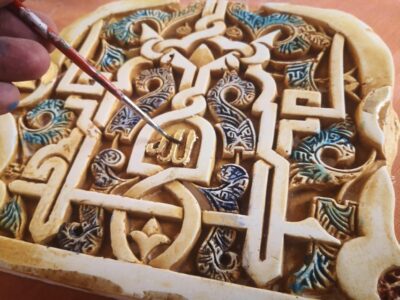
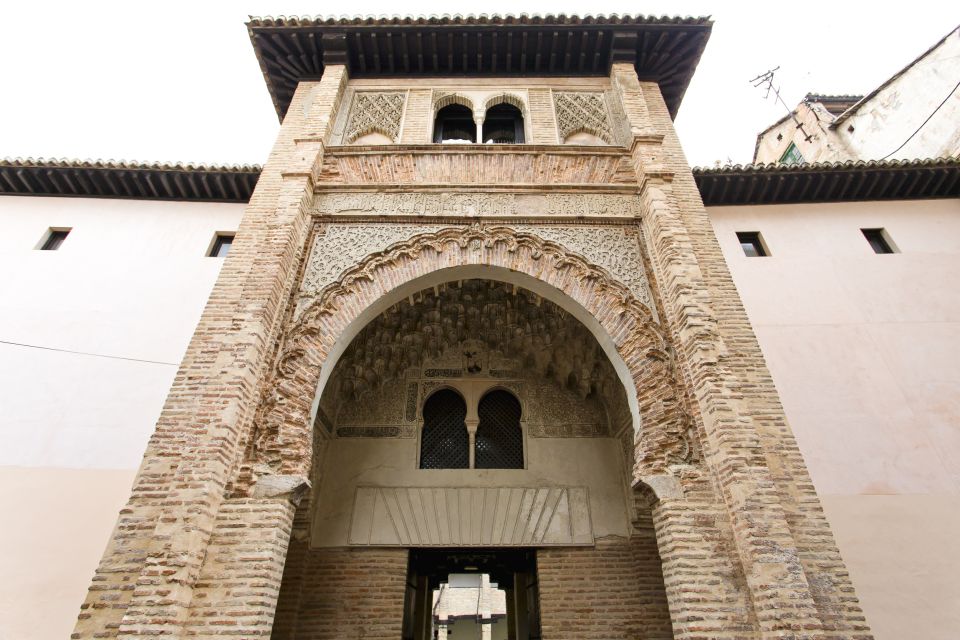
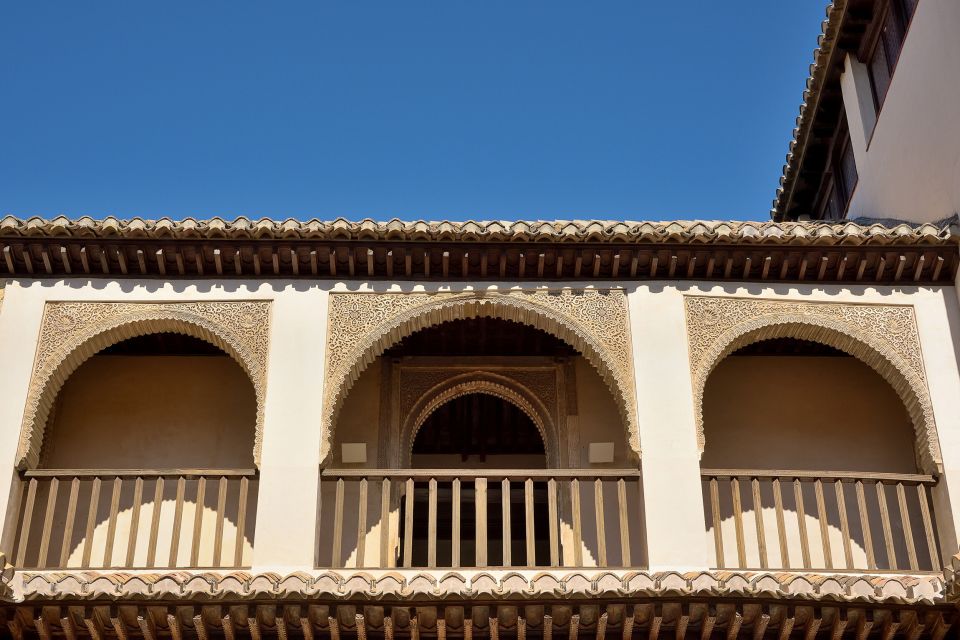
- Architecture-focused stops: details matter at the facade of Corral del Carbón and inside the Moorish house.
- Views shape the Casa Morisca stop: Casa Morisca is well-preserved and looks toward the Alhambra.
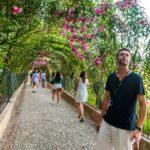
- You’ll walk Albaicín: narrow cobblestoned streets are part of the deal, so plan for a real stroll.
Walking Albaicín with a ticket that actually makes sense
Granada’s Albaicín is the kind of place where you can get turned around in the best possible way. This ticket helps you harness that wandering by giving you a short list of meaningful sites tied to the city’s Moorish period. You don’t need to line up at each entrance, and you don’t need to coordinate a group schedule.
For you, the big practical benefit is the rhythm. You can start wherever you like, move from one site to the next, and spend extra time where something grabs you—bathhouse details, carved architectural edges, or a quieter room that begs for a pause. For a one-day visit, that control is worth a lot.
Value-wise, $14 per person is reasonable for a combo that includes multiple paid entrances. Since this is self-guided, you’re essentially buying access to five monuments rather than paying for an organized lecture. If you’re the type who reads signs for a few minutes and then looks harder with your eyes, you’ll get more out of it.
You can also read our reviews of more tours and experiences in Granada


The stops: what you’ll see and what it means
This experience is built around four Muslim heritage monuments in the Albaicín area, plus one more included site that adds extra context about daily life. You move on your own between them, and you can visit in any order as long as you do them all on the same day.
El Bañuelo: one of the best-preserved Arab bathhouses
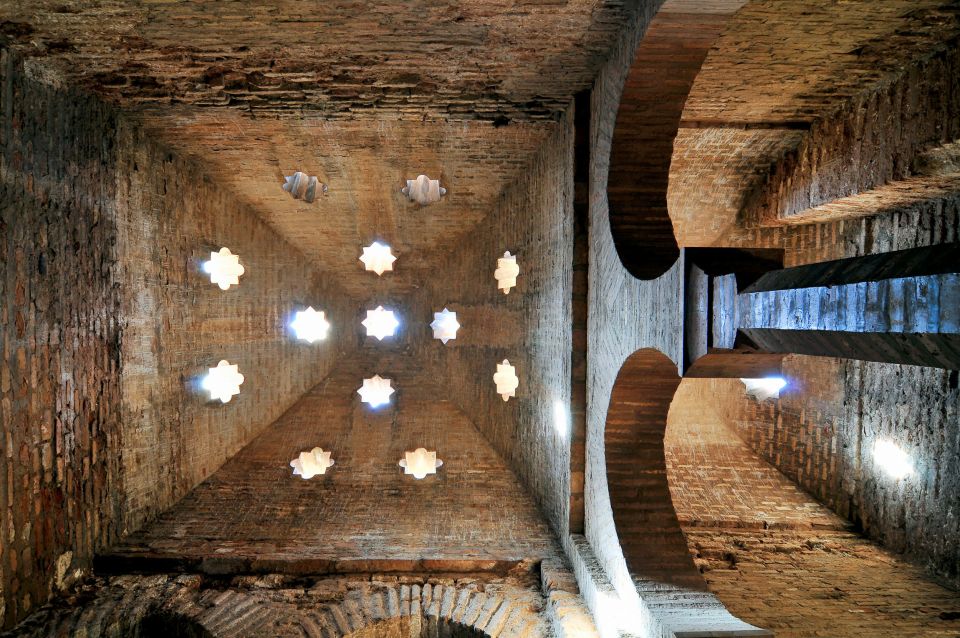
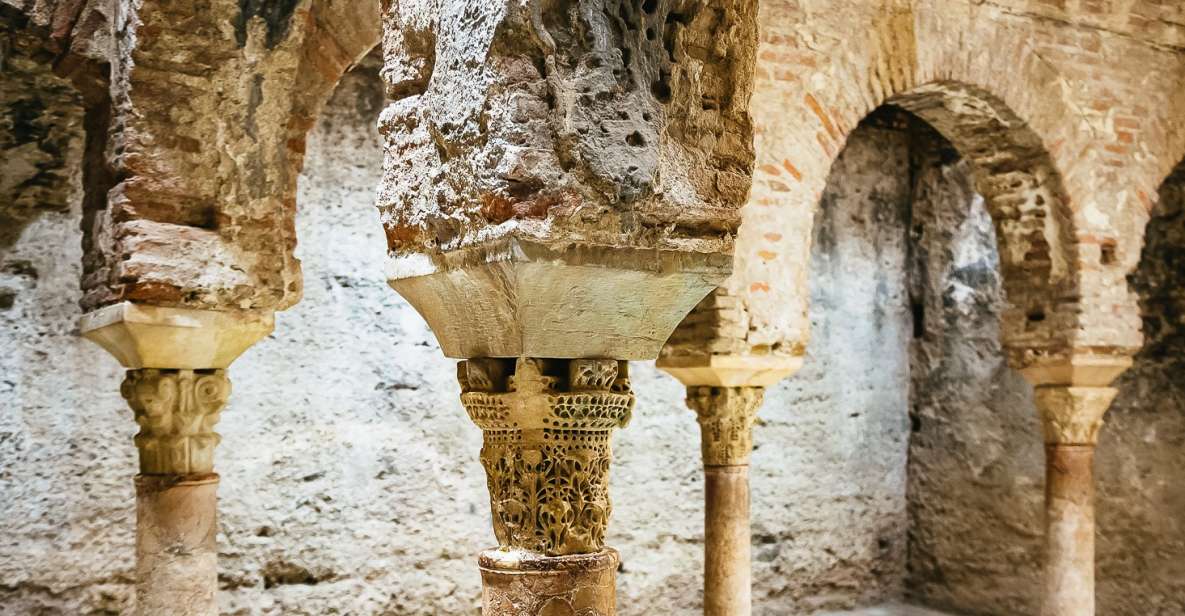
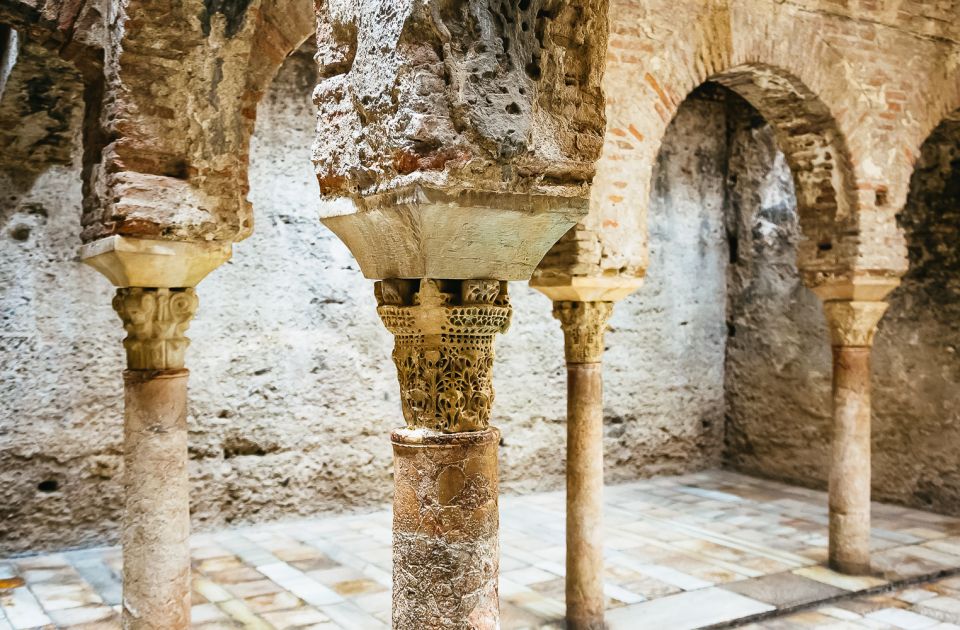
El Bañuelo is the headline for a reason. This bathhouse is described as one of the best-preserved Arab bathhouses in the region, and that preservation shows. You’ll wander through chambers where ritual and physical bathing once took place.
What I like about this stop for your experience is the built-in “show, don’t tell” effect. A bathhouse isn’t just a building; it’s a system of rooms and movement. Even without a guide, you can often understand the flow—how spaces are separated, how bathing culture shaped the building, and how everyday routines could also carry a sense of ritual. It’s a strong choice if you want architecture you can feel, not just look at.
Potential drawback: if you’re expecting a lot of written interpretation for each room, you might feel slightly underfed. One review specifically calls out that there wasn’t enough information about the different rooms. If that matters to you, consider doing a quick bit of background reading before you arrive, so you know what to watch for as you walk.
Corral del Carbón: traders’ market turned story of travel
Corral del Carbón is one of those places where history is tied to movement. It’s described as an ancient traders’ market, and as you pass through the entryway, pay attention to the facade details. The site also includes the old grain depot, warehouse, and traveler’s hostel functions—so it’s not just a pretty doorway.
This is a valuable stop because it broadens what “Moorish Granada” can mean. Instead of focusing only on palaces and elite residences, Corral del Carbón points to the commercial pulse of the city: goods stored, travelers housed, and trade organized. If you like places where daily work and travel shaped what people saw and heard, this is your kind of stop.
Practical tip for you: give yourself a few extra minutes here to really slow down at the facade before moving on. With the streets of Albaicín outside, it’s easy to keep your eyes on the next corner and miss architectural cues you’ll only catch if you stand still.
Maristán: a hospital founded by Sultan Muhammad V
The Maristán is one of the most interesting “life functions” stops on this ticket. It was founded as a hospital by Sultan Muhammad V in the 14th century. That detail matters because it connects Moorish culture to real social services, not just aesthetics.
Why this works on a self-guided route is that you don’t need a long context lecture to get something out of it. You can treat the building as evidence: a place where care was organized, how institutions operated, and how a ruler’s priorities could show up in architecture. It’s a good counterbalance to the bathhouse and the trader’s world.
A consideration: not every stop hits equally for everyone. One review says the old hospital didn’t add much value for them, and another felt the later house stop offered less impact than expected. If you tend to love only the most visually dramatic rooms, you may want to approach Maristán with realistic expectations: it’s meaningful, but it may not feel as “wow” as the bathhouse or palace.

Casa Morisca de Horno de Oro: Moorish house with Alhambra views
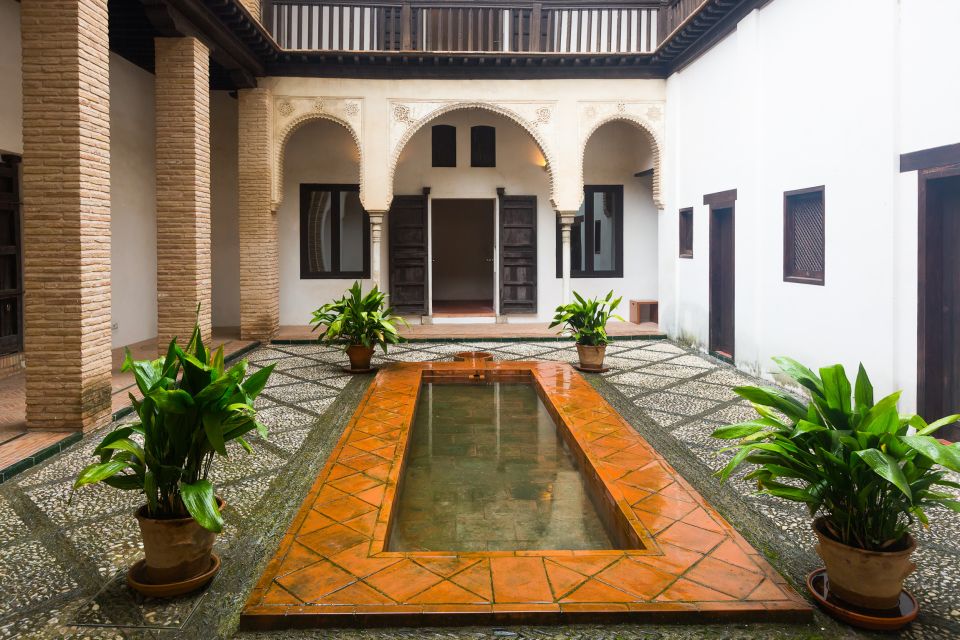
Casa Morisca de Horno de Oro is a well-preserved Moorish house, and the views toward the Alhambra are part of why people remember it. This is where you can switch from “institution” and “public building” to “private residence,” even if you’re not staying there.
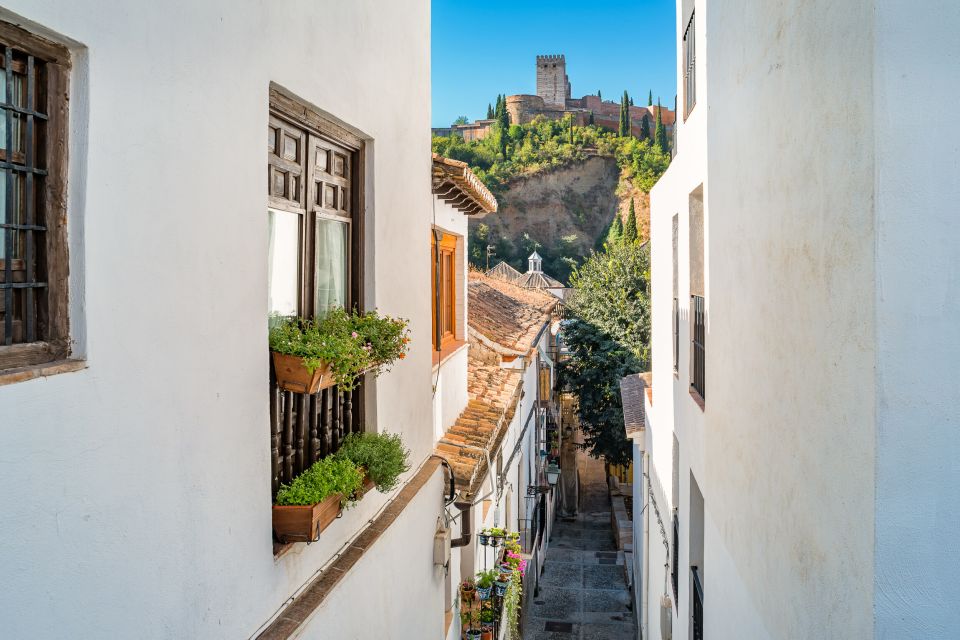
What you’ll likely enjoy here is the combination of home-like spaces plus the visual payoff. The Alhambra view isn’t just scenic; it also helps you understand Granada’s geography and how these neighborhoods relate. When you see that line of sight, the city starts to click as one connected landscape rather than separate attractions.
One more practical note: because this is self-guided and audio guidance isn’t included, you’ll rely more on your own observation. If you like architecture that rewards careful looking—doorways, room layouts, and transitions between spaces—you’ll probably enjoy this stop more than if you mostly want big signage and guided storytelling.
Dar al-Horra Palace: a Nasrid residence
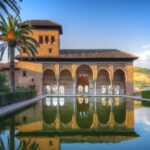
You’ll end with a visit to the Nasrid palace of Dar al-Horra Palace. A former Sultan’s residence, it’s your best “palace finale” on this route, especially if you’re trying to complete a full arc from public life and everyday culture to courtly spaces.
For your experience, this works well as a closer because palaces tend to leave you with a strong final impression: the sense of rank, design choices that support elite routines, and the way a residence can feel like a statement of power and lifestyle. Even if you don’t have an audio guide, palaces are usually easier to interpret with your eyes—movement from room to room, transitions in decoration, and the overall flow of the residence.
How to pace it in one day (without rushing yourself)
The ticket is valid for visiting all of the included monuments on the same day, and you can choose the order. That flexibility is great, but it also means you should plan for time.
In Albaicín, movement between stops can eat up minutes, especially with narrow cobblestones and the natural habit of stopping for photos. One review is blunt about this: plan for a good walk to cover all included sites.
My practical advice: give yourself buffer time. If you schedule it like a race, you’ll end up sprinting between entrances and missing the reason you bought the ticket in the first place—slow, atmospheric wandering through Moorish-era spaces.
Tickets, timing, and the Sunday freebie
You’re not tied to one guided group meeting point. You’ll make your own way to each monument, in whatever order makes sense for your walk. You’ll also skip the ticket line, which is a real time-saver in a popular city.
Two timing details matter:
- This ticket is valid for 1 day and you should check availability for starting times.
- On Sundays, admission to all of the monuments is free. If you’re traveling on a Sunday, you may want to think twice about buying this specific ticket unless it’s still useful for line-skipping at your preferred hours.
You’ll need an ID document (passport or ID card). And since this is non-refundable, you’ll want to be fairly confident about your plan before you buy.
Who this is best for (and who might want a different plan)
This ticket is a strong match if:
- you like self-guided exploration and want to set your own pace,
- you’re interested in the Moorish side of Granada beyond the headline sights,
- you’re comfortable with walking in Albaicín’s narrow streets,
- you enjoy architecture and want to compare public, institutional, and residential spaces in one neighborhood.
You might think twice if:
- you strongly want a lot of interpretive information inside every room,
- you expect a working audio guide experience with lots of signage support,
- you hate walking more than you expect (because doing all five included sites means you’ll cover ground).
If you fall in the middle—curious but also picky about explanations—the best strategy is simple: do a quick bit of reading before you go so you can make the most of what you see when you’re inside.
Practical tips to make the most of your day
Here are the things that will help you enjoy the route, even with the self-guided format:
- Use the sites as chapters. Bathhouse first for everyday ritual, then the trade/hospital themes, then end with the Sultan’s palace.
- Don’t assume signage will carry everything. One review complains there were few signs and QR codes for audio guides didn’t work. Even if that doesn’t happen every time, plan as if you’ll do some of the learning yourself.
- Spend extra time at the “entrypoints.” Corral del Carbón’s facade and Dar al-Horra’s palace entry transitions can set the tone—lingering helps.
- Bring an ID and plan your day tightly. The ticket is only valid if you visit all included monuments on the same day.
Should you book this Granada Moorish Monuments ticket?
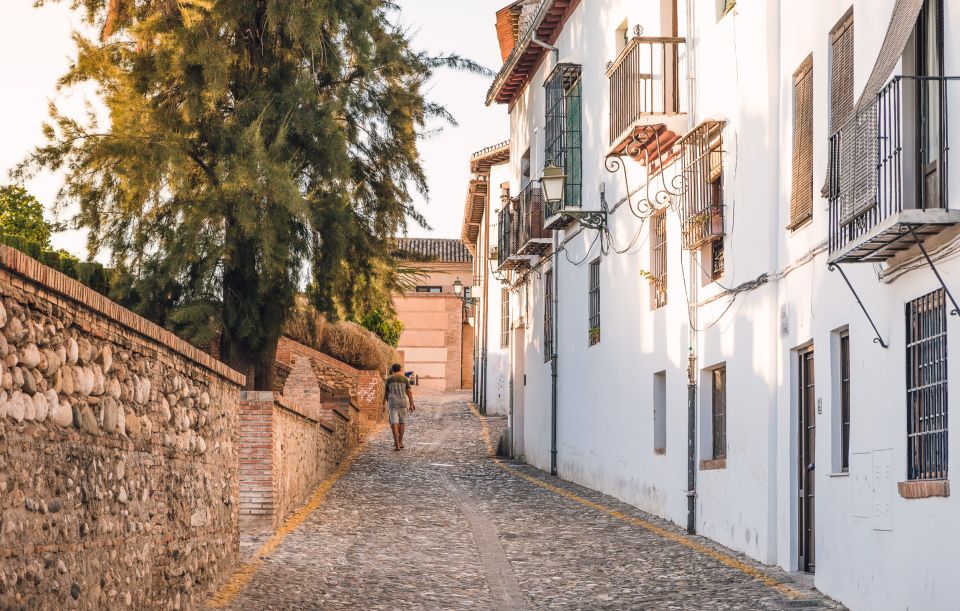
I’d book it if you want a compact, walkable way to see multiple Moorish-era sites in Albaicín without paying for a full guided tour. The price is sensible for five entrances, and the mix makes the day feel cohesive: bath culture (El Bañuelo), commerce and travel (Corral del Carbón), institutional care (Maristán), domestic life with Alhambra views (Casa Morisca), and palace space (Dar al-Horra).
I wouldn’t book it if you’re the type who depends on audio or very detailed room-by-room explanations to enjoy monuments. In that case, you’d likely feel the lack of interpretive support more than you expect. Also, if you’re going on a Sunday, remember that admission is free across the monuments—so you may prefer to spend your money elsewhere unless skip-the-line convenience is important to you.
If you’re happy to do a little pre-reading and then spend your time looking closely, this is a good way to turn Albaicín into a meaningful one-day route.
FAQ
Is there a tour guide with this ticket?
No. A tour guide is not included. You explore at your own pace.
Do I need an audio guide?
An audio guide is not included. The experience is self-guided.
What monuments are included?
Entry is included for Corral del Carbón, Bañuelo, Casa Morisca (Horno de Oro Street), Dar al-Horra Palace, and the Maristán.
Where do I meet the group?
You make your own way to each monument. You can visit the sites in any order.
Do I have to visit all sites on the same day?
Yes. Your ticket is only valid if you visit all of the monuments on the same day.
What should I bring?
Bring a passport or ID card.
Are the monuments free on any day?
Yes. On Sundays, admission to all of the monuments is free.
Can I get a refund if my plans change?
No. This activity is non-refundable.