REVIEW · WORKSHOPS
Granada: Perfume Workshop
Book on GetYourGuide →Operated by Patio de los Perfumes · Bookable on GetYourGuide
Granada’s scent workshop turns perfume into something you can actually make. In a 17th-century Renaissance palace at Patio de los Perfumes, you’ll learn how fragrance is built, then create a personal blend with a perfumer’s guidance. It’s practical, hands-on, and tied to the place itself, not just a quick demo.
I especially like two things. First, the workshop teaches perfume composition in plain language, so you understand what you’re smelling and why it changes over time. Second, you leave with a real bottle: 50 milliliters of your own fragrance to wear, not a tiny souvenir.
One thing to consider: this experience isn’t for everyone. It’s listed as not suitable for children under 10 and it’s not wheelchair accessible, so plan around that if mobility or age is a factor.
In This Review
- Key things to know before you go
- Granada’s Perfume Workshop in a Renaissance Palace Setting
- Finding the Workshop: Carrera del Darro and a Quick Arrival Routine
- Museum Time and a Drink Before You Start Mixing
- How the Perfumer Teaches Composition (And Why It Helps You Smell Better)
- Choosing Your Base Formula: Cologne, Fougère, or Chypré
- Raw Materials 101: Essential Oils You Can Actually Identify
- Your Personal Blend and the Tools of the Trade
- Museum Grounds, Palacio Vibes, and Why Timing Matters
- What You Take Home: 50 ml of Your Own Wearable Fragrance
- Price and Value: Is $77 Fair for 2 Hours in Granada?
- Who This Workshop Suits Best (And Who Should Pass)
- Should You Book This Granada Perfume Workshop?
- FAQ
- How long is the Granada perfume workshop experience?
- Where is the meeting point?
- What base formula options can I choose from?
- What do I take home at the end?
- Does the experience include anything besides the workshop?
- What languages are available for the instructor?
- Is it suitable for children and wheelchair users?
Key things to know before you go
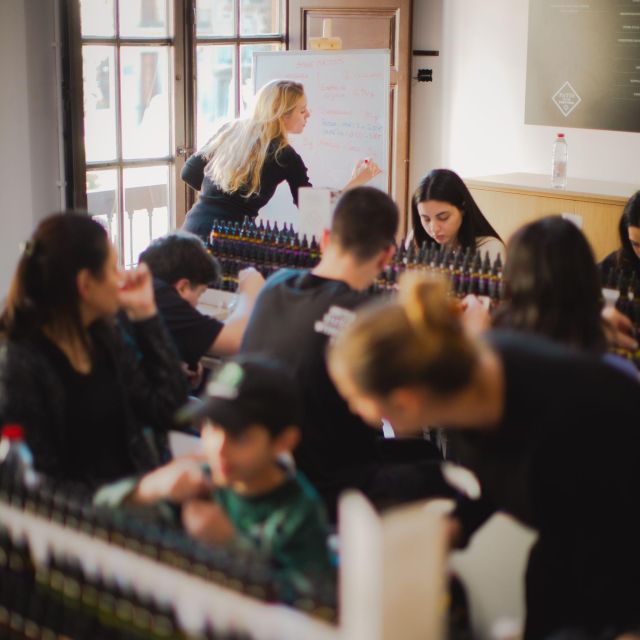
- A perfumer guides you step-by-step while you build a formula from scratch, not just watch.
- Choose a base style from Cologne, Fougère, or Chypré, then customize it with tools and oils.
- You’ll learn about raw materials used in perfumery, so the smells start to make sense.
- The setting is the Patio de los Perfumes in a historic palace, with museum time before/around the workshop.
- You’ll take home a 50 ml creation plus a drink of your choice.
Granada’s Perfume Workshop in a Renaissance Palace Setting
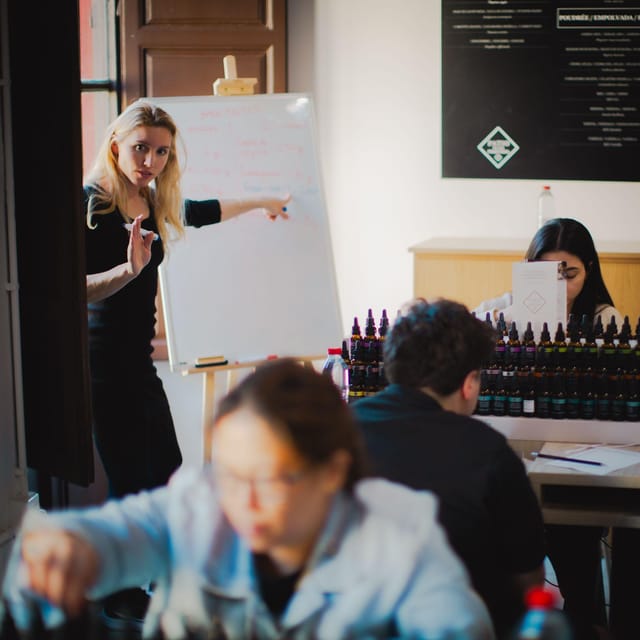
If you’ve ever tried to buy perfume and ended up confused by all the notes, this workshop is a fix. Here, scent isn’t treated like magic or marketing. It’s treated like a craft you can understand.
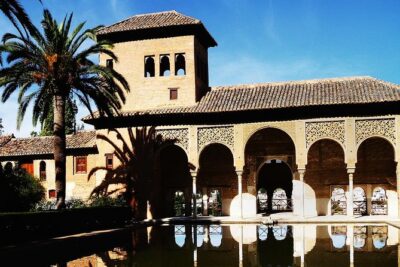
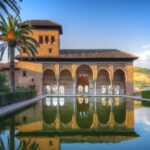
The experience happens in Patio de los Perfumes, set in a Renaissance palace dating back to the 17th century. That matters more than it sounds. You’re not smelling in a loud, clinical room. You’re learning in a space that feels made for slow attention—exactly what perfume needs.
You’ll start with a museum visit, then move into the hands-on work where you’ll build your blend. The pacing is designed so the learning stays useful instead of overwhelming. You’ll end with something you can wear, not just a new vocabulary.
You can also read our reviews of more tours and experiences in Granada
Finding the Workshop: Carrera del Darro and a Quick Arrival Routine
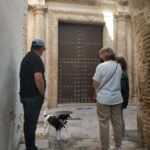
You’ll meet at Carrera del Darro, 5. The simple tip: go to the cashier and notify them of your arrival. This is one of those small details that keeps things smooth, especially in Granada’s older lanes where everything feels close but signage can be tricky.
Because the whole experience is time-based (it runs for about 2 hours total), arriving a little early is smart. In the reviews, the palace grounds come up as stunning, and you don’t want to feel rushed right when you walk in. Give yourself a few extra minutes to settle, look around, and get oriented.
Museum Time and a Drink Before You Start Mixing
The workshop isn’t the entire event. You also get a visit to the museum and a drink of your choice. That combination is quietly important: it turns the experience into an outing, not a conveyor belt.
The museum visit sets your expectations for what you’re about to do. Even if you’re new to perfume, you’ll be surrounded by the materials, context, and the idea that scent has structure. Then the drink helps you slow down before the “hands working, nose listening” part begins.
This is also where the tone of the day is set. The environment is described as calming, and the guide’s style is part of why it works. If you’re someone who tends to get shy in class settings, you’ll likely find the atmosphere more relaxed than you’d expect from a niche workshop.
How the Perfumer Teaches Composition (And Why It Helps You Smell Better)
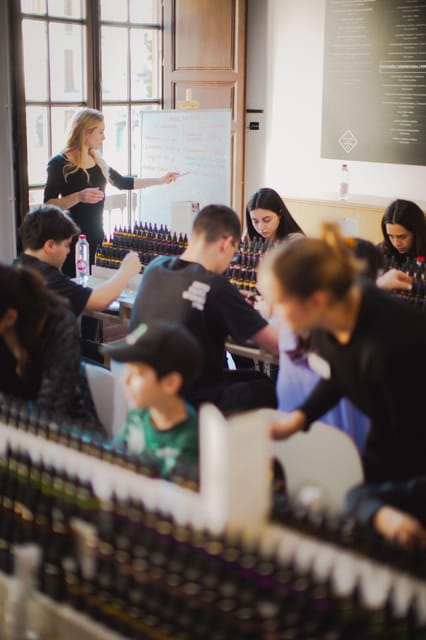
The core of this experience is learning perfume composition with a perfumer’s help. You don’t just get told what to add. You learn the logic behind it: how fragrance works as a formula and how it evolves after it touches the skin or air.
That makes a huge difference when you’re trying to build something that feels balanced. Instead of copying a scent you like, you start to understand the roles different ingredients play. Even a basic grasp helps you predict what will happen as your blend develops.
You’ll get an introduction and then the first steps required for better perfume composition. The guiding approach is meant to be approachable. In the accounts shared about the workshop, the leader (Natalia) is described as knowledgeable and fun, but also careful not to take over. That’s a good sign. You’ll stay involved, not delegated.
And you’ll likely leave with a “new nose” effect. Once you understand structure, perfume stops being a blur of pleasant smells and starts being a set of decisions you can feel.
Choosing Your Base Formula: Cologne, Fougère, or Chypré
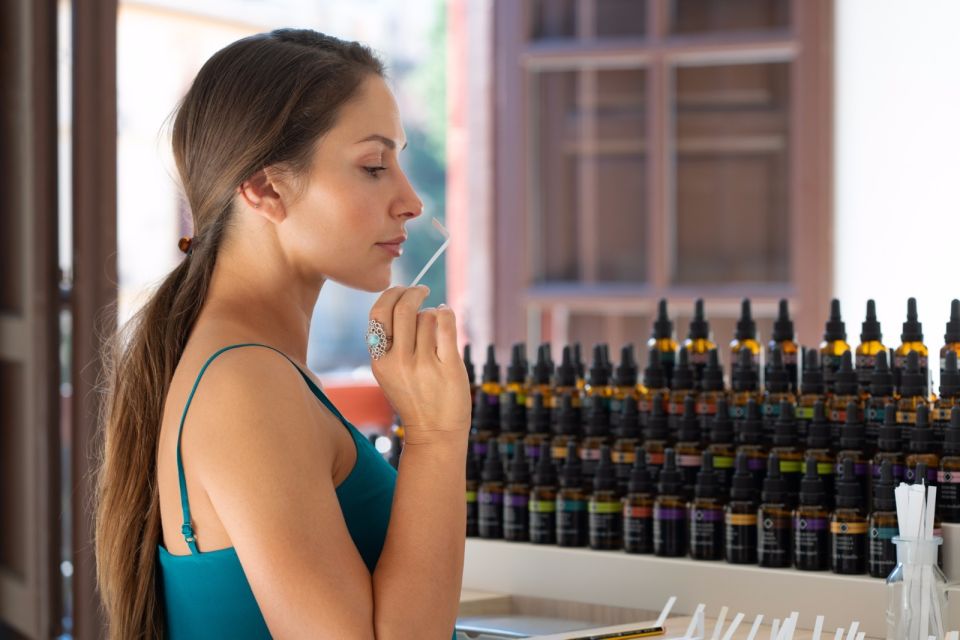
One of the best parts is that you’re not starting from a blank page with no direction. You choose a base formula from three options: Cologne, Fougère, or Chypré.
Think of the base like the backbone of the fragrance. It gives your blend a starting personality, so your customization has something to build on. You’re not randomly mixing; you’re shaping.
Cologne-style bases tend to feel clean and bright. Fougère often leans classic and slightly green or herbal in character. Chypré is another traditional category that can feel distinctive and structured. You don’t need to know these terms to enjoy the workshop, but knowing which direction you want to go beforehand helps you make faster, better choices during mixing.
Your perfumer’s tools help you modify and personalize the chosen basis formula. That’s where the fun lives: you start with a framework, then you steer it toward something that feels like you.


Raw Materials 101: Essential Oils You Can Actually Identify
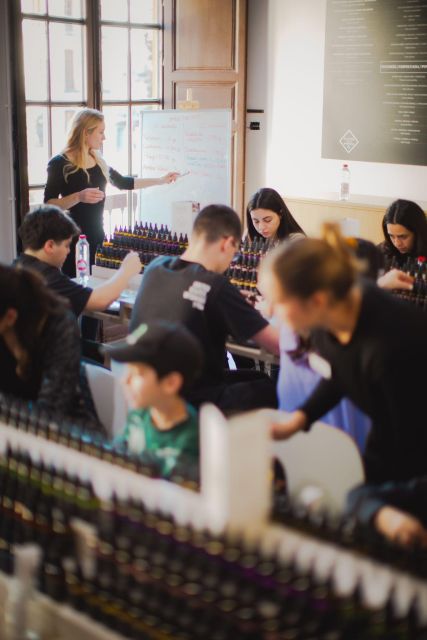
A good perfume experience shouldn’t just be about “smell this, add this.” This one includes a discovery of the raw materials used in perfumery.
Why that matters: when you understand what an ingredient category does, you can describe your own preferences better. You might notice how certain ingredients read as airy or deep, sharp or mellow, fast or slow to fade.
You also get access to exclusive rare and precious essential oils provided for the workshop. That’s not just a flex; it changes the quality of what you can make. It’s easier to craft something memorable when you’re working with materials that have character.
The learning goal here is practical. You’re building confidence with scent materials, so the finished bottle feels earned and intentional—not like a lucky accident.
Your Personal Blend and the Tools of the Trade
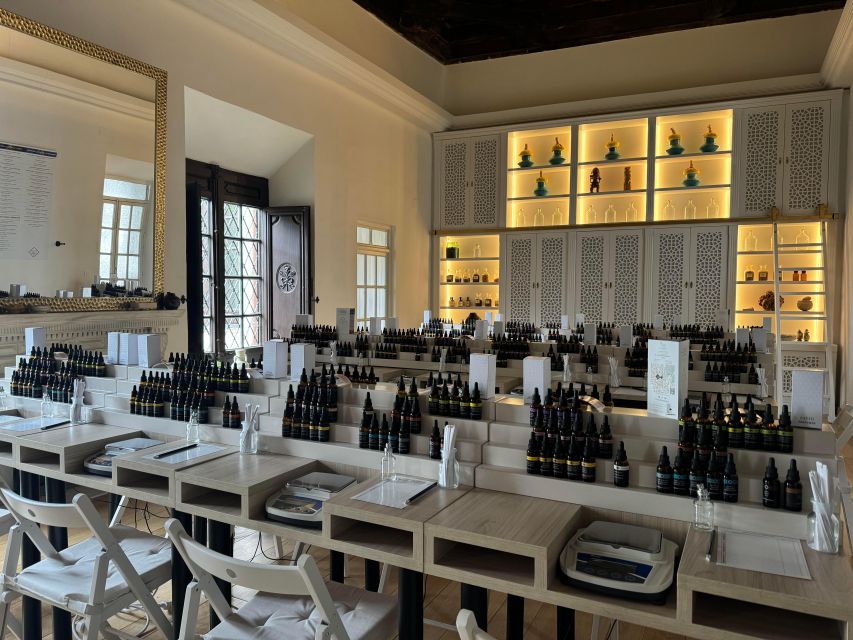
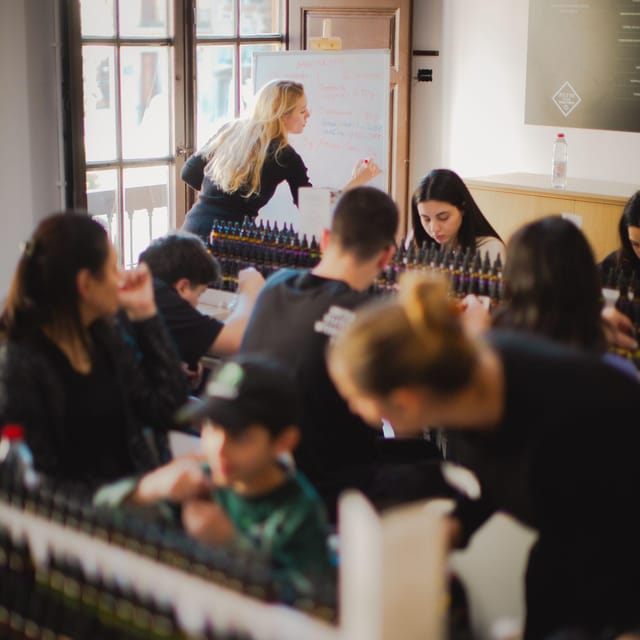
After the introduction and the base selection, you move into the customization stage. You’ll use the perfumer’s tools to adjust and craft your formula. This is the part where you stop thinking about perfume as a product and start experiencing it as a process.
In the best kind of workshop, you’re busy enough to stay engaged, but guided enough that you don’t feel lost. That’s exactly the balance described by people who worked with Natalia: she helps, but doesn’t guide with a heavy hand. You’ll get insights, then you’ll make choices.
You’ll also have time to focus on how the blend is behaving. Perfume isn’t static. Ingredients interact, and the scent you smell at the start is not always the same impression you get later. Even in a short session, the workshop structure nudges you to think about evolution rather than one moment of smell.
If you’re the type who likes to be creative but also hates guesswork, this works well. The base formula gives boundaries. The tools and guidance help you apply your creativity with intention.
Museum Grounds, Palacio Vibes, and Why Timing Matters
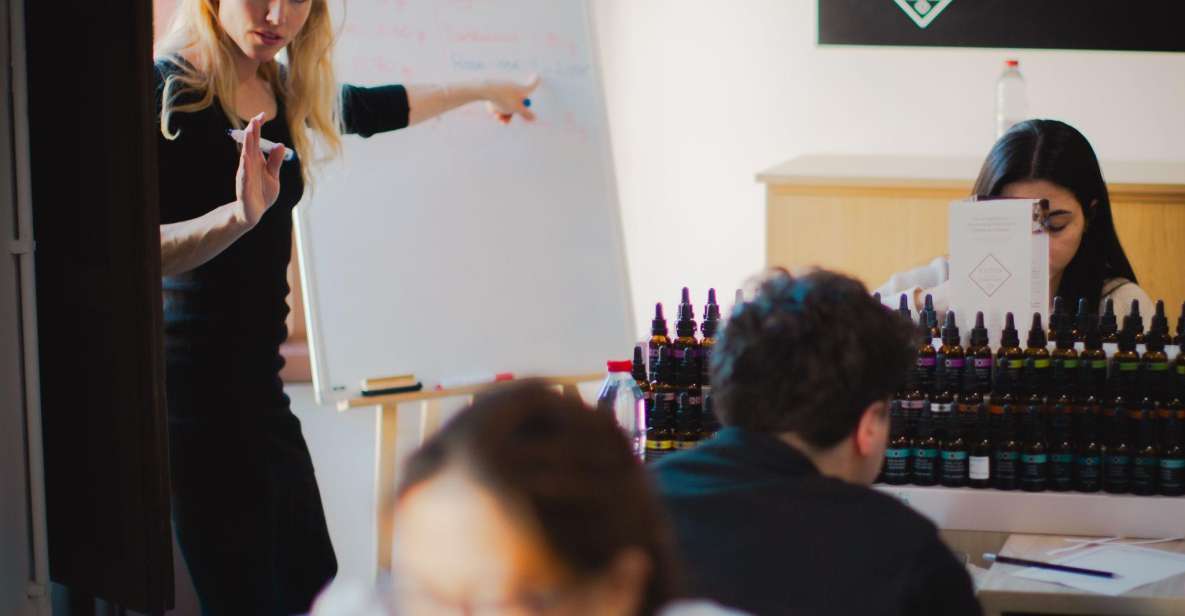
This is one of those experiences where the setting can quietly improve the whole day. The palace grounds are noted as stunning, and it’s smart to plan for that.
I’d treat the visit like part art stop, part class. When you arrive, take a breath. Look around the courtyard/patio area if time allows. Then, when the workshop begins, you’ll be mentally ready to focus.
Arrive early if you can. Or, if your schedule allows, stay a bit after. You’ll get more value from the location itself, not just the workbench portion.
What You Take Home: 50 ml of Your Own Wearable Fragrance
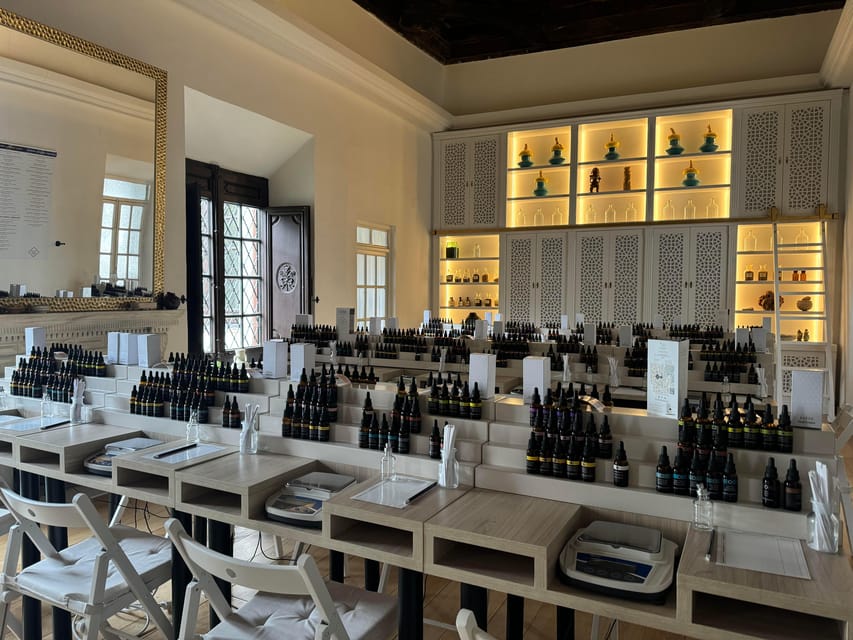
The takeaway is simple and valuable: you’ll make your own personalized perfume formula and take home 50 milliliters.
That size is key. It’s enough for real life. You’re not limited to sniffing it in your apartment or using it once for a special event. You’ll have enough to wear over time and notice how the scent shifts across days and seasons.
And you also leave with something intangible that’s hard to price: a better understanding of what you like in fragrance. Even if you don’t become a perfumer, you’ll likely shop differently afterward because you’ll recognize structure and categories instead of just going with a first impression.
The workshop also includes museum time, so the day isn’t just about taking. You get context, then you get to participate in the craft.
Price and Value: Is $77 Fair for 2 Hours in Granada?
At $77 per person for about 2 hours, this isn’t a budget-only activity, but it also isn’t priced like a luxury tasting. The value comes from what’s included:
- Workshop with a perfumer and hands-on formula building
- Museum visit
- A drink of your choice
- A full 50 ml bottle you made during the session
If you’ve done perfume classes before, you know that the expensive part is the materials, the specialist time, and the finished product. Here, you’re getting access to rare oils and guided customization, then leaving with a wearable bottle. That combination usually makes the price feel more reasonable than “paying for a lesson but taking home nothing.”
Where it might feel less worth it is if you hate instructions or you only want a casual stroll. This is an active experience where your nose and hands both matter. If you want a passive cultural visit, you’d probably be happier with a self-guided museum route plus shopping time.
Who This Workshop Suits Best (And Who Should Pass)
This workshop is a strong fit for people who enjoy crafts and want to understand what they’re making. It’s also great for couples or friends who like shared activities that don’t feel like another restaurant reservation.
You’ll likely enjoy it if:
- you like learning through doing
- you enjoy scent categories and want a framework
- you want a gift that’s personal and wearable
- you want a calm, structured activity in Granada
It may not be the right choice if:
- you’re traveling with kids under 10 (it’s not suitable for them)
- you need wheelchair accessibility (it isn’t listed as wheelchair accessible)
- you’re looking for purely outdoor wandering or quick photos
Also, consider your personality. The workshop is described as approachable and fun, but it’s still a class. If you’re someone who struggles with guided settings, you might feel more comfortable with a different kind of tour.
Should You Book This Granada Perfume Workshop?
I’d book it if you want something memorable that goes beyond “we smelled something nice and bought a bottle.” This workshop gives you a real base formula choice, raw material education, and a chance to craft a scent you’ll wear.
The rating is very high, and the repeated praise points to two things that matter most in a workshop: the guide’s skill and the overall feel of the session. Natalia is specifically mentioned as knowledgeable and fun, and the approach described sounds supportive without taking over your creativity. Even the shop team support is noted, including Claudia, which hints that the experience is organized and welcoming.
So here’s the decision rule I’d use: if you can see yourself using a fragrance at home, and you like hands-on learning, this is a solid use of time in Granada. If you only want a quick cultural stop, save your money for something less interactive.
FAQ
How long is the Granada perfume workshop experience?
The total experience is 2 hours.
Where is the meeting point?
The meeting point is Carrera del Darro, 5. You should notify of your arrival at the cashier.
What base formula options can I choose from?
You can choose a base formula from Cologne, Fougère, or Chypré.
What do I take home at the end?
You make a personalized fragrance and take home a 50 ml bottle made during the workshop.
Does the experience include anything besides the workshop?
Yes. It includes a visit to the museum and a drink of your choice.
What languages are available for the instructor?
The instructor offers the workshop in French, English, and Spanish.
Is it suitable for children and wheelchair users?
It is not suitable for children under 10 and it is not wheelchair accessible.