REVIEW · HISTORICAL TOURS
Water paths. Private adventure and history tour
Book on Viator →Operated by Andalucía 360 · Bookable on Viator
Granada’s water leaves clues everywhere. I love how this tour turns water paths into a simple way to understand the city, and I also like the small-group feel that keeps the walk personal. One thing to consider: you’ll be on slopes and uneven ground, so it’s not a great match if you want an easy stroll or need accessibility accommodations.
You’ll start at the Fuente del Paseo de los Tristes in the Albaicín and finish back where you meet, with a 6:00 pm start and about 3 hours of guided walking. The tone is active but not hardcore, mixing practical nature time with clear explanations of how Granada used water—long before modern plumbing.
In This Review
- Key Highlights: What Makes This Water-Paths Tour Worth Your Time
- Granada’s Waterways Tell the Real City Story
- Meeting at the Fuente del Paseo de los Tristes: Timing and the Walk Style
- Cuesta de los Chinos: Artificial Water and Granain Legends
- The Alhambra Edge: Understanding Eastern-Wall Water Supply
- La Silla del Moro: A Medieval Layout Lesson from the Top
- Cerro del Sol: The Adventure Highlight Through Ditches and Roads
- Fuente del Avellano: Myth, Fresh Shade, and the Romayla Ditch
- Price and Value: Is $109.90 Worth It?
- Guides, Pace, and What Professional Feels Like
- Weather, Shoes, and Who This Walk Fits Best
- Should You Book This Water-Paths Private Adventure and History Tour?
- FAQ
- How long is the water paths private adventure and history tour?
- Where does the tour meet, and when does it start?
- Is this a private tour?
- How much does it cost?
- What fitness level do I need?
- Is the tour suitable for children?
- Is it accessible for reduced mobility or for people with hearing or visual impairments?
- What kind of sights and stops are included?
- What if the weather is bad?
- Do I need to buy a ticket in advance?
Key Highlights: What Makes This Water-Paths Tour Worth Your Time
- Private, small-group touring means you can ask questions and keep a steady pace
- Real water infrastructure: fountains, pillars, ditches, springs, and waterfalls along public spots
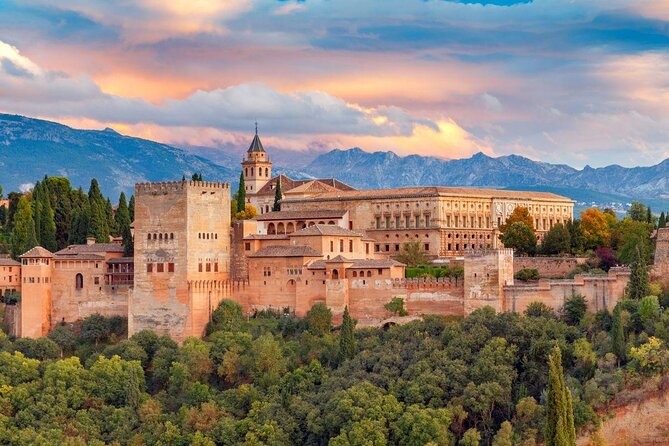
- Alhambra water context from the outside edge helps you picture the system without needing tickets to the grounds
- Cerro del Sol adventure includes winding roads and ditch paths plus a forest break between city and countryside
- Fuente del Avellano stop connects the walk to the idea of pure, healing water and year-round shade
Granada’s Waterways Tell the Real City Story
Granada has always run on water. Not in a dramatic, movie-trailer way—more like a quiet system of channels, springs, and carefully managed flows that shaped where people built, walked, worked, and gathered. What I like about this tour is that it doesn’t treat water as background. It treats it as the main character.
You’re guided along natural and built water routes, so you see the logic of how water was captured, redirected, and shared. Along the way you’ll notice the public touches—fountains and pillars—that still act like social hubs. It’s also the kind of tour where nature isn’t separate from history. Forest edges, shaded spots, and small runs of water sit right next to the city’s human planning.
The route is also designed to help you see Granada in layers. From the first slope you’re learning the setting, then the Alhambra area gives you a major historical reference point, and later the higher viewpoints and forest paths show how geography mattered.
You can also read our reviews of more private tours in Granada

Meeting at the Fuente del Paseo de los Tristes: Timing and the Walk Style
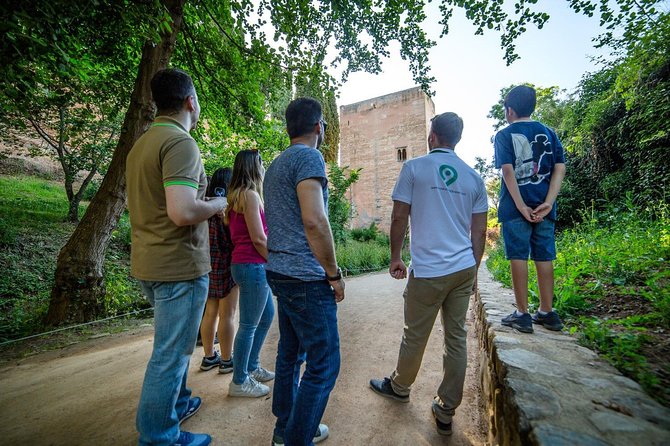
This one starts in the Albaicín at Fuente del Paseo de los Tristes, at 6:00 pm, and you return to the same meeting point. That timing matters because you get a cooler evening feel for walking in Granada’s hills, and you also get good light for viewpoints.
You should plan for about 3 hours of movement. The tour is described as moderate physical fitness, with sloping slopes and comfortable-shoe needs. The terrain includes ditches and a few less-traveled paths, so you’ll want sure footing rather than dress shoes.
It’s also a private tour/activity, meaning only your group participates. That matters for two reasons: you don’t have to weave through strangers, and the guide can keep the pace aligned with your group.
One more practical note: the tour isn’t recommended for people with reduced mobility or hearing or visual impairment. And it’s not recommended for children under 7 years, since the walk lasts 3 hours and includes uneven spots.
Cuesta de los Chinos: Artificial Water and Granain Legends
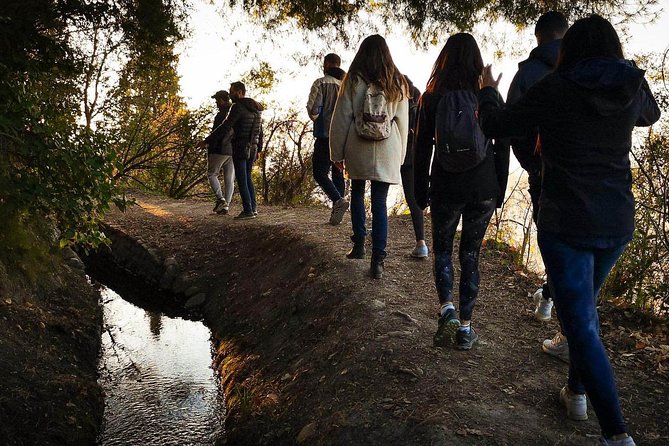
The walk opens with Cuesta de los Chinos, where you’ll follow a small artificial river. That’s a clever start. It trains your eyes right away: even when the water is engineered, it can still feel natural—especially when it runs alongside walkways and tree-lined edges.
This stop also leans into local storytelling. You’ll hear legends tied to Granada—specifically granainas—which gives the water a cultural meaning, not just a technical one. The effect is that you start paying attention to symbols and routes: where water goes, who benefits, and why these paths became part of daily life.
In terms of time, this segment is about 20 minutes, so it’s not a long lecture. It’s more like a guided orientation. You get the mood, then you move on before it becomes heavy.
If you prefer tours that are mostly outdoor time, this initial stretch is a good balance. If you prefer purely historical, it still gives you a historical hook without demanding background knowledge.
The Alhambra Edge: Understanding Eastern-Wall Water Supply
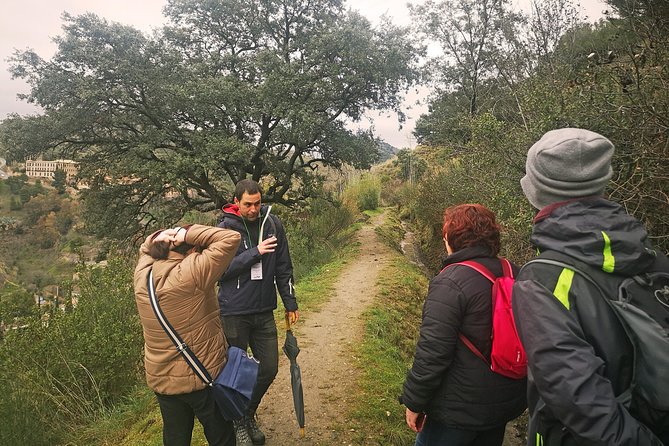
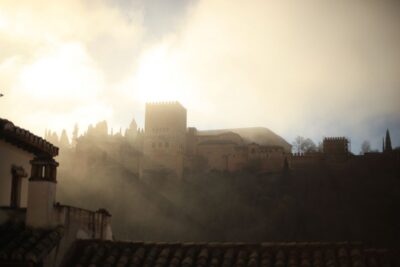
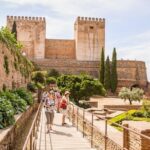
Next you border the eastern part of the Alhambra at the foot of its wall. The big value here is that you’re not only looking at the Alhambra as a landmark—you’re connecting it to the water system that helped make it work.
You’ll learn how the area was supplied with water and what the water was used for. That turns the Alhambra from a static photo subject into a functioning machine. You start understanding why certain features were placed where they were, and why water mattered for daily life and for the garden-and-courtyard feel Granada is famous for.
This is also a smart way to include major context without needing to access archaeological ruins or focus on interior tickets. The tour keeps you outdoors while still using the Alhambra as your historical anchor.
Expect about another 20 minutes here. It’s enough time to connect the dots, but not so long that the walk loses momentum.
La Silla del Moro: A Medieval Layout Lesson from the Top
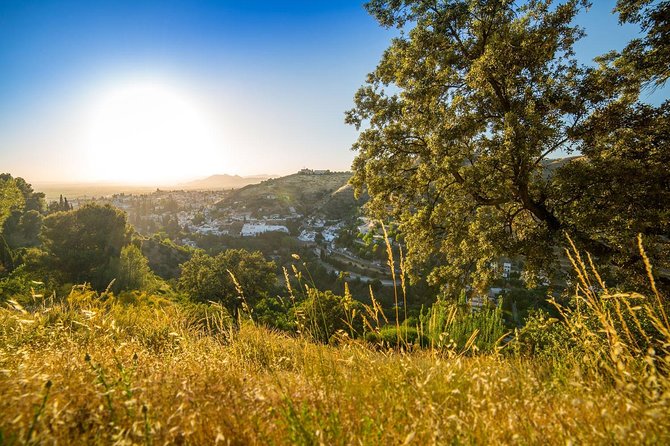
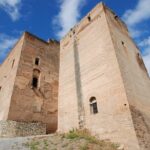
At La Silla del Moro, you reach a higher point for wide-open views. You don’t access the archaeological ruins, but you do get something more useful for many people: a guided look at the organization of space in medieval times and the infrastructure that supported it.
This stop is about 10 minutes, which is perfect for a viewpoint moment. You’ll look out across the city, then you’ll come back to the idea that geography and water planning went together. Higher ground didn’t just offer views—it helped manage routes, access, and movement.
One practical consideration: viewpoints can bring wind and cooler air in the evening. Bring a light layer even when Granada feels warm earlier in the day.
If your travel style is the kind where you like learning why places are shaped the way they are, this stop delivers. If you’re hunting for a long sightseeing pause, you may wish it lasted longer—but that’s part of why the total walk stays near 3 hours.
You can also read our reviews of more historical tours in Granada



Cerro del Sol: The Adventure Highlight Through Ditches and Roads
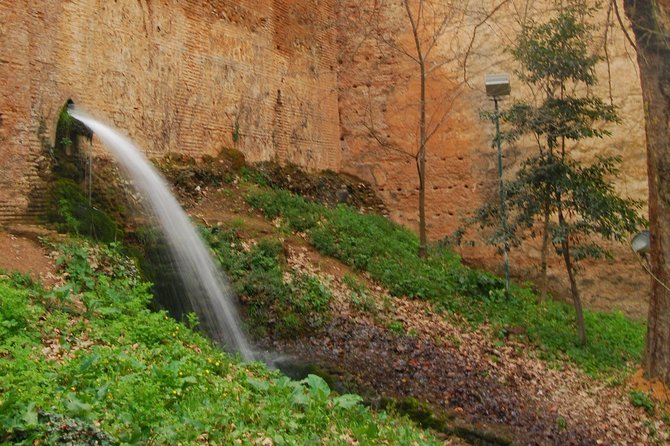
This is the tour’s highlight: Cerro del Sol. You’ll enter a labyrinth of roads and ditches, and then you’ll find a lush forest area that acts like a living bridge between countryside and city.
This is where the tour shifts from mostly informative to hands-on and sensory. You’re moving through changes in vegetation and light, following channels and cuts in the ground, so you can literally imagine water traveling through Granada’s older infrastructure.
The route description emphasizes the forest being a connector—city life on one side, open natural areas on the other. Even without getting too technical, you can feel the change in air and sound as you walk beneath trees.
Plan for about 30 minutes here. This is also where good footwear pays off, since ditch paths and uneven surfaces require you to pay attention.
If you’re the type of traveler who likes a little effort for a real payoff, this stop is your moment.
Fuente del Avellano: Myth, Fresh Shade, and the Romayla Ditch
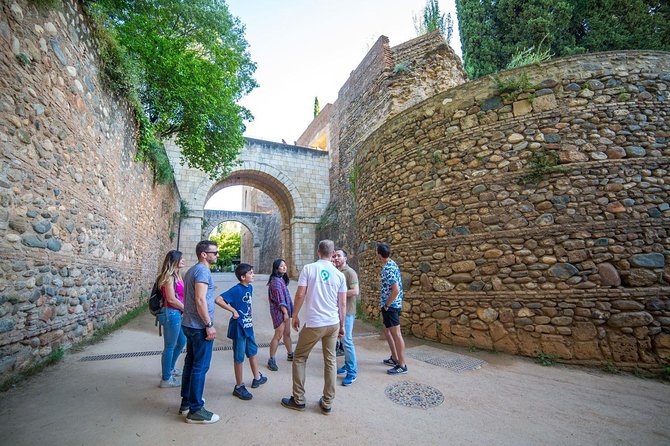
Then comes Fuente del Avellano, described as a mythical source of pure and healing waters. I like when tours connect water to both myth and function. It keeps the experience human. People have always used water not only to survive but to explain the world and mark special places.
After that, you continue in a natural, green area that stays fresh and shaded all year. That matters because it changes what you experience on the walk. You go from built water routes to a spot that feels like it could be part of a small refuge, even inside a big city.
You’ll also walk along the ditch of Romayla. Ditches are practical—less glamorous than fountains, but essential. This segment helps you understand water routes as systems, not single moments.
This part is shorter—about 10 minutes—but it works well as a close to the main story. You end with a mix of meaning (myth and healing) and structure (a ditch you can follow and visualize).
Price and Value: Is $109.90 Worth It?
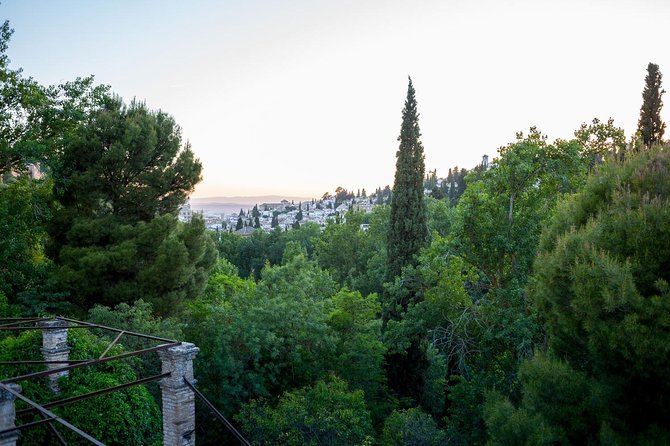
At $109.90 per person for about 3 hours, this isn’t a budget walk. But it’s also not priced like a big coach tour. You’re paying for a private guided experience with focused route planning, plus the guide’s time to interpret water systems across several key points in Granada.
A couple value signals matter here:
- Small group contact: you’re not just another face in a crowd
- Specialized historical framing: water supply and usage aren’t random facts; they connect each stop
- Public-access route design: you’re seeing multiple water sites without requiring you to spend your day inside ticketed attractions
- Mobile ticket convenience, which is helpful for simple check-in and reduces friction
One more planning detail: this is often booked around 17 days in advance on average. If you want a specific date, don’t leave it for the last week.
If you’re traveling with a friend or small group, the private feel can become a stronger deal than it looks at first glance—especially if you like learning from a guide rather than collecting sights on your own.
Guides, Pace, and What Professional Feels Like
The guides bring energy that’s part storytelling and part field guide. I especially like that the tone feels professional and organized—without making the walk stiff. People mention punctuality and logistics, and that shows in how the experience is structured around short stops plus movement.
In the guide lineup, names like Jose come up for strong historical explanation, and Mikael for keeping everything running smoothly. Even if you don’t meet either person, the point is clear: this tour is built for clarity, not chaos.
Pace-wise, it’s described as not difficult overall, but still instructive. You’re walking enough to feel like you did something real, then you get your historical and environmental context as you go. That balance is exactly what I look for in evening tours.
Weather, Shoes, and Who This Walk Fits Best
This experience requires good weather. If the weather doesn’t cooperate, you’ll be offered a different date or a full refund. Because of that, I’d check the forecast the day before and be ready to adjust plans if rain or poor conditions hit.
Bring comfortable shoes. You’ll cross sloping slopes, and the walk includes roads, ditches, and path sections that won’t feel like a flat promenade.
In terms of fit:
- Great for adults with moderate fitness
- Better for travelers who enjoy outdoor walking and a bit of navigation through natural and semi-natural terrain
- Not a good match if you need reduced mobility accessibility or specific support for hearing or visual impairments
- Not recommended for kids under 7, given the duration and uneven sections
If you tend to get tired quickly on hills, you might prefer a shorter, flatter option in Granada. But if you can handle an evening walk with some uneven moments, you’ll likely enjoy it.
Should You Book This Water-Paths Private Adventure and History Tour?
Book it if you want Granada to make sense. This is the rare tour where you’re not just sightseeing—you’re learning how water shaped the city’s decisions, from the Alhambra area to higher medieval viewpoints and down through shaded natural paths.
Skip it if you’re looking for a fully accessible, low-impact walk or you need a tour that’s mostly seated. And if you hate uneven ground, the ditch-and-road portions of Cerro del Sol could be a dealbreaker.
For the right traveler, this is a smart use of an evening: you’ll get history tied to your feet, plus a nature break that feels real, not staged. If you like guides who keep things clear and organized, this is also the kind of experience that tends to deliver value beyond the price—because you’re leaving with a new way to read Granada.
FAQ
How long is the water paths private adventure and history tour?
It lasts about 3 hours.
Where does the tour meet, and when does it start?
The meeting point is Fuente del Paseo de los Tristes, Albaicín, 18010 Granada, Spain, and the start time is 6:00 pm.
Is this a private tour?
Yes. It’s a private tour/activity, and only your group participates.
How much does it cost?
The price is $109.90 per person.
What fitness level do I need?
You should have a moderate physical fitness level, and you should wear comfortable shoes because the route includes sloping areas.
Is the tour suitable for children?
It is not recommended for children under 7 years old because it lasts about 3 hours.
Is it accessible for reduced mobility or for people with hearing or visual impairments?
No. The route is not suitable for people with reduced mobility or for hearing or visual impairment.
What kind of sights and stops are included?
You’ll walk along natural or artificial waterways and visit public water fountains and pillars, including stops such as Cuesta de los Chinos, the eastern foot of the Alhambra area, La Silla del Moro, Cerro del Sol, and Fuente del Avellano.
What if the weather is bad?
The experience requires good weather. If it’s canceled due to poor weather, you’ll be offered a different date or a full refund.
Do I need to buy a ticket in advance?
You’ll receive confirmation at booking time, and the experience uses a mobile ticket.